







About Atherosclerotic CVD
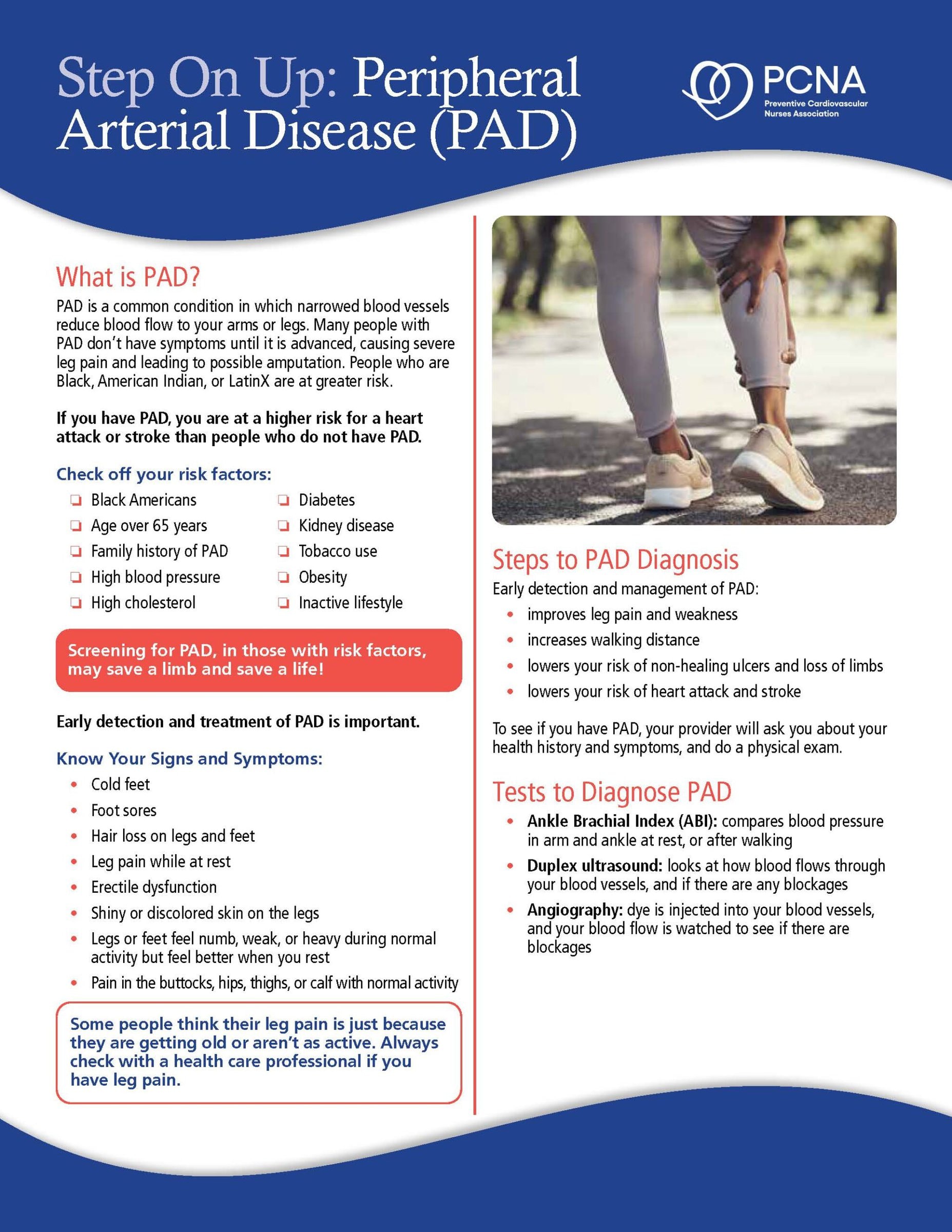
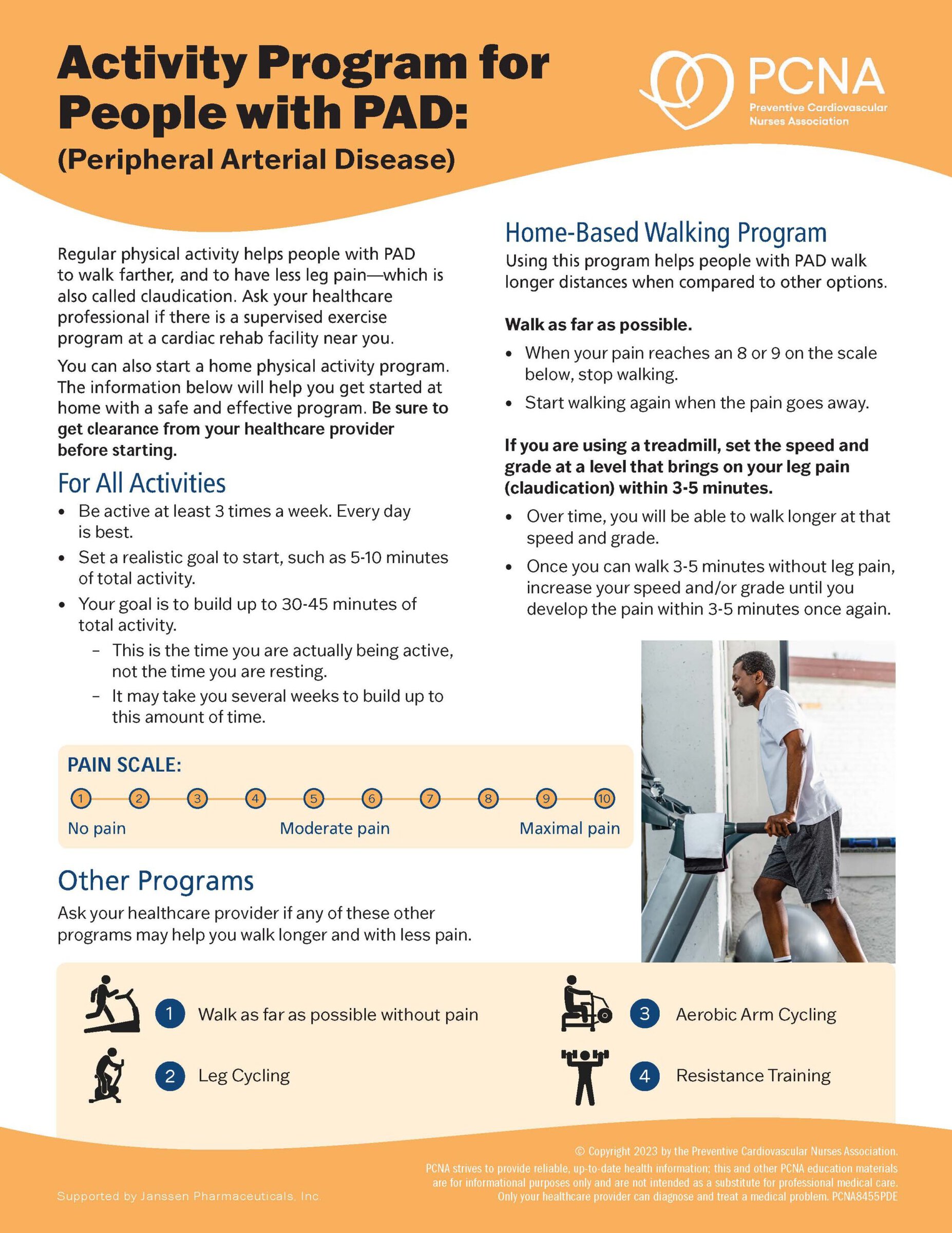
ASCVD (atherosclerotic cardiovascular disease) is caused by a buildup of plaque on the arterial walls, which narrows the arteries and raises the risk of heart attack, stroke, and peripheral artery disease.
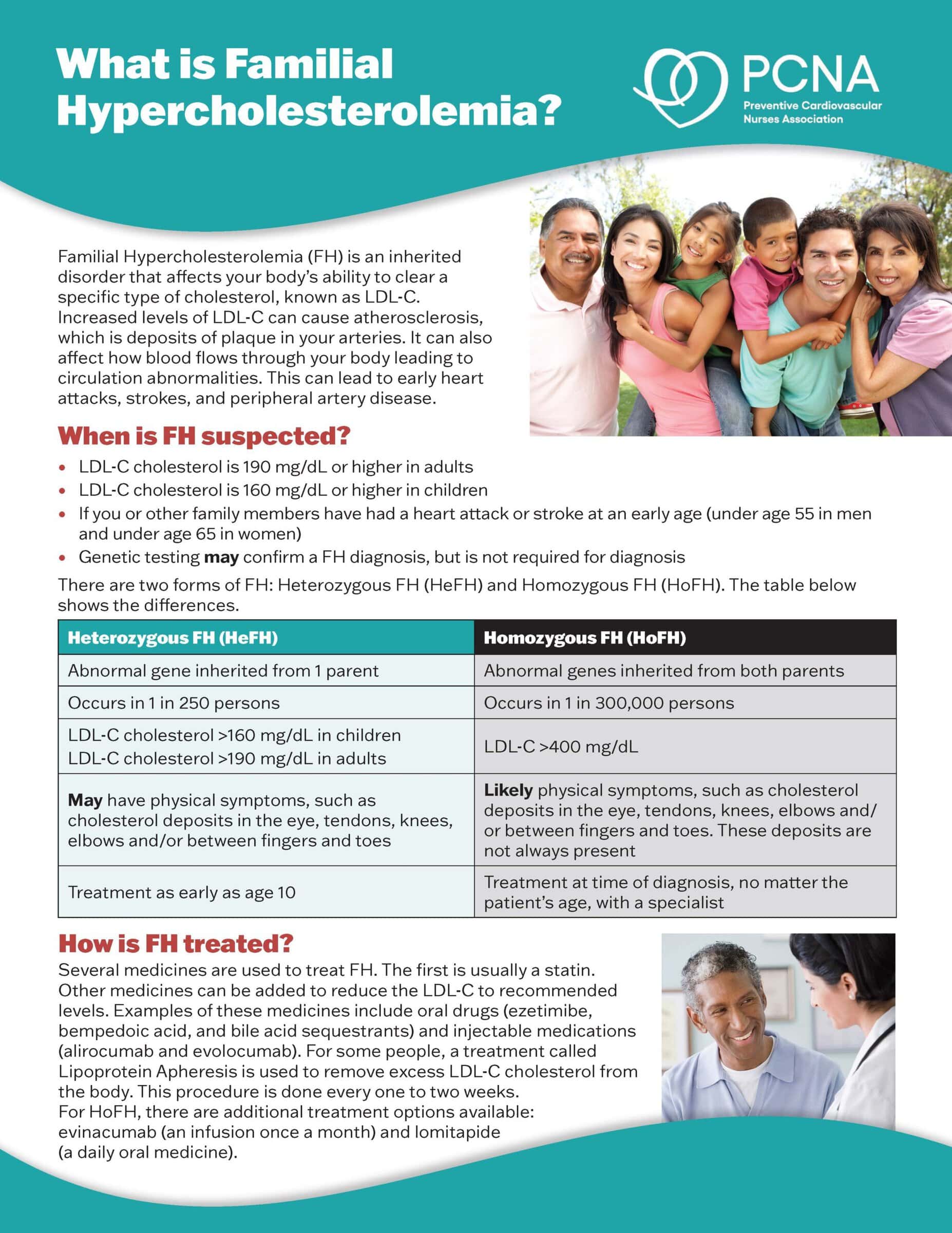
It is estimated that nearly 127 million Americans are living with one or more forms of cardiovascular disease, and nearly 29% of American adults have high low-density lipoprotein cholesterol (LDL-C) levels. Elevated LDL-C is well understood to be directly associated with the development of atherosclerotic cardiovascular disease (ASCVD), leading to increased risk for heart attack, stroke, and peripheral artery disease. Despite advances in the pharmacologic treatment of dyslipidemia, hypercholesterolemia remains a significant public health problem in the U.S.
A significant portion of the population, including those considered high-risk, are receiving suboptimal or no treatment to lower their cholesterol. On top of this barrier, specific populations are faced with even worse treatment rates, including factors such as gender, race/ethnicity, and access to health insurance. New multi-society treatment guidelines and recommendations were released in 2026 calling for earlier treatment to reduce lifelong risk of atherosclerosis, and nurses are poised to support patients in improving ASCVD-related outcomes.
Resources
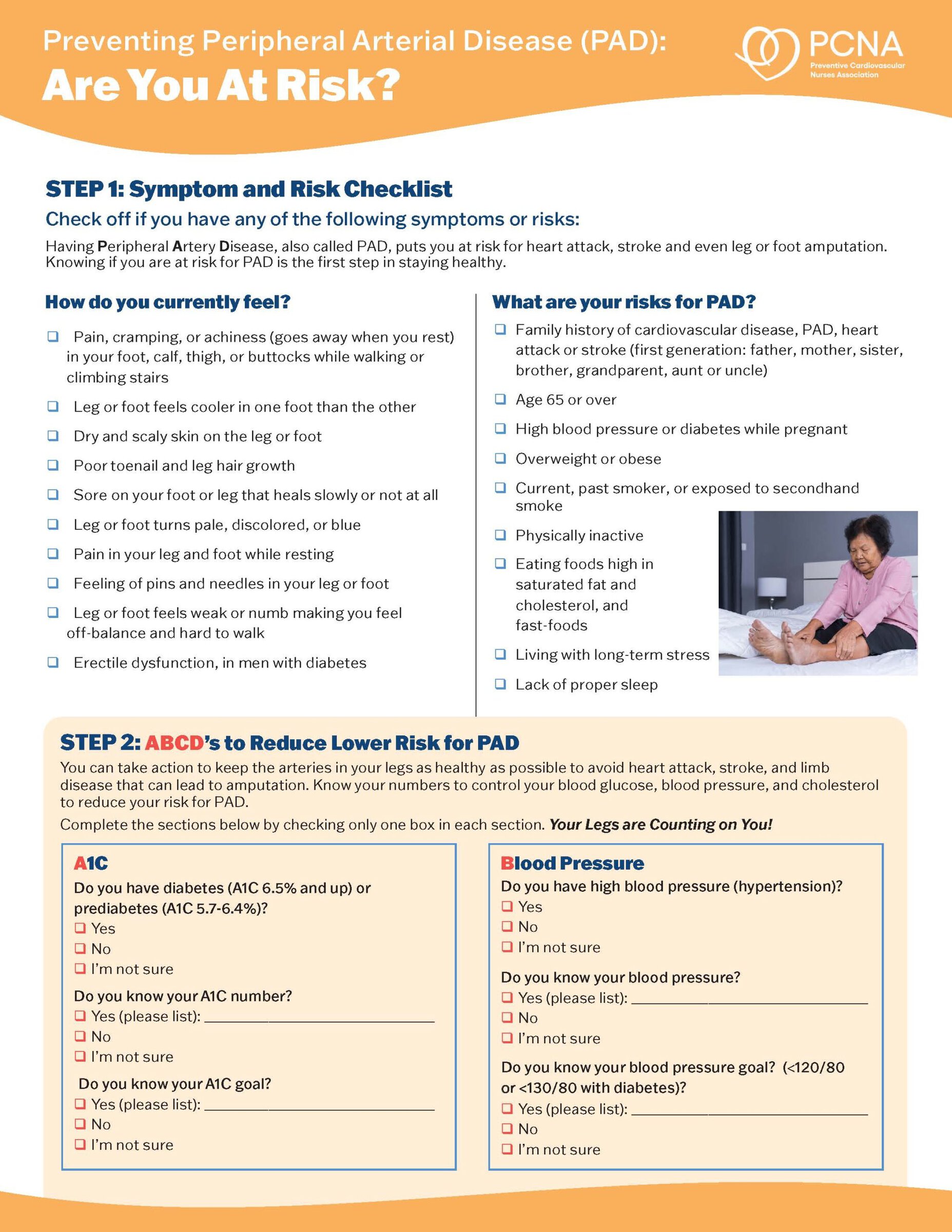


Risk Assessment Tool to Use with Patients
Courses
0.75 CE contact hours
0 Pharmacology contact hours
Free
0 CE contact hours
0 Pharmacology contact hours
Free
0.75 CE contact hours
0.75 Pharmacology contact hours
Free
0.65 CE contact hours
0.25 Pharmacology contact hours
Free
1.0 CE contact hours
0 Pharmacology contact hours
Free
News
Lipoprotein(a) Links to CVD Risk
December 15, 2025
September Cardio Connections Summit Recap
October 27, 2025
Wellens’ Syndrome: Hidden in Plain Sight
August 14, 2025
Podcast Episodes
Atherosclerotic Cardiovascular Disease (ASCVD), Heart Failure
Mental Health and Cardiovascular Disease
Atherosclerotic Cardiovascular Disease (ASCVD), Diabetes
Understanding and Reducing Cardiovascular and Cardiometabolic Risks
Atherosclerotic Cardiovascular Disease (ASCVD), Diabetes
Novel Diabetes Therapies in CVD Risk Reduction
