







About
Acute Coronary Syndrome
Acute Coronary Syndrome (ACS) is a critical and life-threatening condition that demands timely intervention and skilled nursing care. It encompasses a spectrum of conditions, including unstable angina, non-ST-segment elevation myocardial infarction (NSTEMI), and ST-segment elevation myocardial infarction (STEMI), all resulting from a sudden reduction in blood flow to the heart muscle. Nurses play a pivotal role in recognizing, managing, and preventing complications of ACS, making our contributions integral to improving patient outcomes.
Risk factors such as hypertension, diabetes, hyperlipidemia, smoking, and obesity increase the likelihood of plaque rupture and thrombus formation, leading to ACS.
Nurses are often the first point of contact for ACS patients with symptom recognition, risk stratification, and initiation of immediate treatment. Beyond acute management, nurses contribute to long-term patient care by promoting lifestyle modifications, ensuring medication adherence, and providing education on reducing recurrent events.
Resources

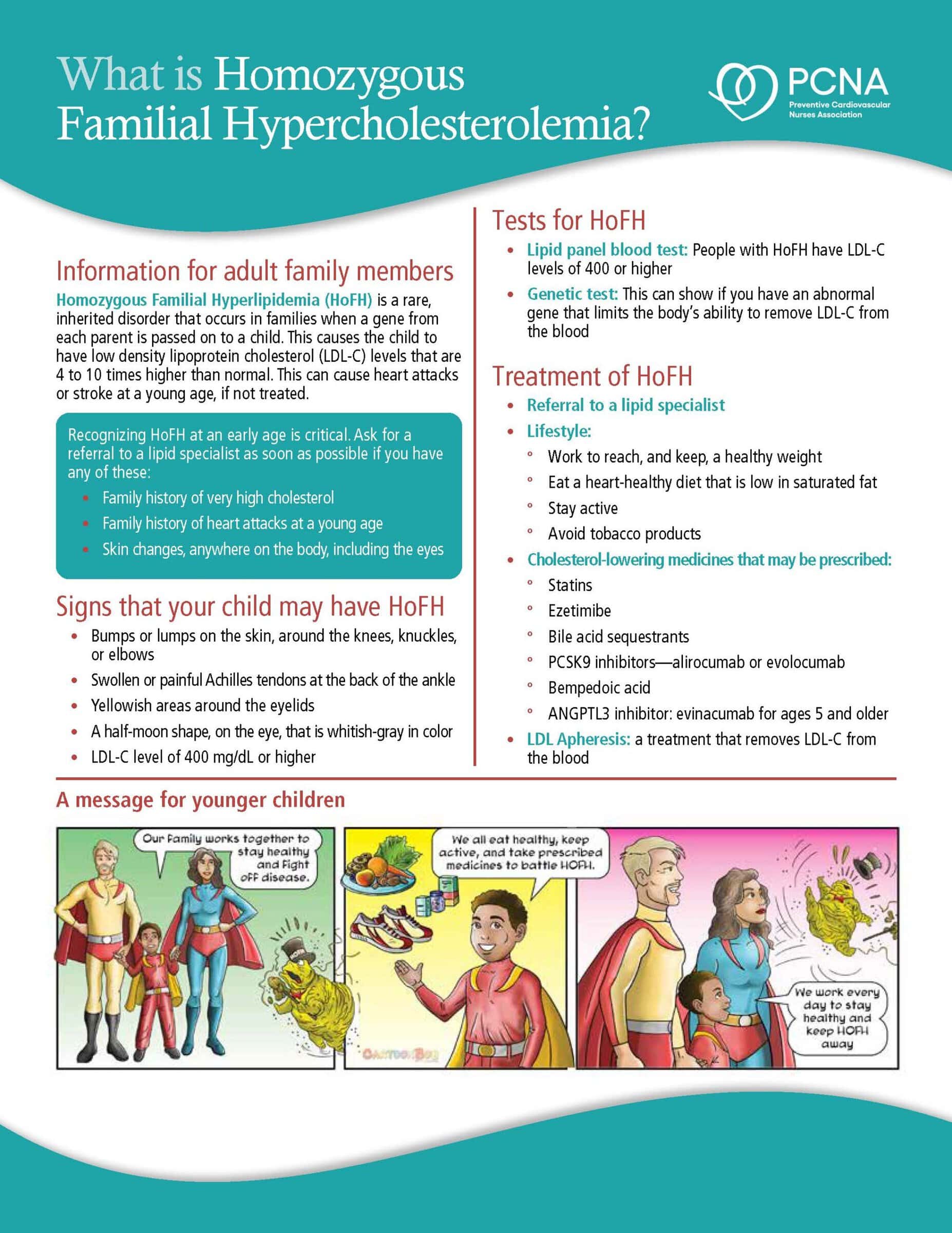
Patient Education Handouts
What is Homozygous Familial Hypercholesterolemia? Fact Sheet
May 11, 2026
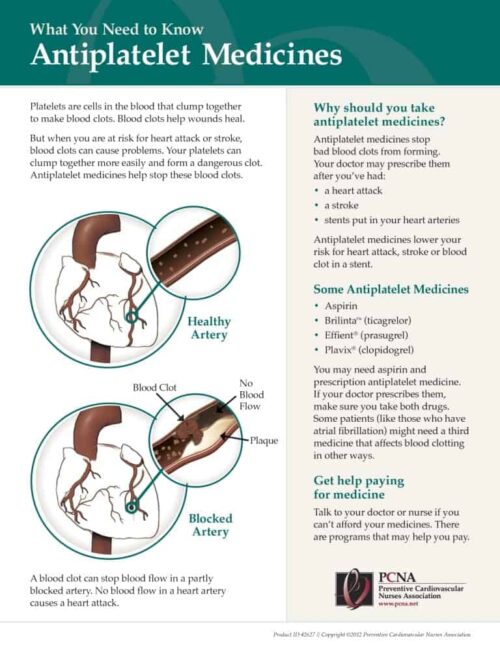
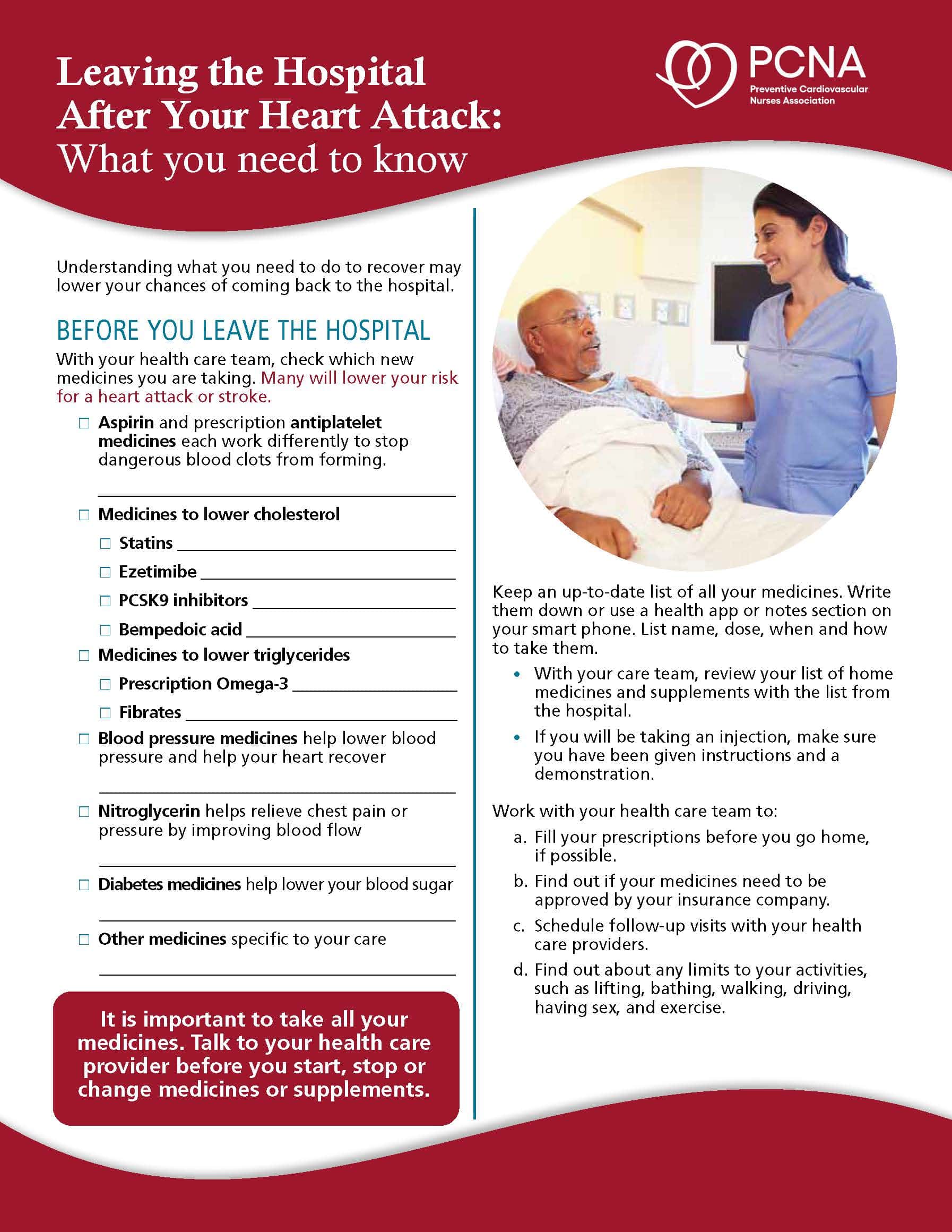


Courses
0.75 CE contact hours
0 Pharmacology contact hours
Free
0.85 CE contact hours
0.85 Pharmacology contact hours
Free
12.55 CE contact hours
4.25 Pharmacology contact hours
Free
0.5 CE contact hours
0 Pharmacology contact hours
Free
News
SCAD Implications for Cardiovascular Nursing Practice
November 10, 2026
Bridging the Gender Gap in Cardiac Rehabilitation
March 11, 2026
Wellens’ Syndrome: Hidden in Plain Sight
August 14, 2025
Podcast Episodes
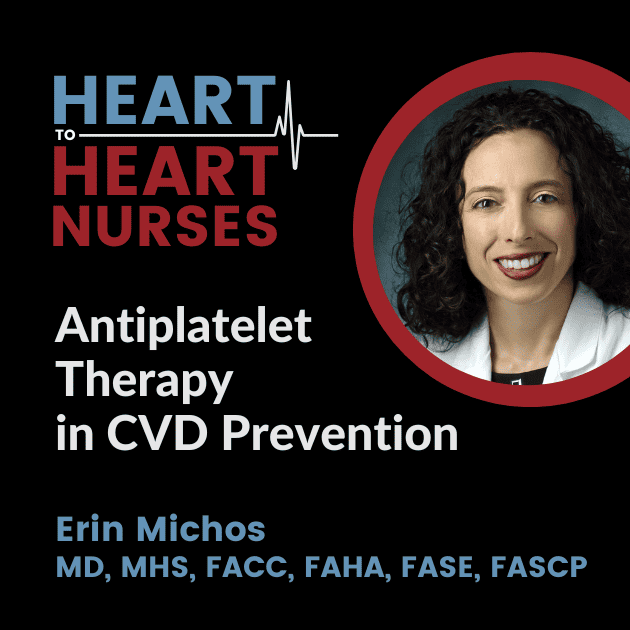
Acute Coronary Syndrome (ACS), Pharmacology
Antiplatelet Therapy in CVD Prevention
- « Previous
- 1
- 2
