





Spontaneous Coronary Artery Dissection (SCAD) is a non-atherosclerotic, nontraumatic separation of the coronary arterial wall that can lead to acute coronary syndrome (ACS). Unlike atherosclerotic ACS, SCAD results from an intimal tear or spontaneous hematoma within the coronary artery wall, leading to compression of the lumen and myocardial ischemia.
Fibromuscular dysplasia (FMD) is a non-atherosclerotic disease of medium- and small-sized arteries. It is present, according to some studies, in 25-86% of patients with SCAD. While there is data to suggest that FMD may predispose patients to SCAD, a clear-cut correlation has not been established due to conflicting reports in the literature.4 Hormonal influences, connective tissue disorders, intense emotional stress, and pregnancy-related vascular changes may also serve as risk factors.4 Recognition of these risk patterns is critical for nursing assessment and patient counseling.
Once considered rare, SCAD is now recognized as an important cause of myocardial infarction (MI), particularly among women younger than 50 years of age, and those without traditional cardiovascular risk factors.1,5 For cardiovascular nurses, understanding SCAD’s distinct pathophysiology, management strategies, and recovery considerations is essential to delivering safe, evidence-informed care.
Clinical Presentation and Diagnosis of SCAD
Patients with SCAD present with symptoms like traditional ACS, including chest pain, dyspnea, nausea, and diaphoresis.4 However, many lack cardiovascular risk factors, which may delay diagnosis. Nurses in emergency and acute care settings must maintain suspicion when younger or low-risk individuals present with ischemic symptoms. Coronary angiography is the diagnostic standard.1
Acute Management Considerations for SCAD
Management of SCAD differs significantly from atherosclerotic MI. In hemodynamically stable patients, conservative therapy is preferred because most dissections heal spontaneously.1,6 Percutaneous coronary intervention (PCI) may be required in unstable cases but carries risk due to vessel fragility.1
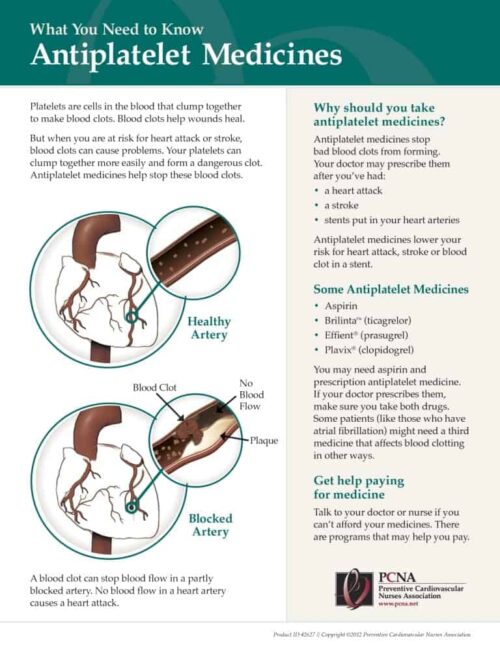
Medical management typically includes beta-blockers to reduce vessel stress. Emerging evidence suggests dual antiplatelet therapy may not confer the same benefit seen in plaque-related ACS and may be associated with adverse outcomes in some SCAD cases when compared with single antiplatelet therapy. Routine anticoagulation is generally avoided due to concern for worsening hematoma.5
Long-Term Management and Recurrence of SCAD
Recurrence rates range from approximately 10–20% during long-term follow-up.1 Cardiac rehabilitation improves functional capacity and quality of life, but patients should avoid high-intensity isometric exercise and heavy resistance training that increase arterial stress. Anxiety, depression, and post-traumatic stress symptoms are common and require proactive screening and referral.7
Implications for Nurses
- Nurses must advocate for thorough evaluation of chest pain in younger women and patients without traditional risk factors.
- They should provide clear explanations when management differs from typical ACS protocols. Patients may question why anticoagulation or prolonged dual antiplatelet therapy is not prescribed.
- Nurses should work to collaborate with cardiology, cardiac rehabilitation, obstetrics (when applicable), and behavioral health to support comprehensive care.2
- Nurses should also screen for anxiety and depression as emotional distress may affect adherence and quality of life.7
Patient Teaching Priorities for SCAD
- Understanding SCAD. Patients should be taught that SCAD is caused by a tear or bleeding within the artery wall rather than cholesterol plaque. This distinction reduces confusion and stigma.1
- Activity guidance. Avoid heavy lifting, intense straining, and extreme exertion. Participation in supervised cardiac rehabilitation is strongly recommended.7
- Blood pressure management. Strict blood pressure control reduces arterial stress. Teach proper home monitoring techniques and reinforce medication adherence.1
- Symptom awareness. Patients should seek prompt evaluation for recurrent chest pain or new concerning symptoms, as recurrence is possible.1
- Recurrence. Patients should be educated that SCAD can recur despite appropriate treatment. Reported recurrence rates range from approximately 10% to 30% over long-term follow-up, underscoring the importance of lifelong cardiology follow-up, blood pressure control, and prompt evaluation of recurrent chest pain.2
- Pregnancy counseling. Women of childbearing age should receive multidisciplinary consultation before future pregnancies due to increased risk in pregnancy-associated SCAD.3
- Emotional support. Encourage engagement in support groups and mental health services when indicated as psychological healing is a critical component of overall recovery.7
- Psychological health. Anxiety, depression, and post-traumatic stress disorder (PTSD) are common following SCAD. Because many patients experience persistent fear of recurrence and psychological distress, routine screening for PTSD and other mental health conditions should be incorporated into follow-up care. Referral to cardiac rehabilitation and mental health professionals can improve quality of life and emotional recovery.7
SCAD is an increasingly recognized cause of ACS that requires specialized, patient-centered nursing care. From early recognition and acute management to rehabilitation and emotional support, cardiovascular nurses play an important role in improving outcomes for this distinct population. Ongoing education and interdisciplinary collaboration remain essential as research continues to evolve.1
Related Resources
References
- Yang C, Chai J, Saw J. Contemporary diagnosis and management of spontaneous coronary artery dissection. Heart. 2025;111(24):1184-1190. doi:10.1136/heartjnl-2024-324732.
- Hayes, S.N, et al. Spontaneous coronary artery dissection: current state of the science: A scientific statement from the American Heart Association. Circulation. 2018; 137(19): e523–e557.
- Eltabbakh A, Khudair A, Khudair A, Fredericks S. Spontaneous coronary artery dissection and fibromuscular dysplasia: insights into recent developments. Front Cardiovasc Med. 2024;11:1409278. doi:10.3389/fcvm.2024.1409278.
- Poon K, et al. Pregnancy-related spontaneous coronary artery dissection: a rare cause of acute coronary syndrome. BMC Cardiovasc Disord. 2023;23:323. doi:10.1186/s12872-023-03323-7.
- Park J, et al. Evaluating the efficacy of antiplatelet therapy in spontaneous coronary artery dissection: a scoping review. Cardiovasc Diagn Ther. 2025.
- Van Damme A, McDermott S, McMurtry S, et al. Secondary prevention and rehabilitation for spontaneous coronary artery dissection. Can J Cardiol. 2023;39(9):1234-1242. doi:10.1016/j.cjca.2023.05.011.
- Saw, J, et al. Spontaneous coronary artery dissection: Clinical outcomes and risk of recurrence. Journal of the American College of Cardiology. 2017; 70(9):1148–1158.

EdD, MSN, MHA, RN
Related Resources