






About
Diagnostics and Devices
The advancements in medical treatment devices have revolutionized the diagnosis and management of cardiovascular disease (CVD), offering hope and improved outcomes for millions of patients worldwide. These devices play a critical role in detecting, monitoring, and treating a wide range of cardiovascular conditions, from arrhythmias and heart failure to coronary artery disease and structural abnormalities. As nurses, understanding these devices and their applications is essential to providing safe, effective, and holistic care to patients with CVD.
Nurses play a pivotal role in managing these devices, including patient education, monitoring for complications, and ensuring adherence to follow-up care. In this rapidly evolving field, the expertise and compassion of nurses remain central to the successful integration of medical devices into comprehensive cardiovascular care.
Resources
Courses
0.85 CE contact hours
0 Pharmacology contact hours
Free
0.75 CE contact hours
0.25 Pharmacology contact hours
Free
0.75 CE contact hours
0.75 Pharmacology contact hours
Free
- « Previous
- 1
- 2
- 3
News
Using Heart Rate Variability Measurements
July 16, 2022
Heart Rate Variability Measurement
April 22, 2022
How Cardiac Rehab Can Improve Functional Capacity in Patients with LVAD
September 28, 2021
Podcast Episodes
Diagnostics and Devices, Structural Heart Disease
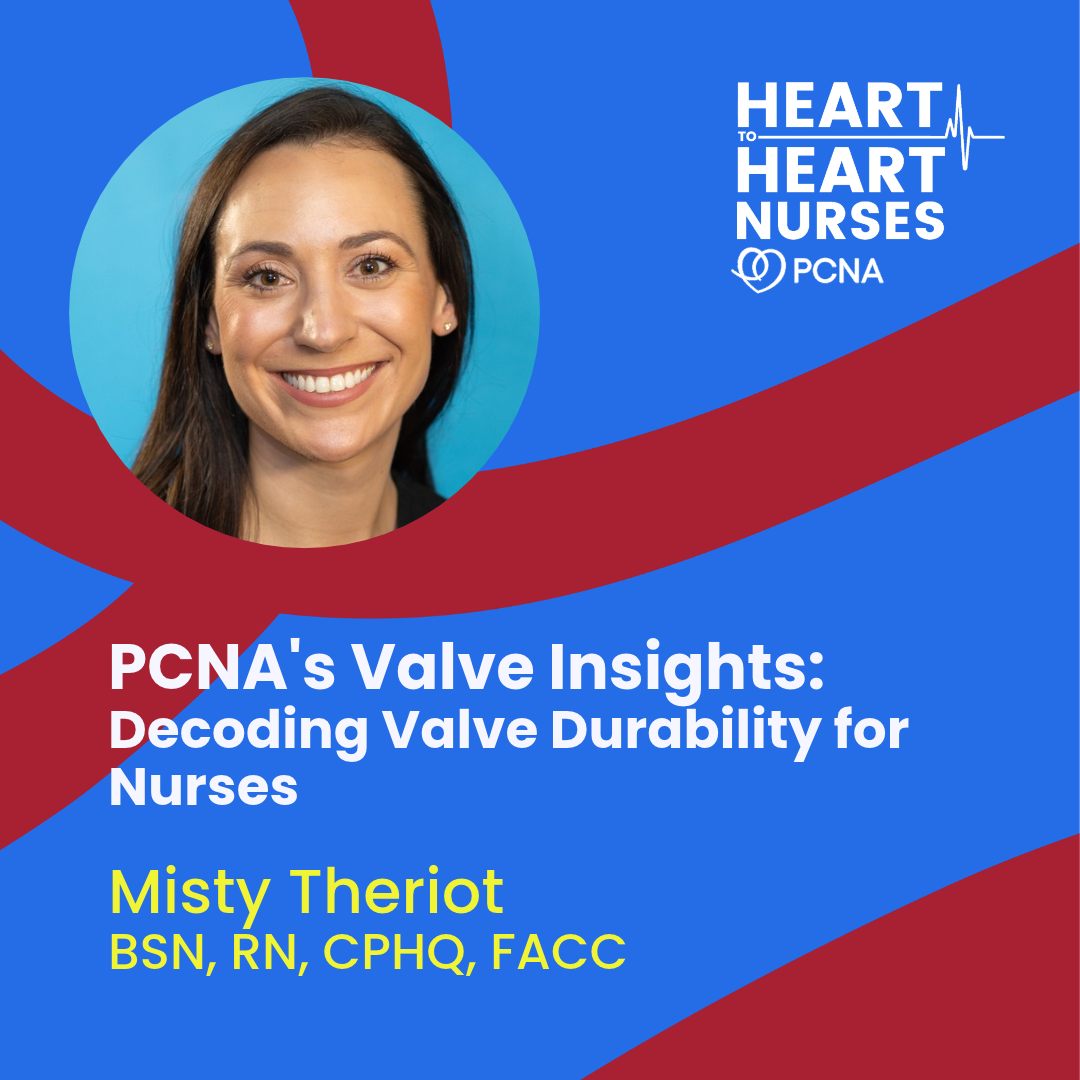
PCNA’s Valve Insights: Decoding Valve Durability for Nurses

Diagnostics and Devices, Lipid Management
The Role of Genetic Testing in Familial Hypercholesterolemia
Atrial Fibrillation, Diagnostics and Devices, Risk Assessment and Management, Stroke
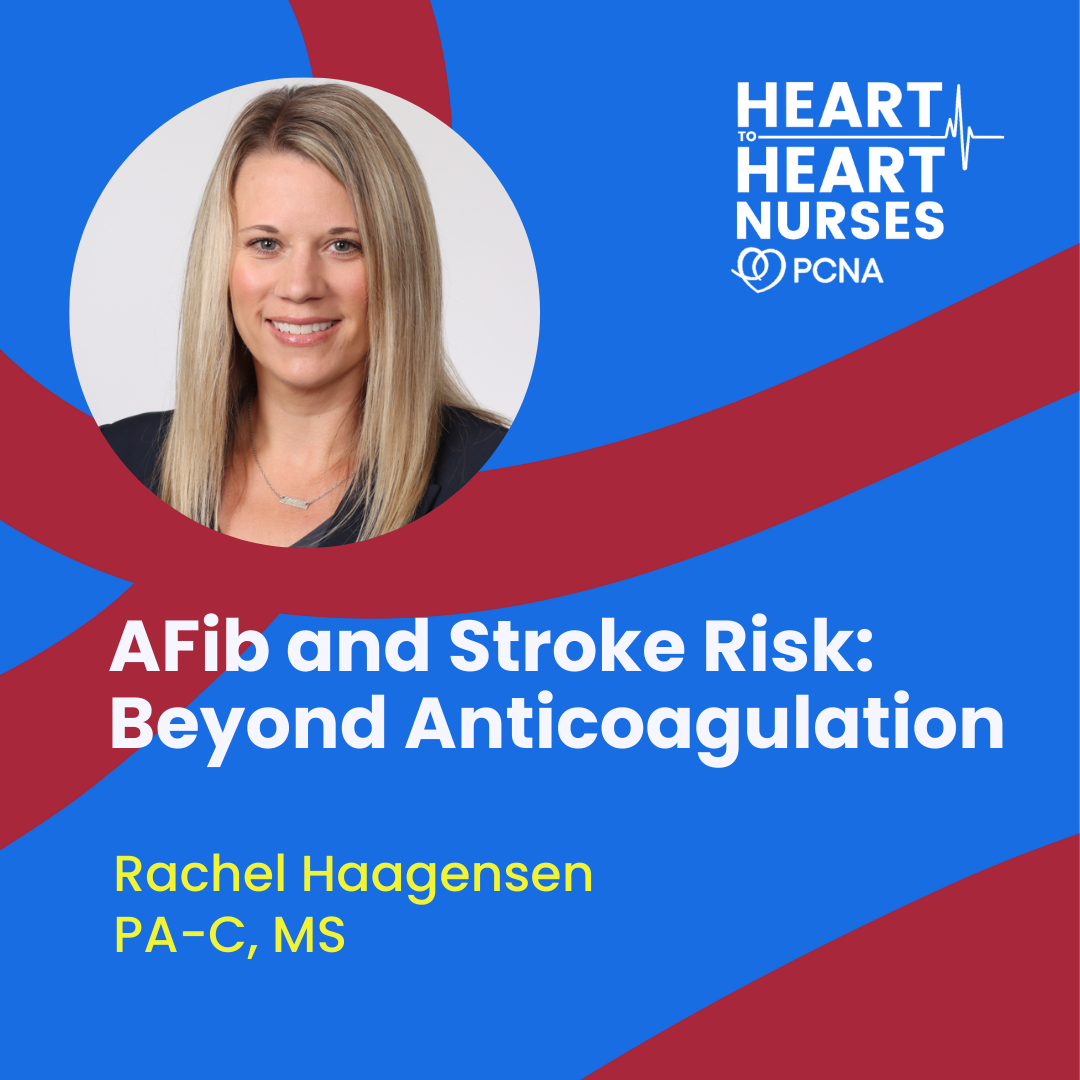
AFib and Stroke Risk: Beyond Anticoagulation
