







About
Atrial Fibrillation
Atrial fibrillation (AFib) is the most common sustained arrhythmia nurses encounter, and early detection, stroke-risk assessment, and guideline-directed management are central to reducing its complications. AFib carries a 1 in 4 lifetime risk after age 40. AFib symptoms include fatigue, dizziness, activity intolerance, shortness of breath, and inability to perform activities of daily living. The stagnation of blood increases the risk of thromboembolism and stroke.
A recent estimate found the number of individuals with AFib was over 33 million and is on the rise. Future projections predict at least five million new cases annually worldwide, with the prevalence in the US cases expected to reach up to 6.7 million by 2050.
AFib management is not a one-size-fits-all approach, and healthcare providers need to be informed to follow guideline-recommended treatments for patients with AFib.
Resources
Online Interactive Guides
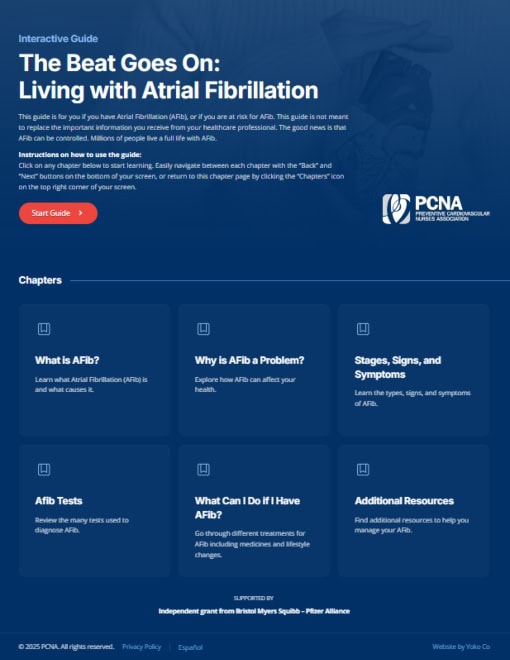
The Beat Goes On: Living with Atrial Fibrillation Online Interactive Patient Guide
December 11, 2024

Patient Education Handouts
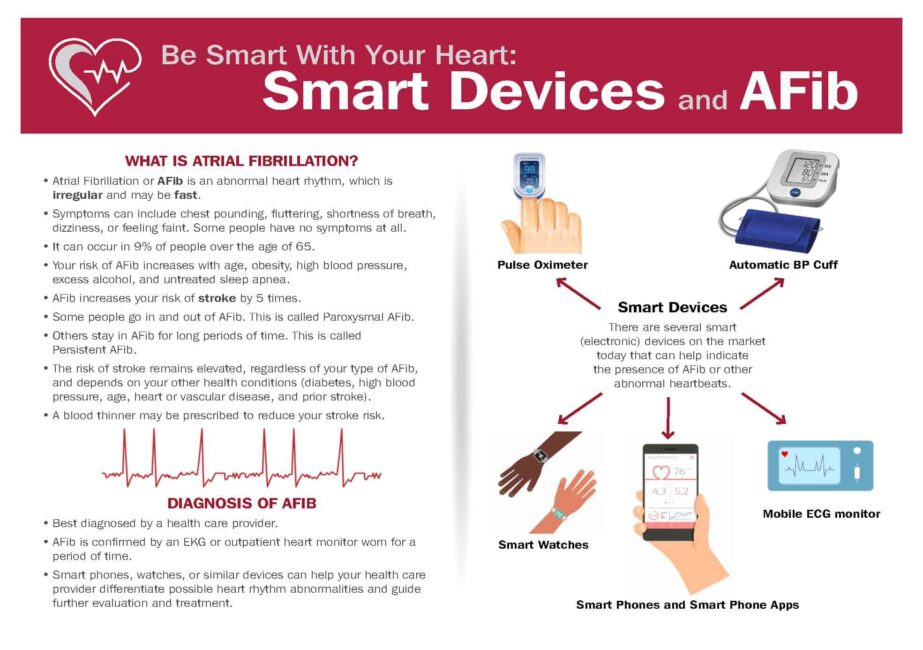
Be Smart With Your Heart: Smart Devices and Atrial Fibrillation
July 26, 2021
Courses
0.65 CE contact hours
0.4 Pharmacology contact hours
Free
0.65 CE contact hours
0.65 Pharmacology contact hours
Free
0.75 CE contact hours
0.75 Pharmacology contact hours
Free
News
8 Smart Mobile Apps and Gadgets for Heart Health
April 15, 2025
AFib: Rhythm, Rate, and Risk Reduction
July 02, 2024
Podcast Episodes
Atrial Fibrillation, Lifestyle and Behavior Change
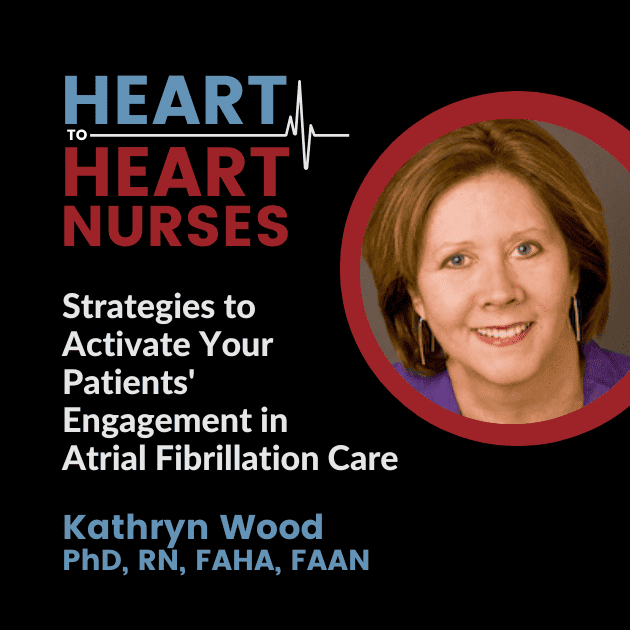
Strategies to Activate Your Patients’ Engagement in Atrial Fibrillation Care
Atrial Fibrillation
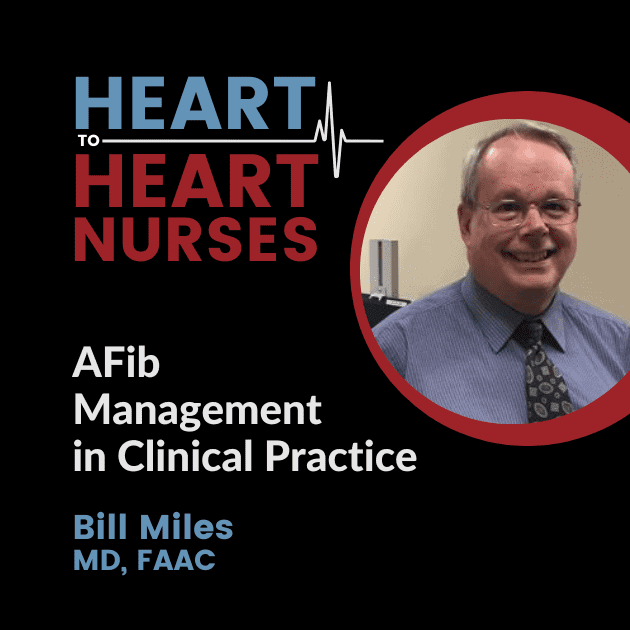
AFib Management in Clinical Practice
Atrial Fibrillation
- « Previous
- 1
- 2
- 3
