







About Lifestyle and Behavior Change
Lifestyle and behavior changes are among the most effective interventions for preventing and managing cardiovascular disease (CVD), the leading cause of death globally. Risk factors such as poor diet, physical inactivity, smoking, excessive alcohol consumption, and chronic stress significantly contribute to the development and progression of CVD.
Nurses play a pivotal role in encouraging and supporting patients to adopt healthier lifestyles, which can lead to substantial improvements in cardiovascular health and overall well-being.
Resources
Patient Education Handouts
Cardiovascular Risk Assessment – Heart Healthy Toolbox
September 02, 2025
- « Previous
- 1
- 2
- 3
- 4
- Next »
Courses
0.75 CE contact hours
0 Pharmacology contact hours
Free
0.8 CE contact hours
0.8 Pharmacology contact hours
Free
2.0 CE contact hours
0 Pharmacology contact hours
Free
0 CE contact hours
0 Pharmacology contact hours
Free
0.65 CE contact hours
0 Pharmacology contact hours
Free
0.8 CE contact hours
0.8 Pharmacology contact hours
Free
News
Bridging the Gender Gap in Cardiac Rehabilitation
March 11, 2026
Facts and Fictions: “The PURE Diet”
January 15, 2026
Podcast Episodes
Lifestyle and Behavior Change, Risk Assessment and Management
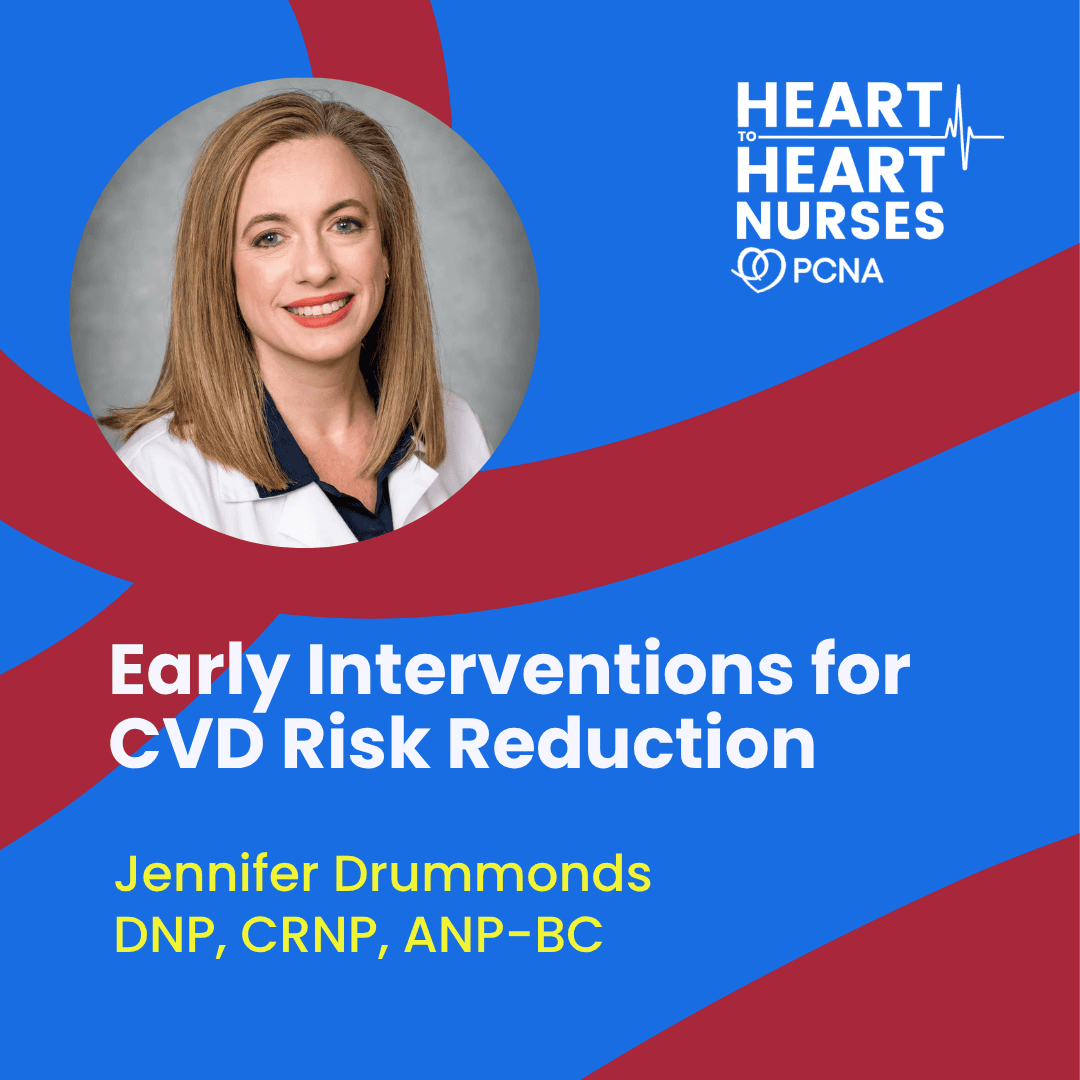
Early Interventions for CVD Risk Reduction

Lifestyle and Behavior Change
Lifestyle and Behavior Change
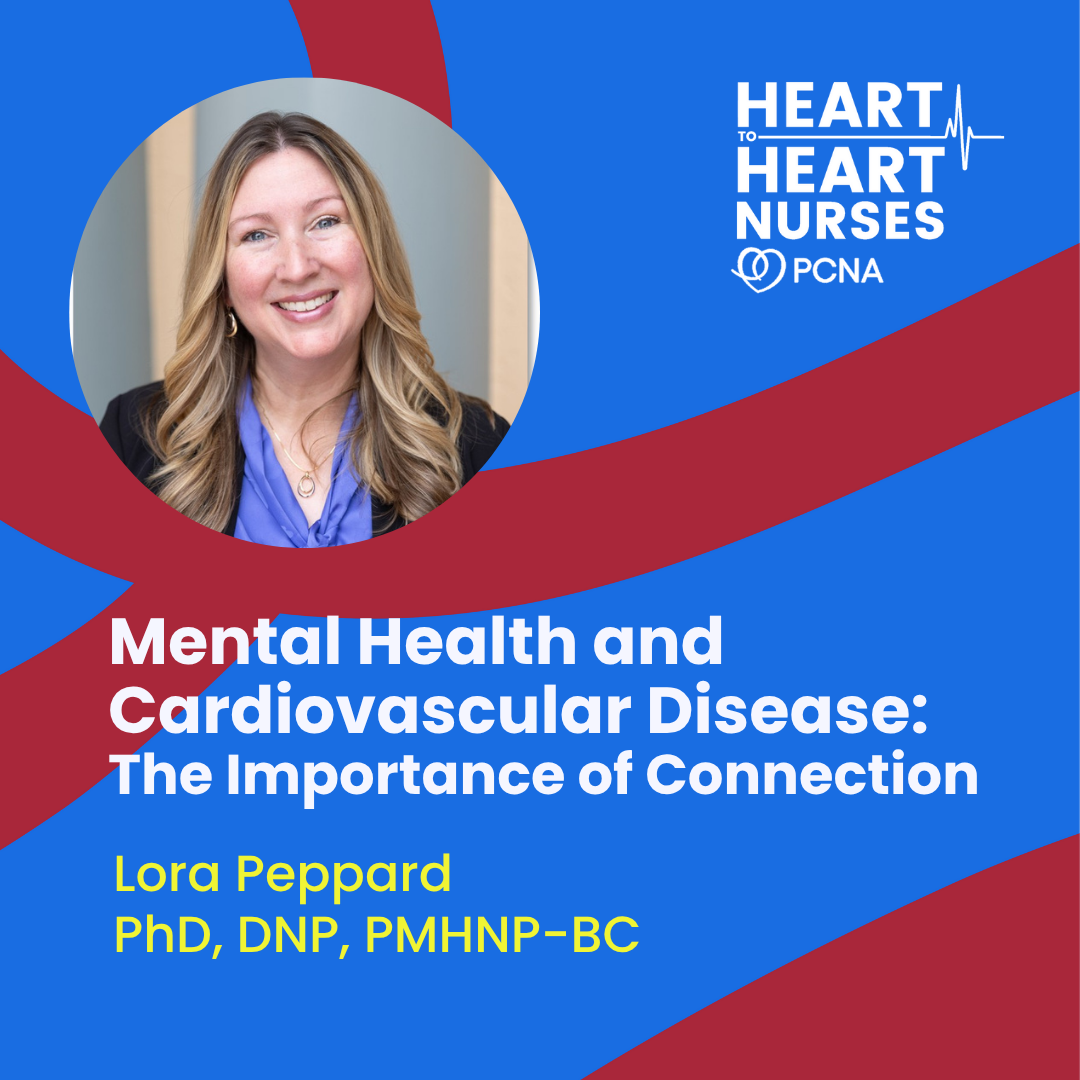
Mental Health and Cardiovascular Disease: The Importance of Connection
