





Understanding Blood Pressure
This page will help you find ways to prevent and treat high blood pressure, also known as hypertension. You will learn how to check your blood pressure (BP), live a healthy life, and understand your medicines.
Understanding Blood Pressure
Checking Your Blood Pressure At Home
Exercise and Blood Pressure
Salt and Blood Pressure
Common Medicines for Blood Pressure
Make A Change
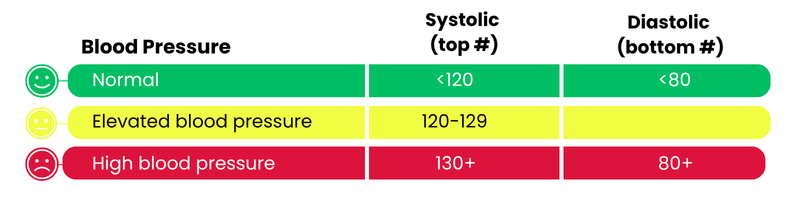
What Do Your Blood Pressure Numbers Mean?
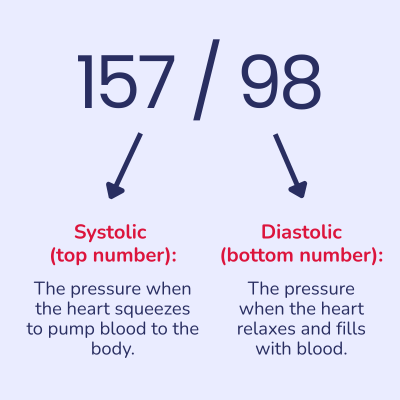
Your blood pressure reading has 2 numbers. The top number is called systolic blood pressure. It is the pressure when the heart squeezes to pump blood to the rest of the body. The second, or bottom number, is known as diastolic blood pressure. It occurs when the heart relaxes.
What Is High Blood Pressure?
Your blood pressure is a measurement of how much force it takes to move blood through your body. When the force is regularly too high, it is called high blood pressure, or hypertension.
Nearly half of adults in the United States have high blood pressure. Checking your blood pressure is the best way to know if you have high blood pressure.
High blood pressure is known as the “silent killer” because you may not feel any symptoms, but it is affecting your entire body. It can damage your blood vessels and cause severe health issues like heart disease, stroke, kidney disease, and other issues.
How Does High Blood Pressure Affect Your Body?
- Your Blood Vessels - High blood pressure may damage your blood vessels, causing them to tear. This allows cholesterol to build up and clog the vessels. This makes it harder for blood and oxygen to get to your body
- Your Brain - High blood pressure hurts your brain and increases your risk for stroke (brain attack), memory problems, and trouble thinking.
- Your Heart - High blood pressure hurts both your heart and blood vessels and increases your risk for heart attack. High blood pressure causes your heart muscle to work harder. Over time, the strain can lead to heart failure.
- Your Kidneys - High blood pressure hurts your kidneys and increases your risk for kidney disease and kidney failure.
- Your Vision - High blood pressure can damage the blood vessels in your eyes, which can make your vision worse.
Learn More
Explore these topics further to learn more about blood pressure.
Checking Your Blood Pressure At Home
Exercise and Blood Pressure
Salt and Blood Pressure
Common Medicines for Blood Pressure
Make a Change
Checking Your Blood Pressure at Home
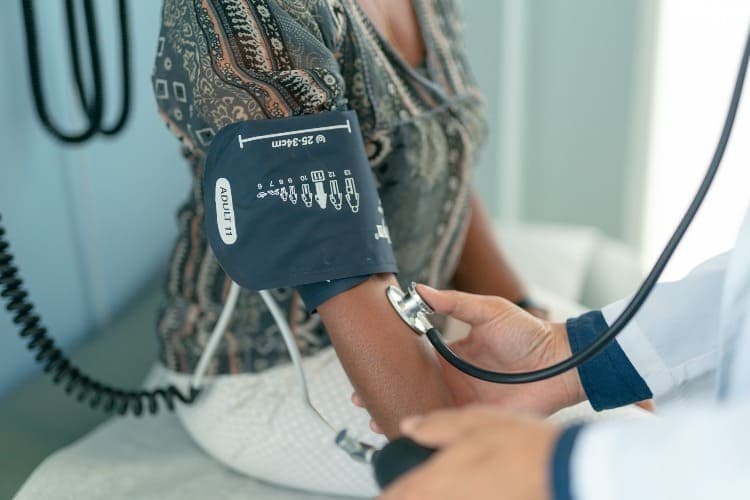
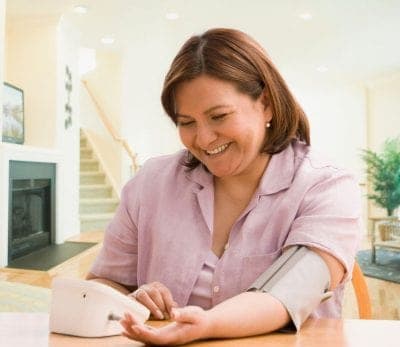
Checking your blood pressure at home will help your healthcare professional know if your numbers are normal or high. Blood pressure is measured in millimeters of mercury, which is written as mmHg
Important Note: Blood pressure numbers are often lower at home than in the clinic. Normal blood pressure is when:
- Top number (systolic) is less than 120
- Bottom number (diastolic) is less than 80.
Choose A Blood Pressure Monitor
- Choose a good home blood pressure device by asking your healthcare professional for advice. Find a list of approved devices at validatebp.org.
- Blood pressure devices can be purchased at convenience stores and local pharmacies. You may be able to use insurance to pay for at least part of it.
- Bring your device to your next appointment so your healthcare professional can check the measurement.
- To find the cuff size that is right for you, measure the size of your upper arm with a tape measure.
- If you do not have a tape measure, you can use a piece of string or ribbon to measure around your arm, then compare the length of the string or ribbon to a ruler to see what size cuff you need.
- You can also print out a paper measuring tape (PDF).
Printable Measuring Tape
To find the cuff size that is right for you, measure the size of your upper arm with a tape measure.
Before Taking a Reading
- Wait for 30 minutes after exercising, smoking, or drinking caffeine or alcohol.
- Go to the bathroom.
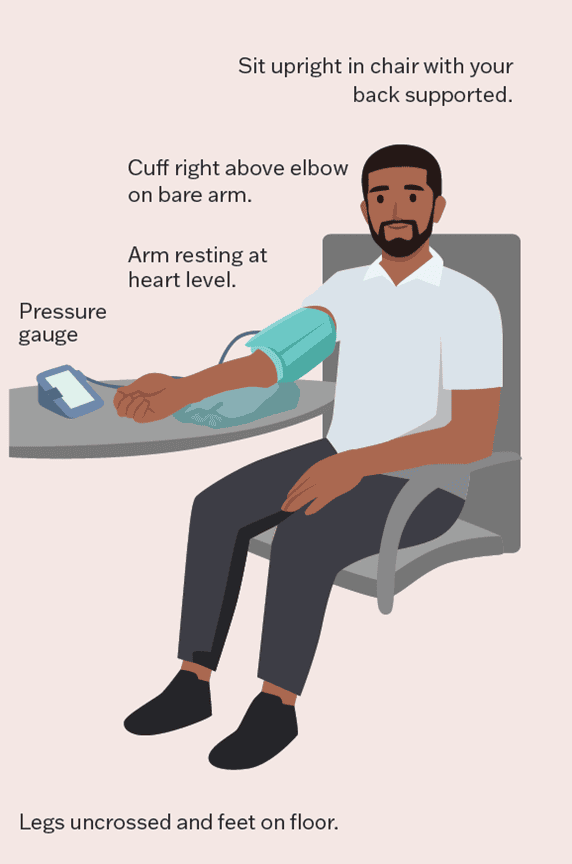
- Rest for at least 5 minutes
Taking Your Blood Pressure
- Take your blood pressure before you take any medicines.
- Measure your blood pressure at the same time each day.
- Your healthcare professional will let you know how many times each day to take your blood pressure.
- Each time you measure your blood pressure:
- Take 2 to 3 readings.
- Each reading should be 2 minutes apart.
- Write down your readings, or print the numbers stored in your device.
- Ask your health care professional if there is a way to link to your electronic medical record.
- Bring your readings, or your device, to each health care visit.
Blood Pressure Higher Than 180/120
- Wait a few minutes and take your blood pressure again.
- If your blood pressure is still high:
- If you have any of these symptoms, CALL 911
- chest or back pain
- Shortness of breath
- numbness or weakness
- change in vision
- trouble speaking
- If you have no symptoms, contact your health care professional
- If you have any of these symptoms, CALL 911
Learn More
Explore these topics further to learn more about blood pressure.
Understanding Blood Pressure
Exercise and Blood Pressure
Salt and Blood Pressure
Common Medicines for Blood Pressure
Make A Change
Blood Pressure and Exercise
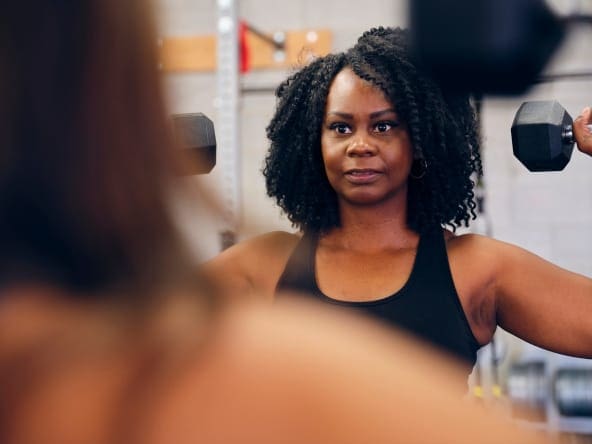
Always talk to your healthcare professional before starting or changing your exercise routine to find out what exercises are safe for you. You can also ask about a good pulse rate range and how to take your pulse. This is called your “Target Heart Range.”
Why Is Movement Good for You?
Any movement helps prevent heart attack and stroke by:
- Lowering your blood pressure
- Improving your cholesterol by lowering LDL and triglycerides
- Controlling your blood sugar
- Helping you stay at a healthy weight and build muscle
- Lowering stress, depression, and anxiety
- Improving muscle strength, balance, and fitness
Movement Tips
- Aim for 150 minutes of movement per week. It is good goal to move at least 30 minutes per day at a moderate intensity (such as brisk walking). You can start slow and build up your time and speed.
- It is important to warm up before exercising and cool down afterward. Stretching and/or walking at a slow pace for 5 minutes will allow your heart rate and blood pressure to adjust safely.
- Add stretching, flexibility, and balance exercises to your routine. Yoga and Tai Chi are good examples.
- Consider joining a group exercise class at your local fitness club or gym where you can socialize and find a supportive environment.
- Resistive exercise is important as well. Using light weights and resistive bands help to build muscle and improve strength.
- Consider moving with a friend, neighbor, or significant other. Having someone to encourage your efforts and help with motivation will help both of you, and will be more interesting and fun!
- Most importantly, find a routine that you will enjoy. You are more likely to continue with a form of physical activity that is enjoyable.
Learn More
Explore these topics further to learn more about blood pressure.
Understanding Blood Pressure
Checking Your Blood Pressure At Home
Salt and Blood Pressure
Common Medicines for Blood Pressure
Make A Change
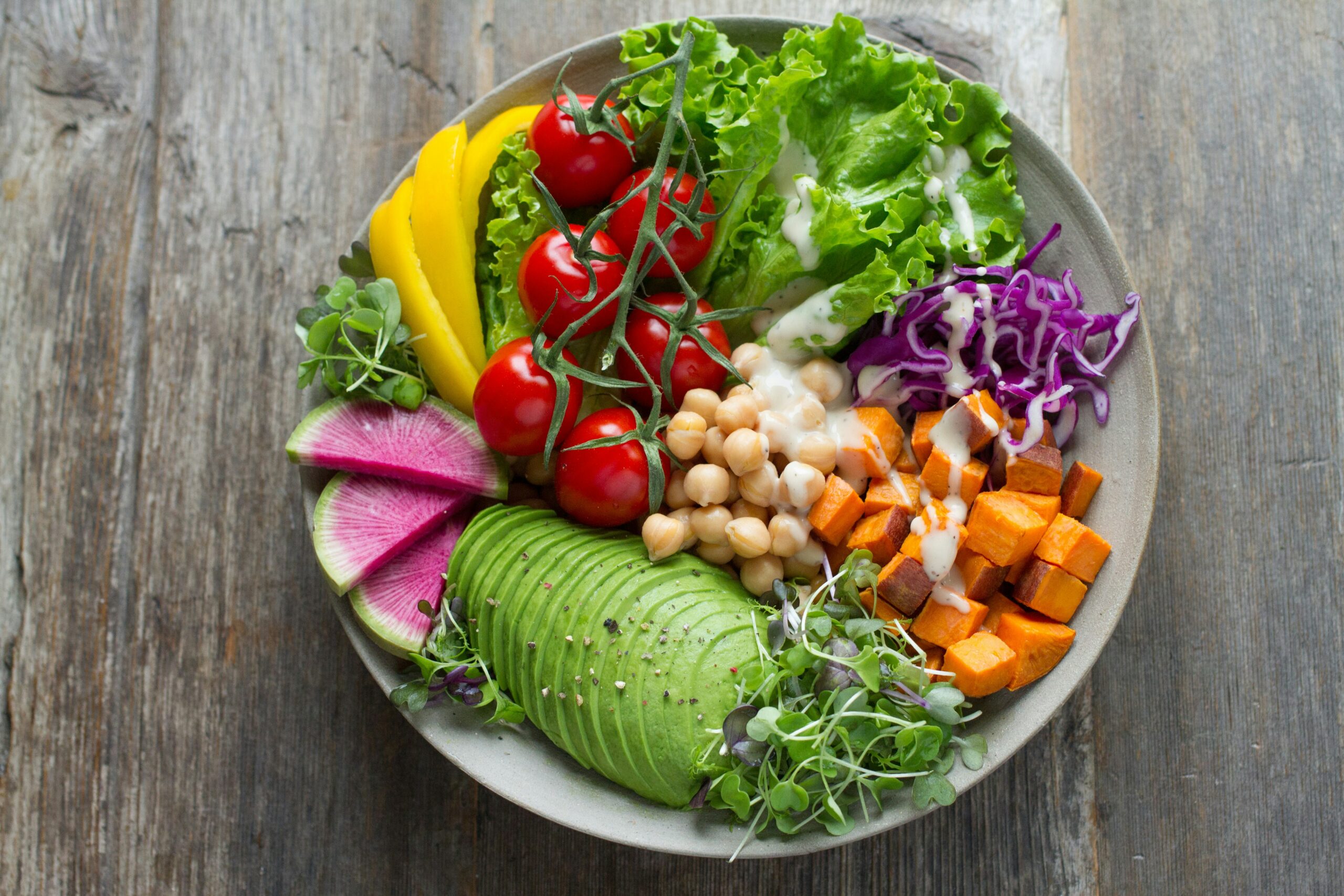
Healthy Diet
Minimizing the amount of salt (sodium) you eat, eating foods that are high in potassium, following a healthy eating plan, and reaching a healthy weight can help lower your blood pressure.
The DASH (Dietary Approaches to Stop Hypertension) diet(opens in new tab) helps you reduce salt, increase potassium, and improve your blood pressure.
Eat Less Salt
Minimizing the amount of salt (sodium) you eat can help lower your blood pressure. For most adults, including anyone with high blood pressure, the ideal amount of sodium you should eat is less than 1,500 milligrams (mg) each day. This is less than a teaspoon.
Most people consume 50% more salt than the recommended daily limit. It is important to know where the hidden sources of salt are found, such as in pre-packaged and restaurant food.
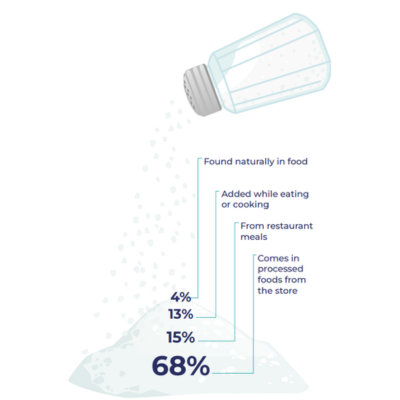
Top 10 Sources of Sodium in American Diets
- bread and rolls
- Cold cuts and cured meats, such as bacon and sausage
- pizza
- poultry (processed)
- canned food: soups, vegetables, and fish such as tuna and sardines
- sandwiches such as hot dogs, hamburgers and submarine sandwiches that contain prepared meats
- cheese, especially hard cheeses)
- pasta dishes such as lasagna, spaghetti, and pasta salad
- meat dishes including meatloaf, chili, and stew
- snacks such as chips, pretzels, popcorn, and crackers
10 Easy Steps for Cutting Sodium
- Read nutrition labels for serving size and mg of sodium. Choose foods with lower sodium.
- Cook your own food when you can. Don’t salt foods before or during cooking or eating.
- Add flavor without salt. Use herbs and spices.
- Choose fresh or frozen meats instead of processed meats. Check to see if salt water (saline) has been added.
- Use fresh, frozen, low sodium or no-salt-added canned vegetables.
- Rinse canned foods such as tuna, vegetables and beans to reduce salt.
- Choose fat-free or low-fat milk and milk products in place of processed cheese products and spreads.
- Choose unsalted or low-sodium nuts, seeds, chips and pretzels.
- Choose light or reduced-sodium ketchup, soy sauce, salad dressings, and seasonings. Try using olive oil and vinegar instead.
- At restaurants, ask for your meal to be prepared without salt and with sauces and dressings served ‘on the side. Smaller serving sizes also mean less salt.
- Take home half of your meal instead by filling up the “take out box” before you start eating!
Eat Foods That Are High in Potassium
Eating foods that are high in potassium is important for managing high blood pressure. This is because potassium helps relax your blood vessels and lowers the sodium in your body through your urine.
However, eating a diet high in potassium may not be suitable for everyone, especially if you have kidney disease or are taking certain medicines. Check with your health care professional before you decide to increase potassium in your diet, especially if you take diuretics.
The recommended amount of potassium for men is 3,400 milligrams, and for women is 2,600 milligrams.
Examples of Potassium-Rich Foods
- bananas
- potatoes
- greens
- avocados
- fat-free yogurt
- mushrooms
- apricots
The Healthy Eating Plate Plan
Healthy Eating Plate should include:
- Healthy oils, like olive oil and canola, for cooking. Use olive oil on salads and vegetables. Limit butter and margarine. Avoid trans fat.
- More fruit and vegetables. Half of your plate should be a wide variety of fruit and vegetables, especially berries. Remember, potatoes don’t count as a vegetable.
- Drink water, tea, or coffee (with little or no sugar).
- Limit milk/dairy to 1 to 2 servings/day. Avoid sugary drinks.
- Plain yogurt with fresh fruit such as berries is a good choice for one of your dairy servings.
- Eat a variety of whole grains. Use whole wheat bread and pasta, and use brown rice instead of white rice.
- Choose fish, poultry, beans, and nuts. Limit red meat and cheese. Avoid bacon, cold cuts, and other processed meats.
- Avoid canned soups. Make your own homemade soups with low-sodium chicken or vegetable stock. Load up on fresh vegetables and beans to put in the soup.
- Be mindful of portion size. Eat the healthy foods you joy, but don’t over-indulge.
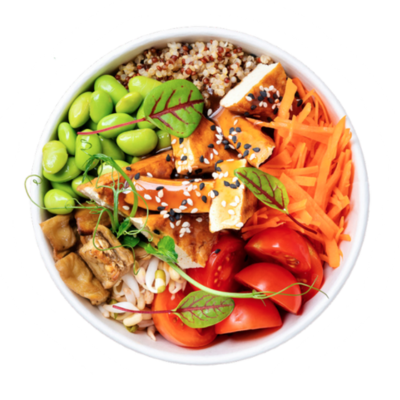
Foods to Increase
- Half your plate should contain fruits and vegetables.
- Make at least half your plate is grains whole grains.
- Switch to fat-free or low-fat (1%) milk.
Foods to Limit
- Compare sodium in foods like soup, bread, and frozen meals and choose foods with the lower amounts of sodium.
- Drink water instead of sugary drinks.
- Avoid alcoholic beverages.
Reach a Health Weight
When you choose healthy foods, you can help lower your blood pressure and also reach and stay at a healthy weight.
- Choose your foods wisely and read food labels.
- Keep a food diary to stay focused and aware of what you are eating.
- Limit the amount of alcohol you drink. No more than 1 drink a day for women, and 2 drinks a day for men. Drinking no alcohol at all is even better.
- Try not to shop when you are hungry. We are tempted to buy more unhealthy foods when we are hungry.
- Make a grocery list, and then stick to it when shopping.
Tips for Reaching a Healthy Weight
- Count your calories, then eat 100 fewer calories a day.
- Walk 30 to 60 minutes each day. Gradually work up to 10,000 steps per day by using a pedometer or other step-tracking device.
- Eat smaller portions.
- The size of a portion for starch and for protein/meat should not be larger than a deck of cards.
- Fill up on salads, vegetables, or low-sodium soups.
- Drink a large glass of water before your meal.
- Limit processed foods, as they contain added salt, sugar, and trans fats.
- Do not eat snacks directly from the bag. Measure out the portion into a bowl to avoid overeating.
A Healthy Plate = A Healthy Weight
- Enjoy your food, but eat less.
- Avoid oversized portions.
Ways to Save 100 Calories
- Eat 1 cup of whole grain cereal instead of 2.
- Instead of cheese, add lettuce and tomato to your sandwich.
- Use fat-free salad dressing, or olive oil and spices.
- Use mustard instead of mayo on sandwiches.
- Order thin or vegetable crust instead of thick crust pizza.
- Eat fresh fruit instead of fruit juice.
- Use smaller bowls and plates for your food.
Learn More
Explore these topics further to learn more about blood pressure.
Understanding Blood Pressure
Checking Your Blood Pressure At Home
Exercise and Blood Pressure
Common Medicines for Blood Pressure
Make A Change
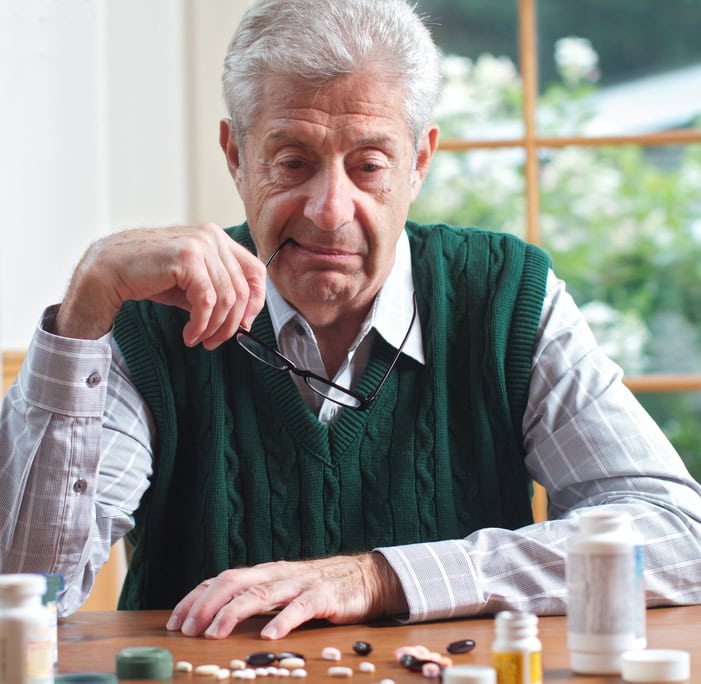
Common Blood Pressure Medicines
Most people with high blood pressure need at least 2 medicines to lower their blood pressure and keep it under control.
It is important to take all of your prescribed medicines, as each works in a different way.
| Drug Classes | What it Does to Treat High Blood Pressure | Common Brand Names |
|---|---|---|
Angiotensinconverting enzyme (ACE) Inhibitors | Decreases an enzyme which helps your blood vessels relax, so blood has more room to flow through arteries and veins | Lisinopril (Zestril®), Enalapril, Ramipril |
Angiotensin Receptor Blocker (ARB) | Decreases an enzyme and allows your arteries and veins to relax so that blood has more room to flow through | Losartan (Cozaar®), Olmesartan (Benicar®), Valsartan (Diovan®) |
Beta Blocker | Blocks the effects of the hormone epinephrine (adrenaline) to slow your heart rate and lower your blood pressure | Metoprolol (Toprol®), Atenolol (Tenormin®), Bisoprolol (Zbeta®) |
Calcium Channel Blocker | Stops calcium from entering cells which relaxes and opens the blood vessels to lower blood pressure | Amlodipine (Norvasc®), Cardizem®, Procardia® |
Vasodilator | Relaxes the blood vessels by dilating (widening) them so the heart can pump blood more easily | Hydralazine, Minoxidil |
Thiazide Diuretic (water pill) | Stops the body from absorbing too much salt and water, which will lower blood pressure | Hydrochlorothiazide (HCTZ), Chlorothiazide (Diuril), Chlorthalidone |
| Aldosterone Antagonists (potassium sparing water pill) | Make your kidneys move extra water and salt out of your body, lowering your blood pressure | Spironolactone, Eplerenone |
Central-acting Agent | Blocks signals from the brain that increase how fast the heart beats, and relax blood vessels which allows the heart to beat easier | Clonidine |
| Aldosterone Synthase Inhibitor (ASI) | Blocks the hormone aldosterone, which raises blood pressure to unhealthy levels | Baxdrostat |
Learn About Your Medicines
Medicine Checklist
Check off the things you do:
- Know the name of each medicine that I take.
- Carry a list of my medicines with me at all times.
- Know how and when to take my medicine.
- Know what side effects I need to report to my health care professional when I take my medicine.
- Tell my health care professional about all of the vitamins, herbs, supplements, and pills I take.
- Never stop taking a medicine without calling my health care professional.
How Do Blood Pressure Medicines Work?
There are many medicines that lower blood pressure. They all work in different ways.
- Relax the arteries
- Aangiotensin converting enzyme (ACE) inhibitors
- Angiotensin II receptor blockers (ARBs)
- Calcium channel blockers (CCBs)
- Remove extra fluid
- Diuretics
- Allow your heart to beat more easily
- Beta blockers
Tips on Taking Your Medicines
Use a weekly pillbox to help you remember to take your medicine, even if you only take one pill.
- Take your pills at the same time each day. Use a timer or alarm on your watch or phone to remind you to take your medicine.
- Write down on your calendar when you need to refill your medicine – at least 1-2 weeks before you run out.
- When you travel, carry your medicine list, and at least 1-2 days of extra medicine.
- Keep taking your medicines even if your blood pressure is at your goal.
Things to Talk About With Your Healthcare Team
- Ways to make your medicine schedule easier.
- If there are lower-cost options for your medicines, such as generics.
- If you don’t feel well after taking a medicine, call your health care professional. Don’t just stop taking the medicine.
Learn More
Explore these topics further to learn more about blood pressure.
Understanding Blood Pressure
Checking Your Blood Pressure At Home
Exercise and Blood Pressure
Salt and Blood Pressure
Make A Change

Make a Change
Small changes make big changes in systolic blood pressure. Healthy changes can lower your blood pressure by several points.
| What do Do | How Much Your Systolic Pressure (Top Number) Will Go Down | ||
|---|---|---|---|
| Weight | Eat less and move more to reach a healthy weight. | 1 mm Hg for each 1 kilogram of weight loss weight loss | |
| Exercise | Exercise for 30 minutes most days of the week. | 2 to 8 mm Hg | |
| Diet | Eat fresh fruits, vegetables, whole grains, and low-fat foods. | 3 to 11 mm Hg | |
| Salt (Sodium) | Eat less sodium (salt) each day. | 2 to 6 mm Hg | |
| Alcohol | Men: No more than 2 drinks a day. Women: No more than 1 drink a day. Drinking no alcohol at all is even better. | 3 to 4 mm Hg | |
| Stop Smoking | Stopping smoking and other tobacco products is important to your health. Smoking can temporarily raise your blood pressure and can damage your arteries. | ||
Make a Plan
Check Off The Things You Will Do
- Check food labels for sodium levels.
- Buy a blood pressure device and check my numbers at home.
- Eat less salt and more fresh fruits and vegetables, and consult with my health care professional about adding potassium-rich foods.
- Ask my health care professional what exercises are safe for me.
- Get at least 150 to 300 minutes of moderate-intensity aerobic activity each week, like brisk walking or fast dancing.
- Carry a list of my medicines with me at all times.
- Use a medicine calendar or app to help me remember to take my medicines.
- Talk to my health care professional before I stop taking any medicines.
Keep Track of Your Activity
Now is time to make a plan to lower your blood pressure. Remember, even small changes can make a big difference.
Learn More
Explore these topics further to learn more about blood pressure.
Understanding Blood Pressure
Checking Your Blood Pressure At Home
Exercise and Blood Pressure
Salt and Blood Pressure
Common Medicines for Blood Pressure
Disclaimer: While PCNA strives to provide reliable, up-to-date health information, this and other PCNA education materials are for informational purposes only and not intended as a substitute for professional medical care. Only your healthcare provider can diagnose and treat a medical problem.
Supported by an independent grant from AstraZeneca.
