






Advanced practice providers provide both quality care and leadership in structural heart interventions. Guest Caitlin O’Callaghan Reen, CNP, FACC, describes how to effectively work with patients and their support communities in shared decision-making for long-term, lifetime planning and leadership within the structural heart team.
Episode Resource
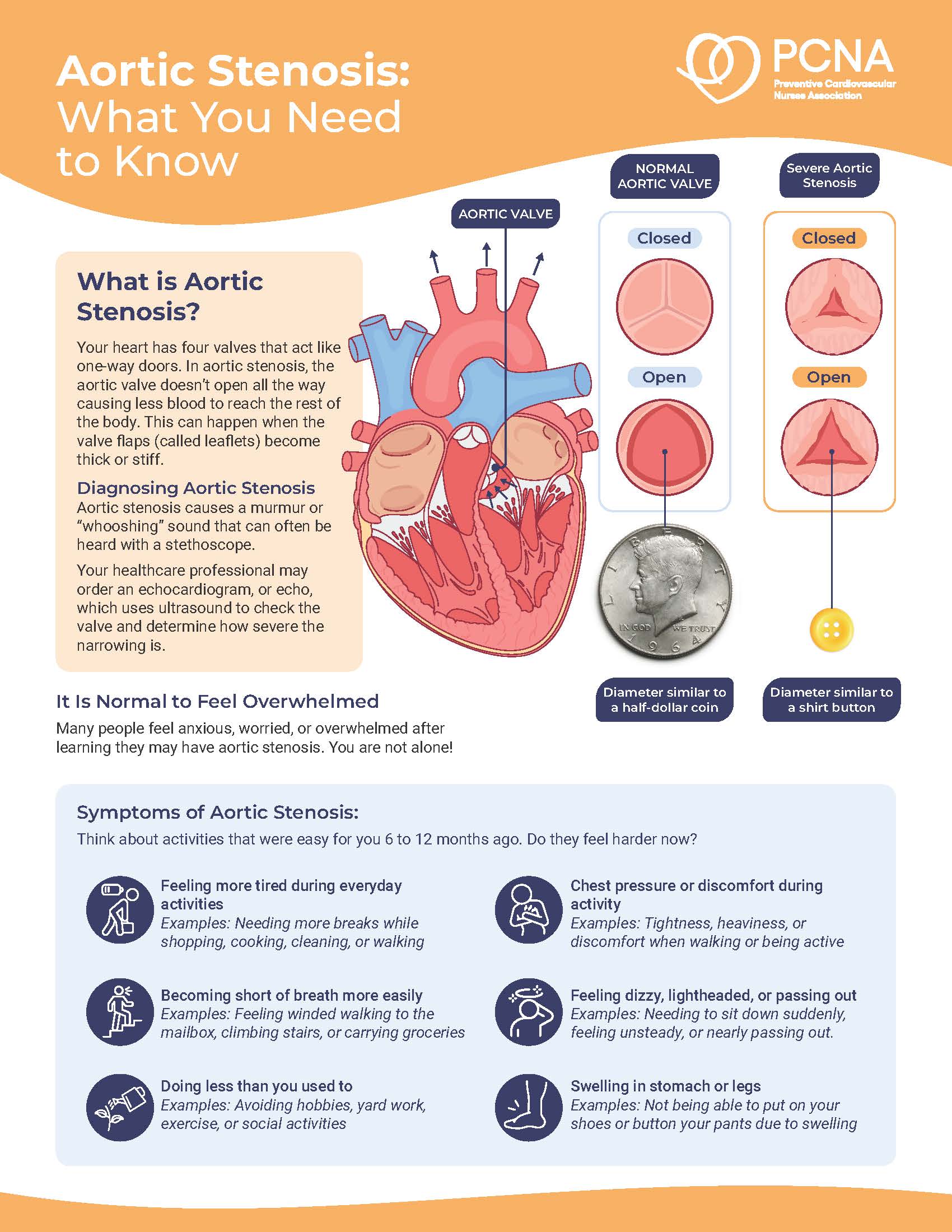
- PCNA CE course – Aortic Stenosis: An increasing risk for structural heart disease
I’m Yvonne Commodore-Mensah, Board President for PCNA. I’d like to welcome you to Heart to Heart Nurses. PCNA supports your professional journey with accessible continuing education, practical patient resources and a vibrant community that understands the unique challenges and rewards of cardiovascular nursing. Together, we’re advancing the knowledge that defines excellence in cardiac care while celebrating the difference you make every day.
Geralyn Warfield (host): (00:31)
Welcome to today’s episode where we have the great pleasure of speaking with Caitlin Reen. Caitlin, could you introduce yourself to our audience?
Caitlin Reen (guest): (00:37)
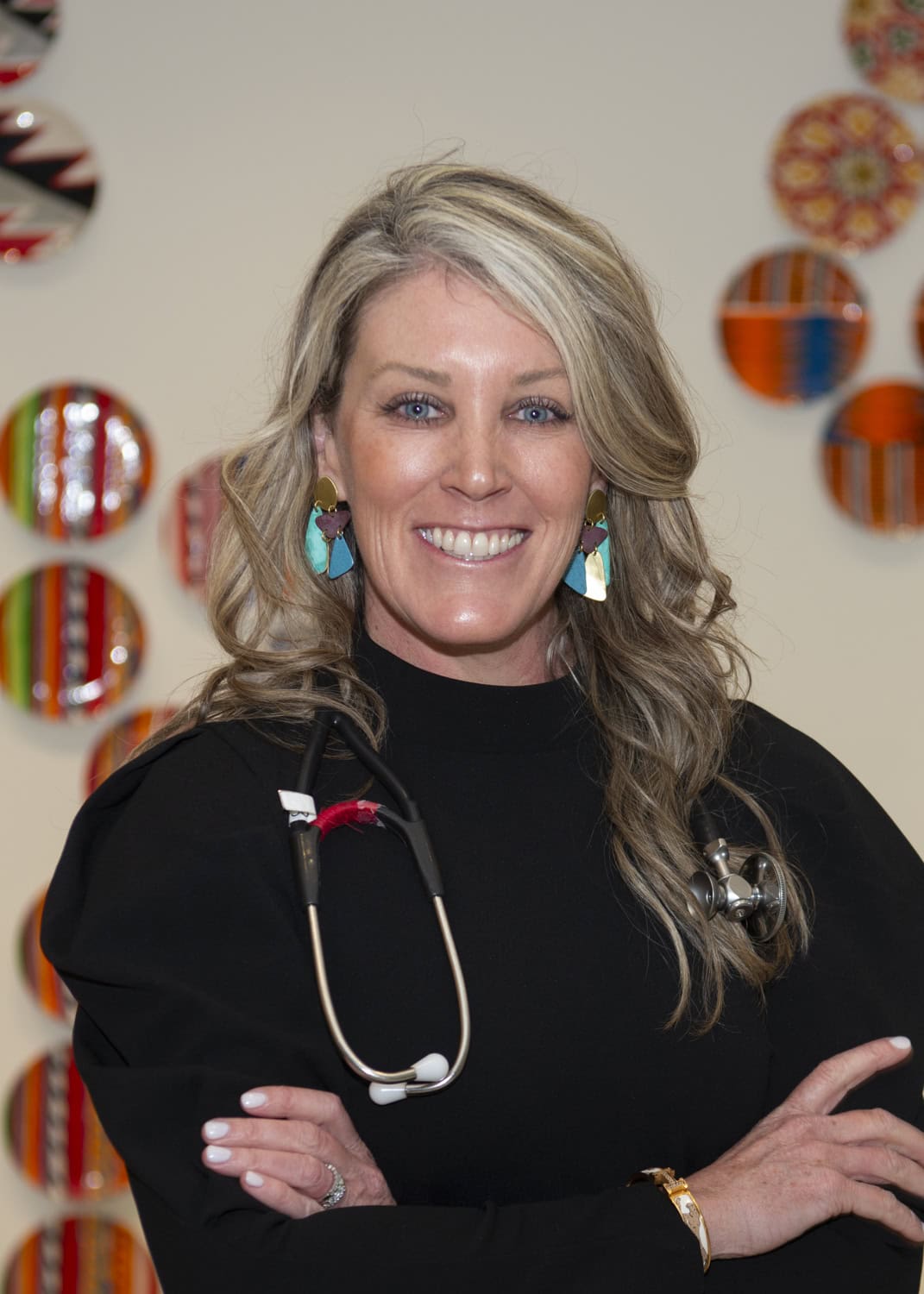
Of course. Thank you for having me. Caitlin Reen, I am a Certified Nurse Practitioner. I work at the Massachusetts General Hospital. I’ve been with the structural heart program there for 19 years.
Geralyn Warfield (host): (00:48)
So, when we’re talking about the structural heart team, what do you think is the role of an APP in that?
Caitlin Reen (guest): (00:53)
That’s a great question. You know, the roles have changed over the years. And I think we are very lucky to have a team-based approach in structural heart care where every single role is valued. And I think that we are all somehow interchangeable.
So, there are some of us that can’t actually do the procedures, but there are some of us that can’t prep the patients to get them to a procedure. And I think one of the things that came to the forefront when we got through TAVR was the importance of a multidisciplinary approach to care. And I think the role of the advanced practice provider has certainly shown us that leadership can come from any place.
And I think that those of us that are working patients up, whether it’s at the bedside or taking leadership positions in a structural heart program, you’ll see now most of them are APPs. And we do have the ability to know every role of every person on a team. And I think that puts us in a position to be a great leader and to follow patients through their sort of journey through any sort of structural heart intervention.
Geralyn Warfield (host): (01:56)
Let’s talk a little bit more about how APPs are engaged and involved in shared decision-making.
Caitlin Reen (guest): (02:01)
Yes, yes, that’s a big role that we have. And to be honest, we all have to play a part in that in the structural heart team.
But when we go in to see a patient, specifically where I work, the APP is the first person in the room and we’re the last person out of the room. So, we get to know sort of the intricacies of patients’ lives. And we come to them with recommendations. And we come to them saying, “This is the safest thing we can offer you for an intervention.” But we always leave the room saying, “This is your decision.”
And our job is to tell them what’s safe, what’s appropriate, and what we can do. And their job is to tell us where we fit into their lives.
If we have to say to them, “We think you need surgery,” and they’re coming back to us to say, “But my grandson’s getting married in a month,” what are the things that we can do in a shared decision-making world to sort of bridge them to get them through what they need to get through and then give them the appropriate care?
So, I think coming to them with a three-step process is we’re listening to you, you’re listening to us, and our goal together is to make a plan that works for everyone.
And I think the APPs play a major, major role in that. We are lucky to see these patients for a very short but intense period of their life. And you’ll see that in the years following their procedure, they always call back to say, “May I talk to Cate?” or “May I talk to the APP who I met in the office?”
I think we approach patients a little bit differently than our physician colleagues. Sometimes it’s a checkbox and sometimes it’s quickly done and we need to get to the next one.
Whereas I can tell you patients’ dogs names, and whose wedding they have to go to, and really the important things of their life that matter to them. And that in turn matters to us, which then allows us to present them with something that’s most appropriate for everyone.
Geralyn Warfield (host): (03:39)
And I suspect it’s not just the patient with whom you’re working. Who else is engaged in this?
Caitlin Reen (guest): (03:44)
Excellent, excellent point. Especially in structural heart disease, and especially with all the advancements that we’ve had in structural heart disease, these patients are coming to us, say in their 70s. We are no longer talking to them about getting them to their 80s. We’re talking to them about lifetime planning.
And people will laugh at us when we say to them, you know, they’ll say, “I’m 75, what are you talking about?” And then their daughter’s there and their grandson’s there. And you know, all of these people are there and we talk to them, “What is the most appropriate procedure now to get you to the next procedure?”
Because we’re not planning for 10 years, we’re planning for 30. And now with all these advancements in structural heart technology, we have the ability to do that. So those conversations come with eight family members, their neighbor comes in, their priest comes in, everybody’s there.
I think patients go to their primary care doctors by themselves. I think a lot of us do. We go in, it’s a quick check and that’s what we do. Maybe those conversations are not always the most honest conversations.
And then when they come to a structural heart or sort of a specialty appointment, you’ll see everybody they know comes to that appointment. And that’s where sort of the truth comes out. They’ll say, “Well, Papa, know, just walking in from the driveway to here you were a little short of breath.”
“Oh, OK, I didn’t notice that.”
So, we get a little bit more in-depth truth diving there than we usually don’t when you go to our primary care office. And that comes from the help of families and friends. And that allows us to have a more in-depth shared decision-making than we do with just a patient. That’s a great question.
Geralyn Warfield (host): (05:08)
We are going to take a quick break, and we will be right back.
Geralyn Warfield (host):
We’re back with Caitlin Reen to discuss structural heart programs and the roles of APPs in that structural heart program. And I’m wondering if you could talk a little bit about the future and leadership in these roles.
Caitlin Reen (guest): (05:22)
Yeah, the future is bright. So, you know, I think if we go to these big meetings and we’re seeing these talks at ACC or AHA, if you look at the titles of the people who are giving these talks, it’s not always physicians now. And in especially talks not only about clinical trial data or programmatic streamlining, anything like that, we’re talking about big, massive talks. And those are sometimes now given by APPs.
The other thing that’s really nice to see is that when I see colleagues that I’ve known for 20 years and we all started seeing patients in clinic day in and day out. And now we’re sort of inching our way into these leadership positions because of what we’ve done and because of how we’ve seen programs grow and seen structural heart grow.
And I think, again, the role of the APP is so critical in a structural heart program because we know the role of every other person on that multidisciplinary team. I think sometimes maybe, the physicians or the admins lose sight of what is the purpose of each other’s role. And I think the APPs, I can tell you the ins and outs of the nursing role, of the physician role, of the admin role.
And being able to promote each role and value each role is something that the APP is well trained for. And we are probably better equipped to understand each role and the intricacies of each role. So, I think the leadership and the future of structural heart is going to be based in APP. And I think we have a lot to look forward to.
Geralyn Warfield (host): (06:46)
I love that. And I do have one more question for you. And that is, if you had one key takeaway for our audience about our discussion today or even something new that’s popped into your head, what would that be?
Caitlin Reen (guest): (06:55)
That’s a great one. A key takeaway, I would say the world of structural heart is emerging and it is sort of exploding in wonderful ways. And I think the leadership within each program is going to be different. And I think understanding what works for each program is critical. But I think you will see, if you took a poll of a lot of these leading structural heart programs, the nursing and APP roles are the ones that are promoting what looks like success for each program.
Geralyn Warfield (host): (07:24)
Thank you so very much for being here today and sharing your enthusiasm and the information that you have about these structural heart programs. The future is definitely bright.
Caitlin Reen (guest): (07:31)
Thank you for having me.
Geralyn Warfield (host): (07:50)
This is your host, Geralyn Warfield, and we will see you next time.
Thank you for joining us for this episode of Heart to Heart Nurses. We invite you to visit pcna.net for education and resources that will empower you to provide preventive cardiovascular care with confidence and expertise.
Topics
- Structural Heart Disease
Published on
July 7, 2026
Listen on:
CNP, FACC
Related Resources