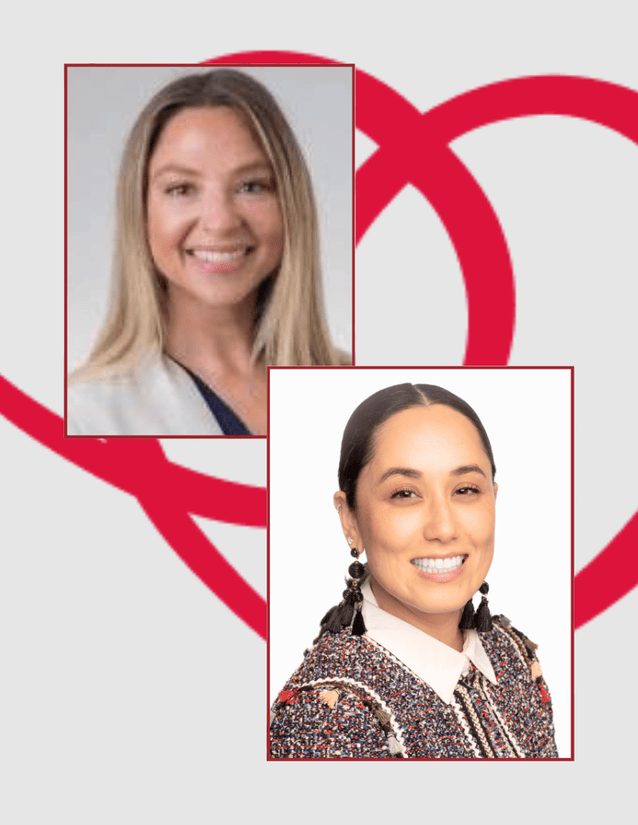





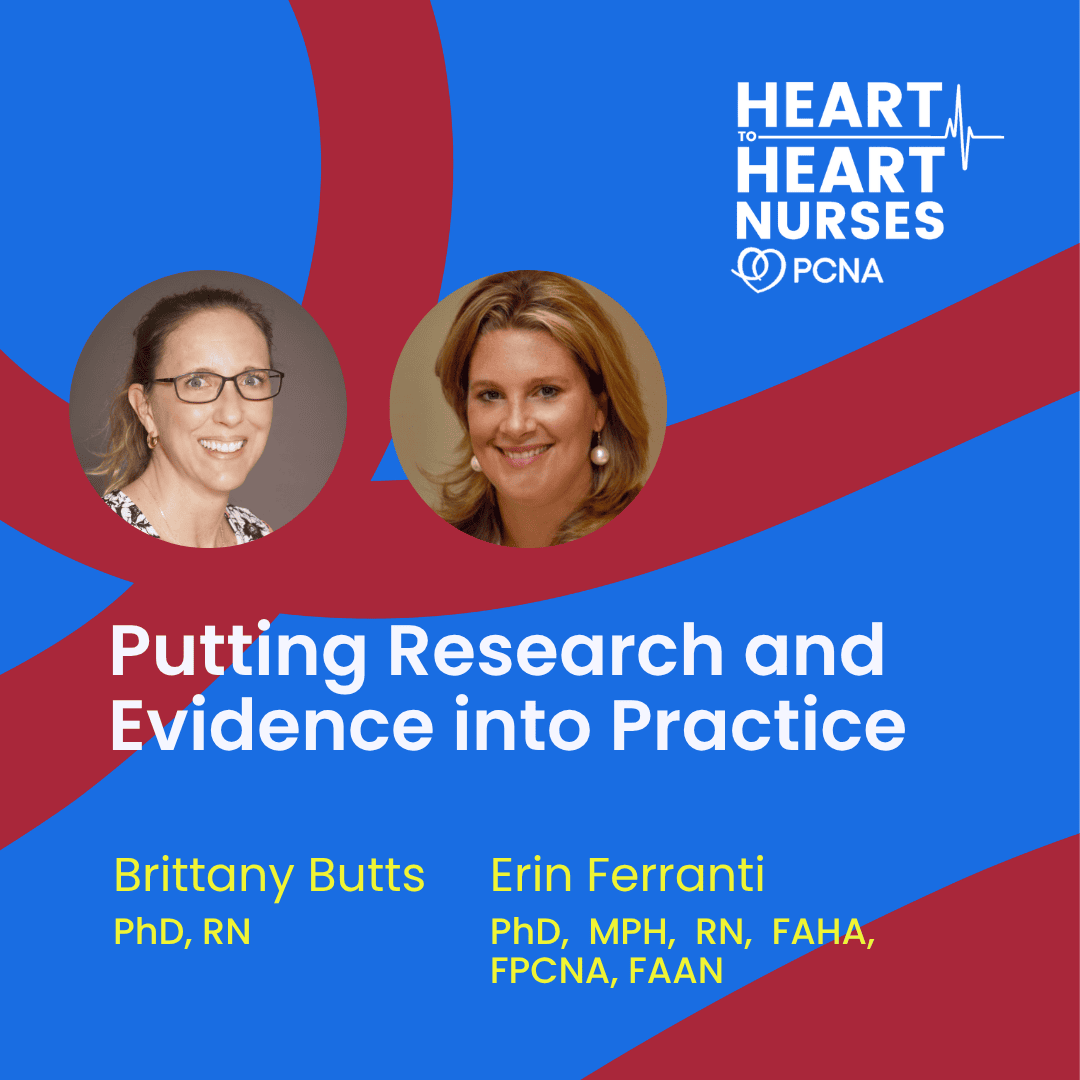
This episode explores how translational research bridges the gap between scientific discovery and real-world patient care, and highlights the nurse’s pivotal role in clinical trials. Tune in to guests Brittany Butts, PhD, RN, and Erin Ferranti, PhD, MPH, RN, FAHA, FPCNA, FAAN, to learn how you can champion research, from participation to publication, and drive meaningful change in healthcare.
Episode Resources
Geralyn Warfield (host) (00:19)
Welcome to today’s episode, Putting Research and Evidence into Practice. Today we are going to be discussing translational research, the importance of the role of nurses in this research, and how nurses are critical in enrolling diverse patients in clinical trials. I’d like our audience members to get to know our guests a little bit better. So Erin, could you introduce yourself to us, please?
Erin Poe Ferranti (guest) (00:40)
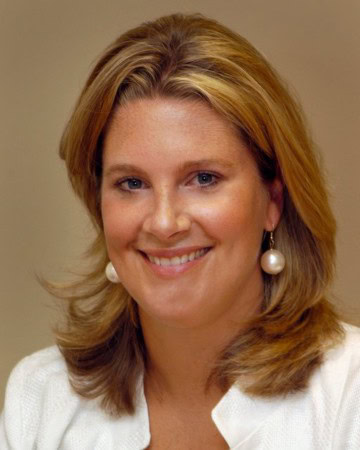
Thanks, Geralyn. I’m Erin Ferranti, I’m an associate professor of nursing at the Nell Hodgson Woodruff School of Nursing at Emory in Atlanta. I’m also the current president of PCNA and honored to be so. And I run a couple trials. So, happy to be discussing this today.
Geralyn Warfield (host) (00:56)
Welcome. And Brittany, could you tell us a little bit about yourself, please?
Brittany Butts (guest) (01:00)
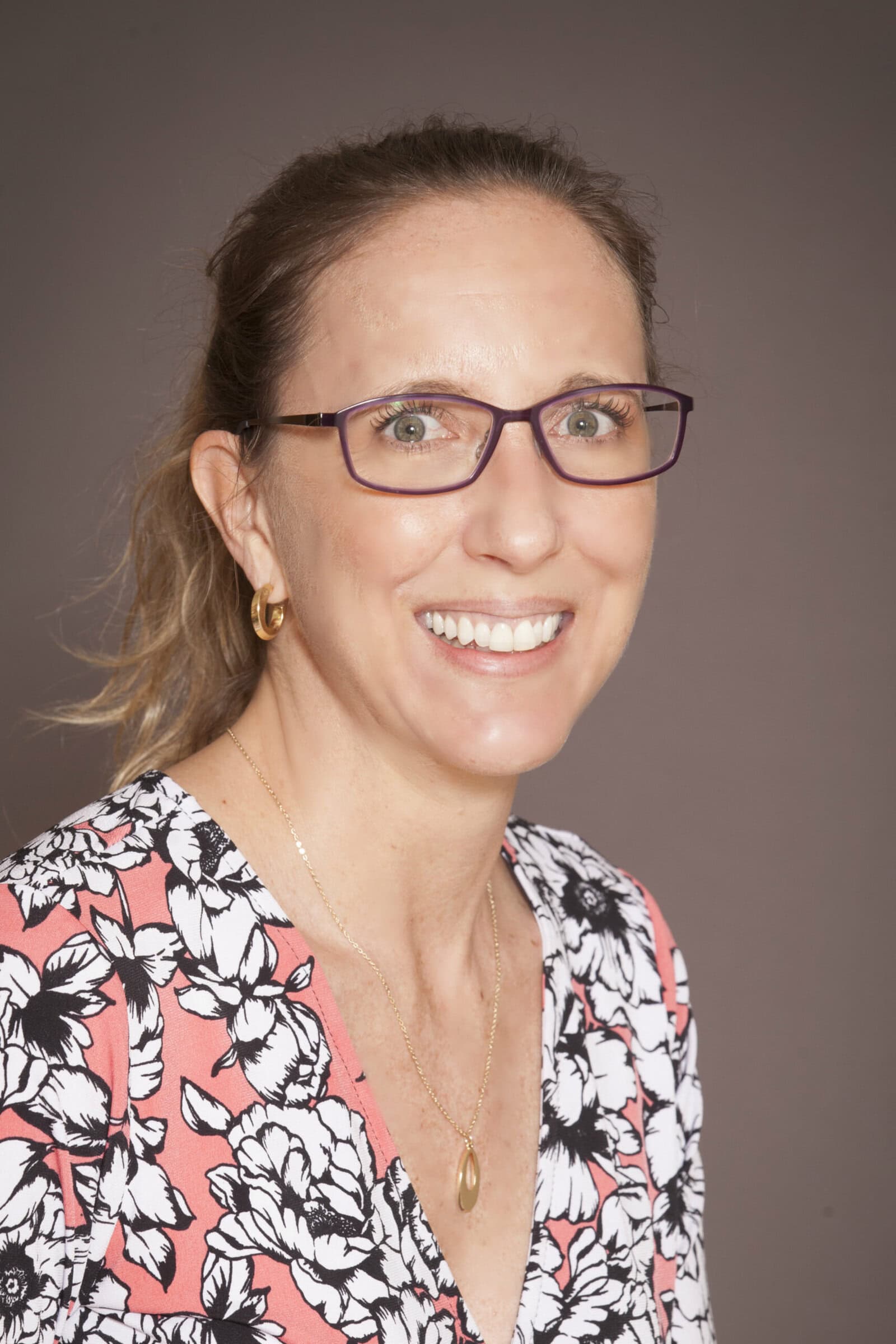
Hi, yes, thank you, Geralyn. So I’m Brittany Butts. I’m an assistant professor at Emory University, and my research really focuses on translational work, understanding how biomarkers can reflect pathways in cardiovascular processes and how those lead to outcomes.
Geralyn Warfield (host) (01:18)
Well, again, thank you both so very much for being with us today. And Brittany, I’m hoping you can get us started by defining for us what exactly translational research is and why it’s so important in healthcare today.
Brittany Butts (guest) (01:32)
Yeah, that’s a fun question because I think a lot of times people have trouble defining translational research. So to me, I think it’s this work where we move discoveries into health impact. So kind of a continuum from basic discovery to clinical testing to implementation and routine care. And then back again as practice generates new questions.
So I see it as closing the gap between what we know and what we do. So it ensures that our scientific findings that we do as scientists reflect the people in settings where care happens and focuses on outcomes that matter to the patients, to the community, and to our systems.
Geralyn Warfield (host) (02:10)
Erin, would you have any different perspective on what translational research means to you?
Erin Poe Ferranti (guest) (02:16)
I think Brittany did a great job describing it. I also think, especially from a nursing research perspective, it’s what matters to patients. So how we translate biomarker findings or bench findings and how that makes a difference in clinical practice and what matters to patients. So I think that’s an important component too.
Geralyn Warfield (host) (02:33)
Well, you brought up nurses, Erin, and I’m hoping that you could start us off discussing a little bit more about what roles nurses play across the life cycle of a clinical trial.
Erin Poe Ferranti (host) (02:45)
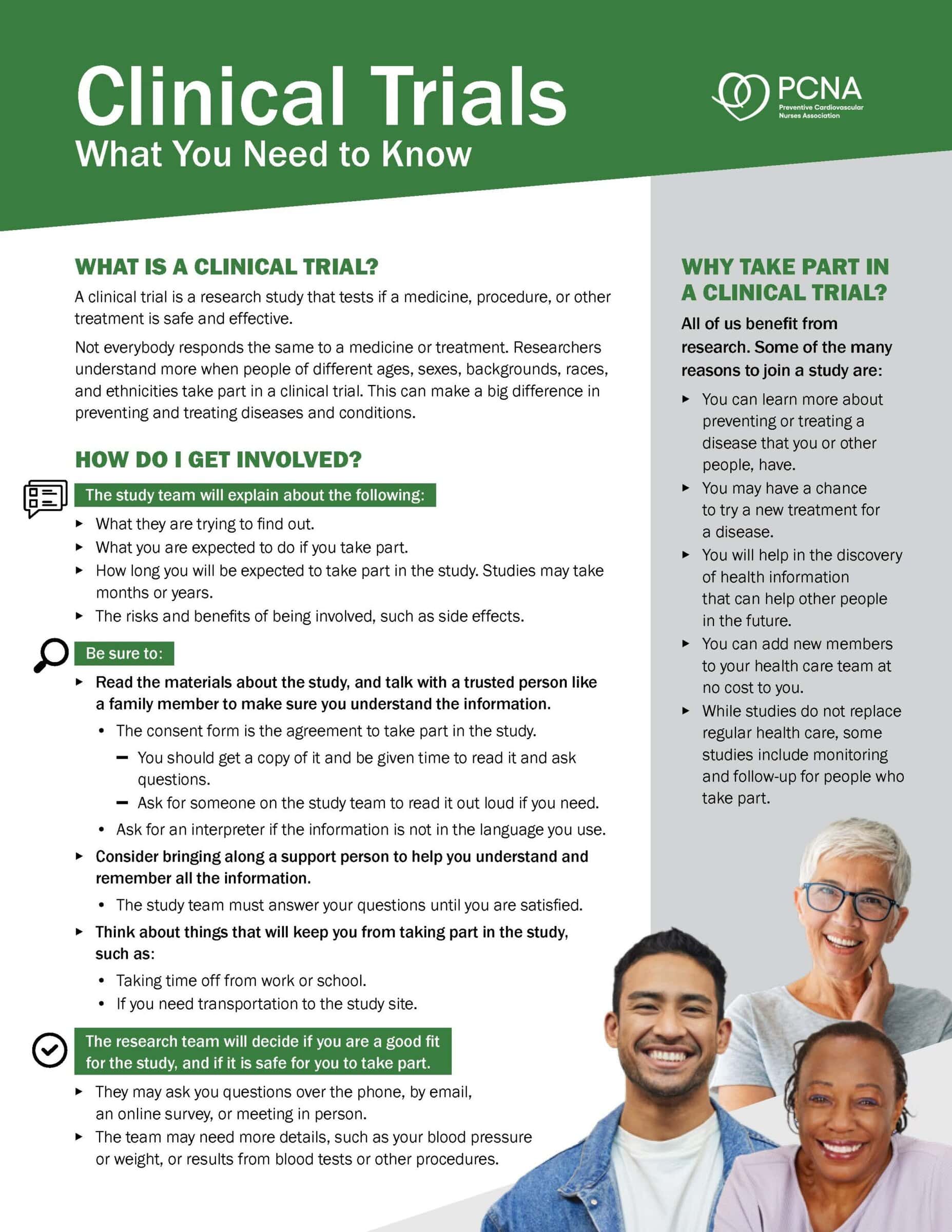
That’s a great question. Nurses play a role in every component of a trial, whether they’re the principal investigators, like Brittany and I serve, writing the grants, securing the funding, coming up with the ideas, implementing the research, to being co-investigators, being on teams of interdisciplinary clinical research studies, to being the implementers of the clinical trials, whether it’s an intervention or a drug study or other kinds of things, nurses are typically on the front lines of implementing the components of clinical trials. We’re also the educators. So if you’re working on a floor and there are trials going on on that floor for that patient population, we’re often the ones who provide the education around that, talk to patients about what it could mean for them, what it means in the greater picture of science and, you know, clinical care. And then I, yeah, just as family members and lay educators, you know, reminding people how important sciences and clinical trials are, because it’s the only way we push clinical care forward.
Brittany Butts (guest) (03:46)
Yeah, Erin, I think that’s a great summary of how nurses can be. What I like about nursing as a profession is it’s so versatile. We’re like a Swiss army knife of jobs. We can pretty much do anything. So we can work in industry, health systems. We can be statisticians, regulatory processes. But I think the unifying threads maybe tie everything up is that nursing brings a patient-centered systems aware perspective that I think strengthens every stage of the translational continuum from discovery to impact.
Geralyn Warfield (host) (04:15)
And so how do nurses in whatever setting they are working, how does that relationship with patients influence trial participation and also patient retention in these trials? Brittany, why don’t you go ahead and get us started on that.
Brittany Butts (guest) (04:29)
Sure, I think that’s a good question because nurses have continuously been the most trusted profession. So I think that’s an important piece of the puzzle. So we build these nurse-patient relationships that drive participation. It helps with retention because we give trust, clarity, and continuity both to science and to care.
Nurses can translate complex protocols into understandable choices because we are the educators like Erin said. And we’re also trained and really adept at addressing fears and practical barriers. So this can help participants in trials feel supported and safe throughout. And I think whether we’re in clinical care or research setting, you know, this relationship really strengthens the engagement, reduces burden, and I think it makes people more likely to enroll and stay in the study, which is kind the hardest part of research sometimes.
Erin Poe Ferranti (guest) (05:23)
I think those are great points, Brittany. I think nurses are really in tune to the patient experience. And so being able to translate ongoing clinical research, how it could potentially benefit that patient’s experience, that family’s experience, what it means in the long term, what are the maybe non-benefits? They’re, you know, not every trial serves to benefit each individual participant. So being able to lay that out in ways that is easily understandable by patients, I think is a huge role that nurses play.
Geralyn Warfield (host) (05:53)
And one of the things that comes into mind of patients and family members and caregivers are barriers to participation. And from both the historical as well as the current context, I’m wondering if we could discuss just a little bit what are most, the most common barriers that our patients are facing when they’re thinking about participating in these trials?
Erin Poe Ferranti (guest) (06:12)
So, historically, you know, we have some bad history with biomedical clinical trials. I won’t, this is beyond the you know, our conversation today, but a lot of mistrust was established because patients were abused and not fully disclosed on what the trial was fully about. And, you know, was not in the best interest of patients and participants. And that fell along race lines, gender lines. So there continues to be some mistrust, understandably so, for why clinical trials are set up and what they mean and is there any benefit to participants. Of course there’s strong IRBs and a lot of ethical oversight to make sure that that never happens again.
But I think some of the biggest barriers, at least in my experience in working is time. I mean this takes time to participate in a research study and you people are really really busy and particularly if they’re dealing with health challenges, they want to know is this going to impact their own health challenges? Is it going to benefit them? Is it going to not benefit them? You know, how much time is it going to take on their family and their caregivers? So those are some of my, you know, impressions of the biggest barriers. But Brittany, I’m curious to hear what you think.
Brittany Butts (guest) (07:25)
So I think those are all pretty prevalent across many studies. Other barriers I see are transportation. I live in a big metro area, so some people that live in Atlanta, you know, live an hour, hour and a half out. So that can be hard to do. There can be out of pocket costs such as parking with some studies, or they have to miss work. And it’s not like we can give them a doctor’s note, you know, to get them out of work or something. And so I think many barriers today are less so about like willingness to participate, once you really have someone like a nurse who’s good at communicating what the study is and what the actual, you know, visits are like, but more about the practicality. And if we have really developed these studies around the participants’ lives, the best we can.
Geralyn Warfield (host) (08:12)
We’re going to take a quick break and we will be right back.
Grealyn Warfield (host)
We are back to continue our conversation about research and nurses’ role in that research. And we’re going to pivot just slightly into how nurses can act as champions or advocates for clinical trial participation within their units or organizations. What kind of specific strategies might you offer to our audience about how nurses can use – what strategies can they use to actually improve diversity in clinical trial recruitment? Erin, why don’t we start with you?
Erin Poe Ferranti (guest) (08:45)
Yeah, it’s such a great question, Geralyn, thank you. And diversity is so important in clinical trials, especially if we want our findings to be generalizable to the population. So if we’re not studying a certain population in a trial, then we don’t know how whatever we’re studying, affects that particular person or that particular population if there are nuances.
So diversity is really, really important. And again, as we talked about some of the historical underpinnings of clinical trials, it’s been challenging to recruit across the full continuum of diversity. So I think it’s really important to partner with trusted community sites and other leading stakeholders in the community and really be able to explain why it’s so important to have diversity because, like I said, if we don’t know how something affects a population, then we’re not able to implement that into good clinical practice.
Brittany Butts (guest) (09:39)
Yeah, I agree. I think that’s a really key part. And I know something we both really do in our research because we live in a diverse area. And so we want to make sure our research reflects that. We also really try to meet things like educational attainments. We have plain language and things we do, culturally responsive materials that may vary depending on your population. We will sometimes send an Uber to pick up and return our participants so that they can come in because we do collection such as blood draws and lumbar punctures so they have to come to us, but we make sure that they can get here and back, or pay for their parking if they drive themselves. And so I think just finding practical approaches to meet the participants where they are to have a team that reflects them and that makes them feel like they’re part of our community too, I think goes a long way.
Erin Poe Ferranti (guest) (10:33)
And I’ll just add on, because I’m in the midst of working on a trial right now where we’re targeting and engaging Latina farm workers, and I am not a Latina farm worker. So we’ve employed a community advisory board to help guide, you know, are we meeting the right criteria? Are we doing the right things by the community? We have representation on our clinical team to represent Latina women. So there’s so many important things to do to enhance diversity and to ensure that we’re addressing the full diversity of clinical trial design.
Geralyn Warfield (host) (11:05)
On the flip side of that, for a nurse who is interested in becoming involved in research, where would you point them as a starting point? Brittany, could you maybe address that for us?
Brittany Butts (guest) (11:17)
I would keep it easy so you could start where you are. Start simple.
So you may ask what studies are active in your clinic or unit if you’re in an academic medical center or other place where there’s research going. There could be someone at the hospital like a clinical trials office, a research nurse team, you know, that works around you. You could always see if you could volunteer for a role, doing something small just to kind of get your feet wet to see what the process is and if you’re interested.
And I highly recommend attending professional conferences such as PCNA where you can go and you can connect with PIs like me and like Erin, and learn more about ongoing research and opportunities to be involved.
Erin Poe Ferranti (guest) (11:59)
For those who don’t know clinical trial lingo, I’ll just say PI stands for principal investigator. And those are the people who lead studies. So yes, including nurses.
Brittany Butts (guest) (12:04)
Sorry, yes.
Geralyn Warfield (host) (12:09)
So for nurses who are interested in presenting or sharing that research, what does a realistic pathway look like for a nurse to move from that data collection, from that working with groups in either in the clinic or in the community or elsewhere to making that information available to others? Erin, could you maybe address that for us first, please?
Erin Poe Ferranti (guest) (12:31)
And I think it’s so important because, you know, study findings are useless unless they’re shared. So it’s so important to disseminate and share the findings, whether they’re positive, negative, no findings, because that moves the field forward no matter what. And so there are plenty of opportunities to do that. And Brittany had mentioned PCNA. How could we not?
Shout out PCNA and our Annual Symposium, which is a great opportunity to showcase work that could be clinical work, research work. So I love forums like PCNA that celebrates both, you know clinical work, you know, quality improvement projects as well as research. Because that connection and that bridge is really really important. So, PCNA, of course is not the only team on the block there are other places to do it. But they’re I mean, just even sharing in your hospital quality improvement meetings, or nurse staffing meetings. These are data that I’m finding. Patients are telling me this. And there’s always to use data and to disseminate and share from the bedside all the way up to the highest level of NIH funding.
Brittany Butts (guest) (13:36)
Yeah, those, I agree, those are great places and I’m not getting paid to say this, but I will say if this is your first time presenting and you maybe have some evidence based practice or some research that you did on your unit, you want to share, PCNA is the nicest group of people. And I feel like it’s a very welcoming place so that you just are immediately accepted and people are interested in what you did no matter what it is. So, highly recommend considering a very nice place like PCNA to start out.
So we did talk a lot about presenting your work, but another key piece to really get out there in the long term is publishing your work. And so there’s a lot of ways you can do that. You can work with your local teams at your clinic or hospital if they have some sort of newsletter or some way that can help you get a paper out.
A lot of times systems will have like a news outlet that’s internal to what’s going on there. You can present them there or you could work to develop mentors and collaborators in your own space or outside like someone you met at a conference and really work to develop the work into a publication in a nursing journal for example. So there’s lots of opportunities there, it just takes a little willingness to take that scary first step and then finding the partners to help you get the information out to where you want it to go.
Erin Poe Ferranti (guest) (14:59)
I’ll just add on to that, podcasting. What a great way! I mean, everybody listens to podcasts now as you are listening to us. So that’s another great way to share.
Brittany Butts (15:08)
It’s your time to become TikTok famous.
Geralyn Warfield (host) (15:12)
So what resources might be available for nurses that are interested in becoming more involved in clinical research?
Erin Poe Ferranti (guest) (15:20)
I’ll tackle that because I think any of us working in research know that the job is never done. There’s always tons of work to be done. There’s room for everybody. And so we take on students all the time, students who demonstrate that they’re interested, either want to volunteer or serve as an intern or a fellow. So there’s lots of formal roles. There’s lots of informal roles.
And I think networking, going to your professional association meetings, working across your employment opportunities, where you work, and just talking to people and finding out, how can I get involved? Do you need a literature search? I mean, there’s so many things that need to be done when you’re running a study. We could work 24-7 and still never get it done. So there’s plenty of opportunity. It’s just talking to people.
Brittany Butts (guest) (16:08)
Yeah, I agree and those connections can be hard to make, but if you’re willing to put yourself out there and go to places where, for example, clinicians and researchers meet, such as PCNA, you can do that.
I also recommend if it’s something you’re really interested in, you could get ahead of the game a little bit on your own and build some core skills by attending webinars. There’s some short courses online that are free and even start reading some journals in the area that you’re interested in. And then eventually that can kind of give you a foot forward as you go to plug into a team so that you can kind of learn by doing once you get that, you know, basic skill set.
Geralyn Warfield (host) (16:48)
So as we look to the future, what excites each of you most about the future of nursing-led research?
Erin Poe Ferranti (guest) (16:56)
The future is bright, I mean, it’s, not without challenges and we’re under some challenges right now. We definitely need, you know, clinical research to be prioritized. It’s the only way we can move clinical practice forward. So, but you know, I am hearing, you know, from, the bandstands that, you know, people do support clinical research. And so I do think, you know, people are paying more attention now that it’s been threatened a little bit. When something’s not hitting the headlines, maybe you’re not paying as much attention to it, but there does seem to be at least some interest and greater priority being placed on it. So nurses have such a strong role to play. I think what’s really exciting is the bridge and crosstalk between DNP-led practice types of work and then PhD-led work, is knowledge generation. So, it takes all of us together to really make it work and to improve practice. So, I’m excited to see more of those collaborations in the future.
Brittany Butts (guest) (17:55)
I agree. And I think there’s a large potential for nursing-led research. For example, the work our team does likes to connect biology to lived experiences, linking biomarkers to patient-reported outcomes so we can better predict things like risk, develop better personalized care and really ultimately improve outcomes to those that matter to people. And that’s something that nursing research itself, nursing science is really focused on. I also think we’re really, being better at designing studies that reduce participant burden while always having the same quality of safety and data. And then lots of teams, including ours, are using more community partnerships.
Both of us work with that, so we have community-based participatory research so that it’s more accessible to the people we’re trying to reach. And I would like a plug that there’s a huge need for more PhD-prepared nurses. So those of you that are interested in research and you’re not sure what to do, you know, it’s something that can be done and always reach out to someone and, you know, if that’s something you think you want to do, you know, work towards it, figure out how you can make that happen because we’re always here to support that and it’s just a huge need to fill.
Geralyn Warfield (host) (19:08)
One final question for each of you and that is what one key takeaway would you like to leave with our audience? Brittany, let’s start with you.
Brittany Butts (guest) (19:16)
I think the takeaway is that nurses are an integral part of scientific research that affects clinical practice and care and that our future is bright and Erin and I are here to bring in more future researchers to really make us move ahead with the future.
Erin Poe Ferranti (guest) (19:35)
Yeah, and I absolutely echo that. And I just think we cannot turn our backs on public health and science. It is absolutely important to continue to, there’s so many questions that are unanswered. There’s so much we still don’t know. And so we definitely need to prioritize it and keep it moving forward.
Geralyn Warfield (host) (19:50)
We are so grateful to our two guests today, Brittany Butts and Erin Ferranti, for sharing their work about what they do in research and how the rest of us can get involved and move that needle forward when it comes to getting information gathered and also shared with other practitioners and other professionals. I’d also like to thank the sponsors of this episode, Merck and Medtronic. And this is your host, Geralyn Warfield, and we will see you next time.
Topics
- Professional Development
- Research and Evidence-Based Practice
Published on
June 15, 2026
Listen on:
PhD, RN
PhD, MPH, RN, CDCES, FAHA, FPCNA, FAAN
Related Resources