







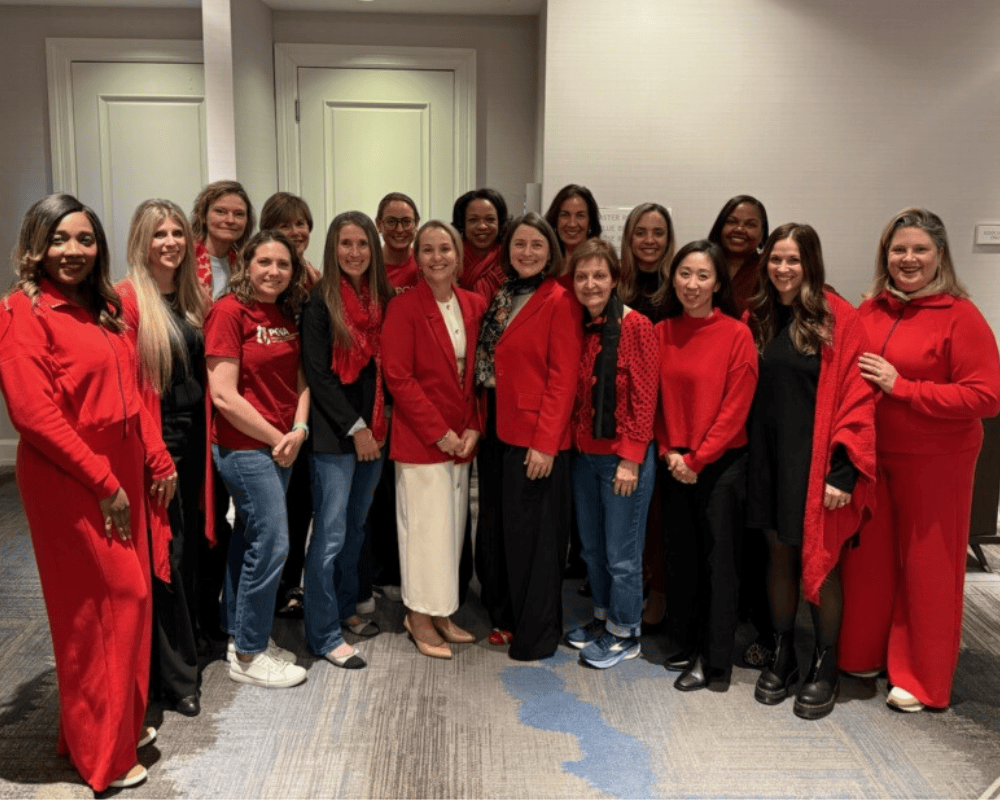
Every day, cardiovascular nurses make life-saving impacts on patients, families, and communities. The power of collective engagement in professional organizations like PCNA expands beyond an important line of text on a CV or resume—it is a commitment to our chosen field and amplifies our individual efforts into a powerful force for reducing the risk for cardiovascular disease and improving patient outcomes.
This work is transformational. It provides support and resources for our colleagues and patients. It helps inform policy choices at the local, regional, and national level. It allows for the integration of best practices in our clinical practices and research labs. And it impacts cardiovascular nurses in all capacities, both now and in the future.
What does that look like at PCNA, and how can you be involved?
Nurturing Nurse Networks
No matter your work setting, nursing is rewarding, demanding, and critically important. PCNA members have the chance to connect with like-minded professionals in person at local events and national conferences, as well as virtually. These opportunities allow nurses to:
- Share solutions and experiences in addressing common challenges
- Build a network of colleagues who can collaborate on activities and research
- Connect with the community through outreach and screening initiatives
Resources and Tools
PCNA members have access to a wide range of tools and resources on cardiovascular disease prevention and management. They also have the ability to contribute to the development and review of these materials, sharing their expertise and experiences with a wide audience of healthcare professionals and patients.
Whether the item is an infographic, sheet, booklet, or online interactive guide, you can share your knowledge and skills to help others improve their understanding of a disease state or other topic. To add your name to our list of experts, complete the Leadership Form.
Links to Learning
PCNA’s educational programs are top-notch thanks to great faculty members who develop and present information in settings such as chapter meetings, online courses, virtual learning events, or PCNA’s Cardiovascular Nursing Symposium. Many are available for continuing education.
No matter where you are in your career, you can improve your expertise and skills by completing a course or certificate, or attending a live or online virtual program. If you’d like to share your expertise, be sure to complete this form.
Advocacy for Patients and Our Profession
Cardiovascular nurses are exceptional advocates for their individual patients, and those same skills can be utilized to advocate at the local, regional, or national level. Find a topic that is of interest to you—staffing, readmission rates, reimbursements, scope of practice, or other issues—and work to inform others, including decision-makers, about it. Be sure to include well-reasoned and concrete solutions to problems.
You can also join advocacy actions of PCNA, such as signing on to current initiatives. You can check out what the Advocacy Toolkit for more ideas.
Key Takeaways
- Take advantage of opportunities to connect with colleagues inside and outside of your organization. Exchange best practices, investigate ways to collaborate on research and other activities, and identify ways to innovate to improve patient outcomes.
- Contribute to the development and review of educational tools and resources. Share your experiences and knowledge to help other healthcare professionals make the most of clinical visits, help patients better understand disease prevention and management, and provide effective take-home information that enables patients to know what steps to take when.
- Attend—or lead—educational programs at various levels, sharing key information about new and updated guidelines, strategies for making care more effective and efficient, and improving communication among team members. Share your research as part of a poster presentation.
- Advocate for yourself, your colleagues, your patients, and your profession. Offer suggestions for improving processes, data management and sharing, and policies. Ask to be involved in work groups and steering committees, as well as advocacy actions at all levels.

PhD, MHS, RN, FAAN, FAHA, FPCNA
