







Cardiovascular disease (CVD) kills more people globally than any other condition, yet it remains chronically underfunded and overshadowed by diseases like cancer. In Policy Action for CVD Prevention: A Call to Action for Nurses Globally, published in the Journal of Cardiovascular Nursing, leaders from the Association of Cardiovascular Nursing & Allied Professions and PCNA make the case that nurses are uniquely positioned to reshape how cardiovascular disease is prevented, treated, and prioritized. As trusted and patient-focused healthcare professionals, nurses have a unique ability to shift public perception, advocate for systemic change, and ensure CVD gets the attention it deserves.
In the interview below, Erin Ferranti, PhD, MPH, RN, CDCES, FAHA, FPCNA, FAAN, one of the paper’s co-authors, reveals the inequities fueling the CVD crisis, the unique role nurses play in bridging gaps, and the steps every nurse can take to help turn the tide.
Q: The article opens with a stark statistic: CVD is the leading cause of death and disability globally, yet it’s underfunded compared to diseases like cancer. Why do you think CVD has been overshadowed in policy prioritization? What are the consequences of this neglect?
One reason cancer gets more funding and attention compared to CVD is the fear factor and emotional weight involved with a cancer diagnosis.
Additionally, despite both diseases having strong behavioral and environmental root causes, CVD is often believed to be self-inflicted by poor lifestyle choices, whereas cancer is often inaccurately attributed to bad luck.
Furthermore, the treatment modalities differ. Cancer treatments rely on focus and investment from big pharmaceuticals, which overshadows the lifestyle focus of CVD treatment, although there are an ever-increasing number of pharmacotherapies approved for CVD.
The consequences of this neglect and underfunding are missed opportunities for novel CVD treatments, and the continued misinformation that characterizes CVD as a personal failure often leads to clinical inertia in screening and treating.
Q: This Call to Action was co-authored by leaders from multiple global cardiovascular nursing organizations. What unique perspective do nurses bring to the table that other healthcare professionals or policymakers might overlook?
Nurses bring a unique perspective because we often work most closely with patients and better understand the full patient experience from prevention through diagnosis and treatment. This understanding lends itself to the development and implementation of guiding policies that have greater relevance and feasibility for what can work well for patients and families.
Q: The Call to Action emphasizes that CVD disproportionately affects vulnerable populations, including women and infants. Can you share a specific example—from your work or research—where this inequity has been particularly stark, and how policy could address it?
For many reasons, CVD has been and continues to be underrecognized in women. Because women were often left out of early research, our understanding of how CVD presents in women is just beginning to be elucidated. CVD has also been associated as a disease of older age, without recognition or appreciation for how risk factors begin in early life. As a result, we wait too long before addressing CVD risk factors, which is clearly evident in the increasing burden of CVD in pregnant women.
Q: Nurses are often called the “most trusted profession.” How can this trust be leveraged to shift public perception of CVD—from a “lifestyle disease” to a global health emergency requiring systemic solutions?
Nurses can use their voices and influence to demonstrate how CVD has multifactorial causes and that many social and environmental systems are designed in ways that worsen CVD. Because many risk factors for CVD begin early in life and progress over time, we have an incredible opportunity to mitigate risk across the life course by implementing earlier prevention and intervention policies and actions.
The Call to Action urges nurses to “constructively contribute to moving this agenda forward within their respective sphere of influence.” What’s one concrete action a nurse in a non-leadership role (e.g., bedside, clinic, or university) could take tomorrow to advance this goal?
Every nurse in every role can contribute by assuring that every patient receives guideline-directed care, that local policies support health and well-being. Specific examples include working to ensure that healthcare systems support nursing staff in delivering the highest quality care, that school systems and hospitals offer the highest nutritional food, or that local policymakers hear from their constituent nurses about what is important to them and the patients and communities with whom they work.
Q: If you could wave a magic wand and change one policy tomorrow to reduce CVD burden, what would it be—and why?
My magic wand would support multifactorial policies that promote and sustain a healthier food system that assures planetary health, economic stability for farmers and farmworkers, and affordable access to healthy food for everyone.
Q: The article ends by urging nurses to “champion our role as advocates.” What’s one policy change you’d like to see every reader of this article commit to advocating for in their own context?
I would like to see nurses get involved in their professional associations to bring their collective voice to every layer of policy. No one nurse or person can–or should–try to tackle these challenges alone. We are stronger when we collaborate and are unified in our approach.
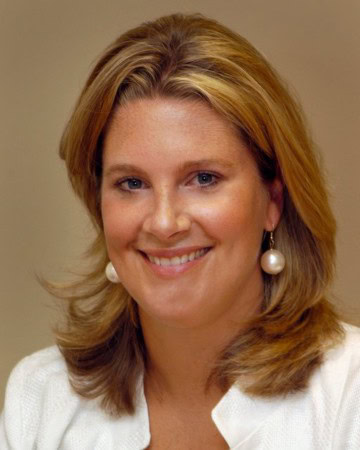
PhD, MPH, RN, CDCES, FAHA, FPCNA, FAAN
