







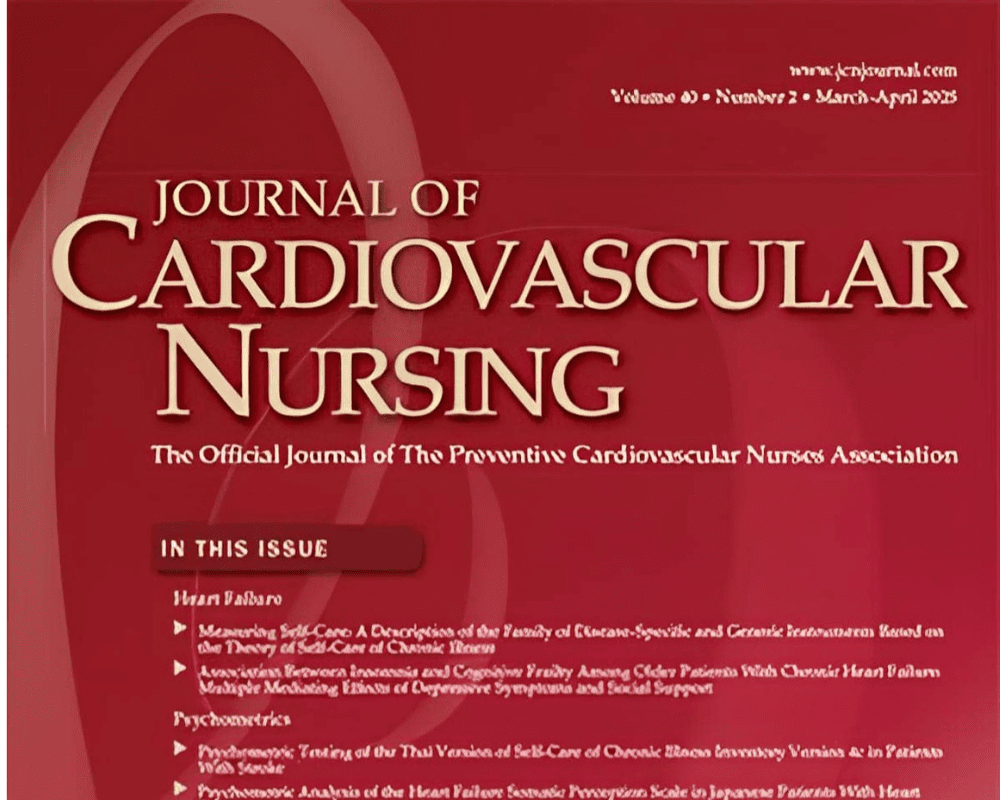
In our commitment to advancing cardiovascular health, PCNA’s Advocacy Committee presents a call to action in the fight against obesity and its profound impact on cardiovascular disease (CVD). Members of the Advocacy Committee authored a call to action in the May/June 2025 issue of the Journal of Cardiovascular Nursing‘s “Progress in Prevention” column. The article sheds light on the growing prevalence of obesity as a complex issue and the urgent need for a multimodal, interdisciplinary response, with cardiovascular nurses uniquely positioned to lead the charge.
The Growing Burden of Obesity and Cardiovascular Disease
Recent reports have unveiled concerning trends in obesity and its cardiovascular consequences, including the following that were highlighted in the call to action:
- Nearly 42% of adults in the United States have been diagnosed with obesity, compounding the burden of CVD and heart failure—the leading causes of morbidity and mortality worldwide.
- In 2023, obesity-related medical costs added an additional $1,514 per person to the annual direct cost of healthcare, with the greatest potential savings among patients with obesity-related comorbidities.
- Despite evidence that modest to moderate weight loss significantly reduces healthcare costs and improves cardiovascular outcomes, anti-obesity medications (AOMs) remain underutilized—largely because of a lack of widespread insurance coverage, a barrier that diverges from how other chronic diseases are treated.
- Socioeconomic inequities in access to healthcare, safe spaces for physical activity, and healthy foods correlate with a greater incidence of obesity within minority and low-income communities, while weight stigma further delays aggressive, evidence-based care.
Empowering Change: A Multimodal Approach to Obesity Management
The call to action recommends treatment plans that are multilayered and personalized, integrating lifestyle modifications, pharmacotherapy, and, in some cases, procedural or surgical interventions. Grounded in the American College of Lifestyle Medicine’s six pillars—nutrition, physical activity, sleep, stress management, social connection, and avoiding risky substances—and the American Heart Association’s guidance on comprehensive, multidisciplinary obesity care, targeted interventions include
- Food is Medicine: emphasizes the role of food in manaing obesity and cardiovascaular risks;
- Exercise is Medicine and FITT prescriptions: use the Frequency, Intensity, Time, and Type principle to guide individualized physical activity plans;
- Goal setting and tracking: support patients with realistic weight loss targets (eg, 5%–10% of body weight) and tools such as food diaries, apps, and journaling to stay accountable;
- Behavioral education and counseling: identify barriers and provide cognitive behavioral interventions to support healthy habit formation;
- Program integration and referral pathways: connect patients to behavioral medicine, endocrine, sleep medicine, and bariatric surgery services; and
- Anti-obesity medications: incorporate FDA-approved therapies into medically supervised obesity management programs.
Nurses Leading Change
Cardiovascular and advanced practice nurses remain at the forefront of effecting transformative change in obesity management. Through trusted, empathetic relationships, nurses can address sensitive issues like weight management and foster the therapeutic connections vital to engaging patients in effective strategies.
Nurses’ roles extend beyond traditional care to health education, behavior modification, and care coordination across interdisciplinary teams. Nurse-led obesity programs—similar to hypertension clinics—have shown promise in improving outcomes through individualized counseling, weight and cardiovascular risk monitoring, and education on diet and exercise.
In implementing newer pharmacological therapies, nurses and advanced practice nurses are essential in identifying patients who may benefit, facilitating informed shared decision-making through patient education, and closely monitoring progress, adherence, and adverse effects.
Given the barriers surrounding obesity management, it is imperative that nurses also engage in advocacy efforts to eliminate weight stigma, address disparities in care, and ensure equitable access to evidence-based treatments.
References
- Bryant, E., Laing, K., Langdon, K. D., Salisbury, H., & Villavaso, C. D. (2025). Leading the Charge in Obesity Management: A Call to Action for Cardiovascular Nursing. Journal of Cardiovascular Nursing, 40(3), 194–197. https://doi.org/10.1097/JCN.0000000000001192
Last Updated on
October 27, 2026
Published on
March 27, 2025
Related Resources
Sorry, we couldn't find any resources.
