







About
Kidney
Disease
The relationship between the heart and kidneys is deeply interconnected, with chronic kidney disease (CKD) and cardiovascular disease (CVD) often existing as comorbid conditions. This bidirectional relationship, known as cardiorenal syndrome, significantly increases morbidity and mortality. As nurses, understanding the complexities of this connection is crucial for early intervention, patient education, and comprehensive care.
The shared risk factors of CKD and CVD, such as diabetes, hypertension, and obesity, create a vicious cycle. Nurses can facilitate timely care by closely monitoring patients for early signs of CKD and CVD. Nurses play a key role in managing symptoms, ensuring routine monitoring of renal and cardiac function, and supporting patients in navigating complex treatment plans.
By addressing the heart-kidney connection holistically, nurses are essential in improving outcomes for patients with CKD and CVD, reducing complications, and enhancing quality of life.
Resources
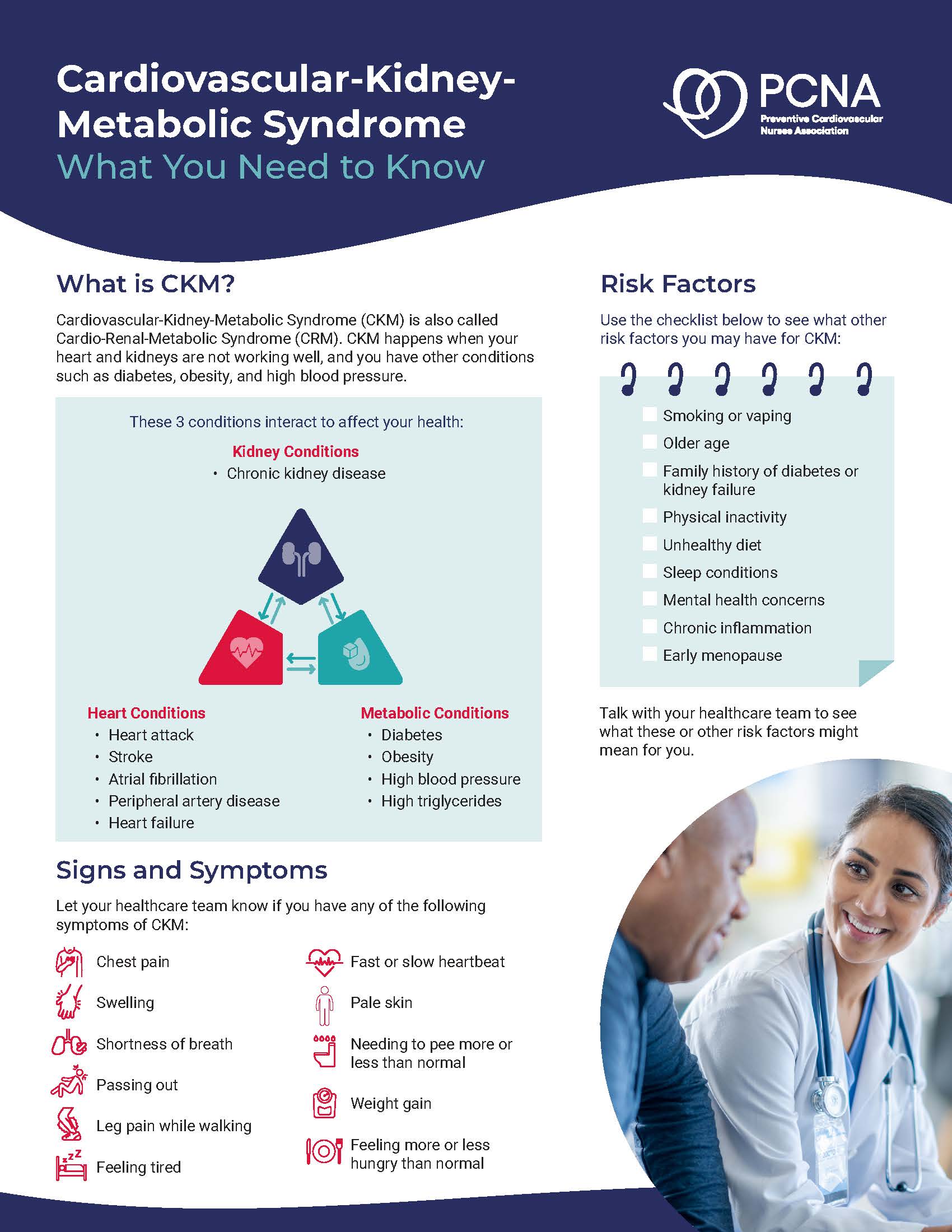
Patient Education Handouts
Cardiovascular-Kidney-Metabolic Syndrome: What You Need to Know
May 11, 2026
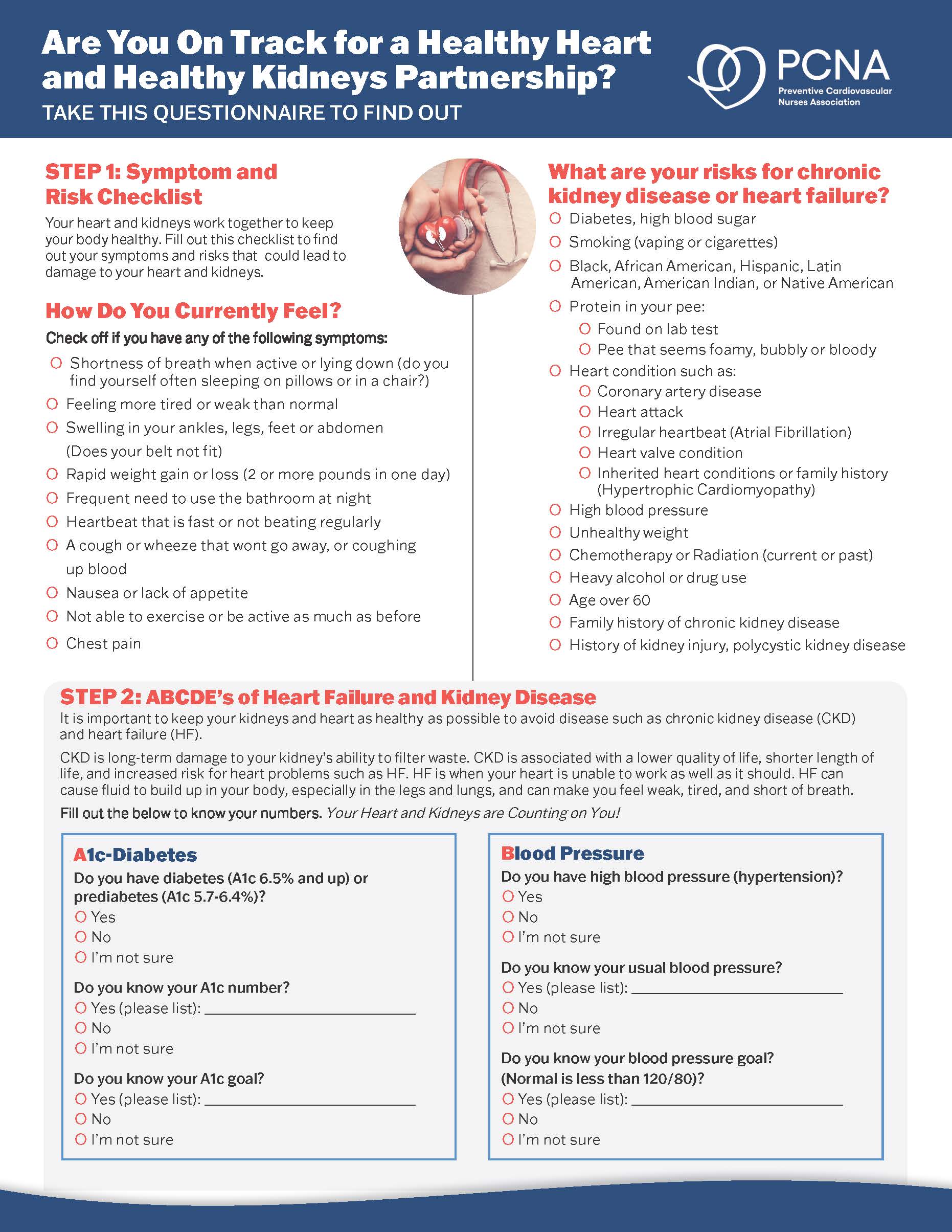
Courses
0.8 CE contact hours
0.8 Pharmacology contact hours
Free
0.75 CE contact hours
0.25 Pharmacology contact hours
Free
News
Sorry, we couldn't find any news.
Podcast Episodes

Coronary Artery Disease (CAD), Diabetes, Kidney Disease, Obesity Management
Obesity’s Impact: A Triple Threat to Heart, Kidneys, and Metabolism
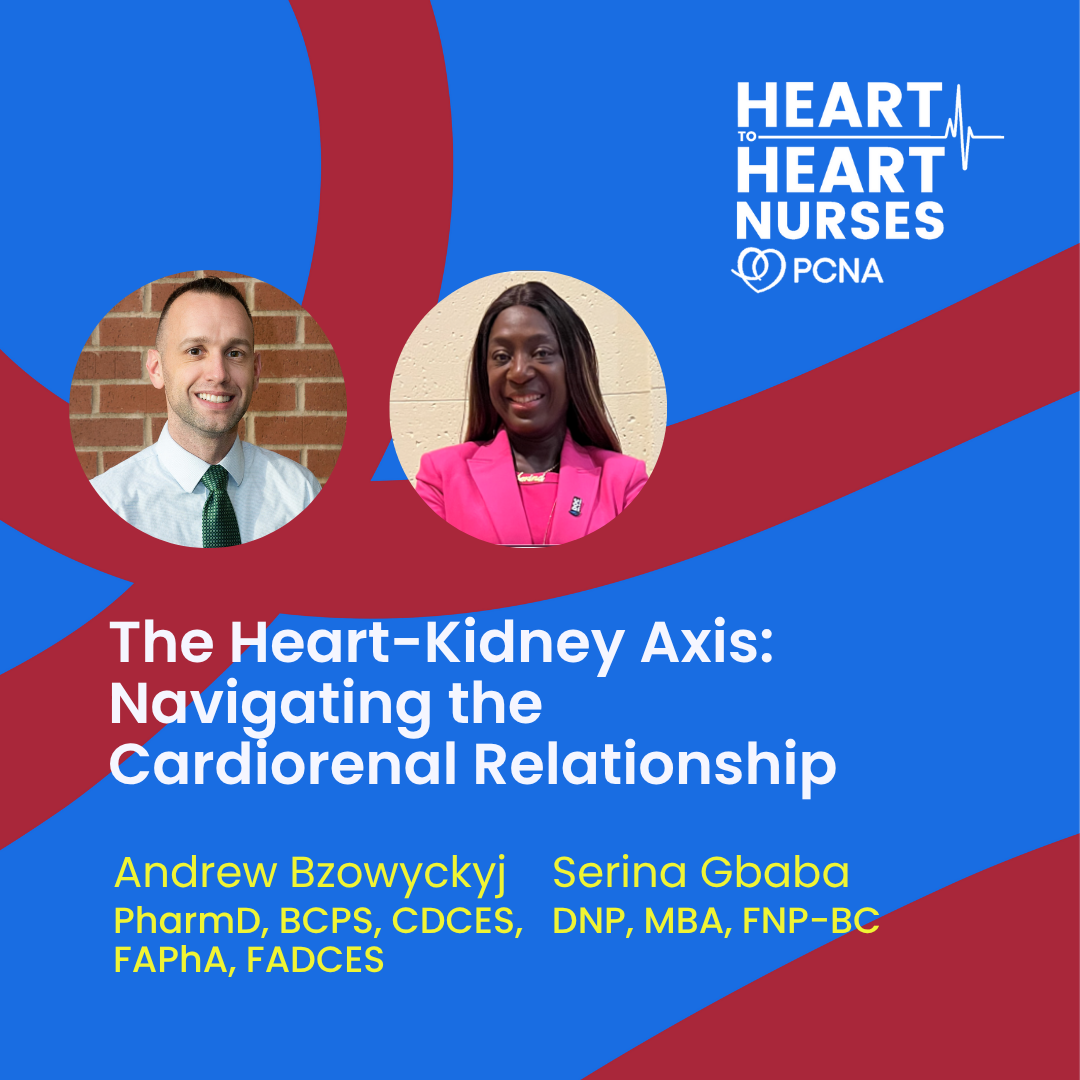
Coronary Artery Disease (CAD), Diabetes, Kidney Disease, Obesity Management
The Heart-Kidney Axis: Navigating the Cardiorenal Relationship
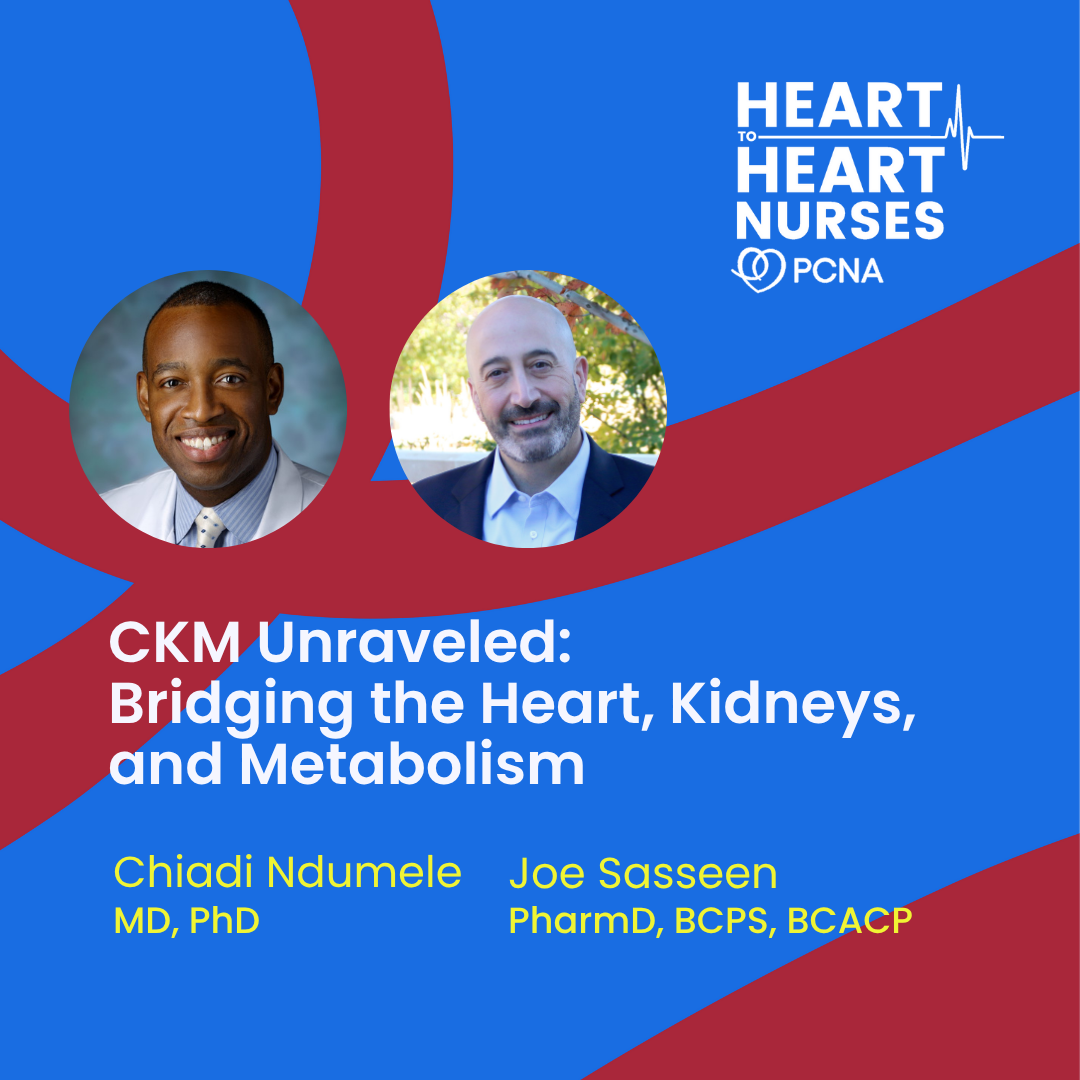
Coronary Artery Disease (CAD), Diabetes, Kidney Disease, Obesity Management
CKM Unraveled: Bridging the Heart, Kidneys, and Metabolism
