







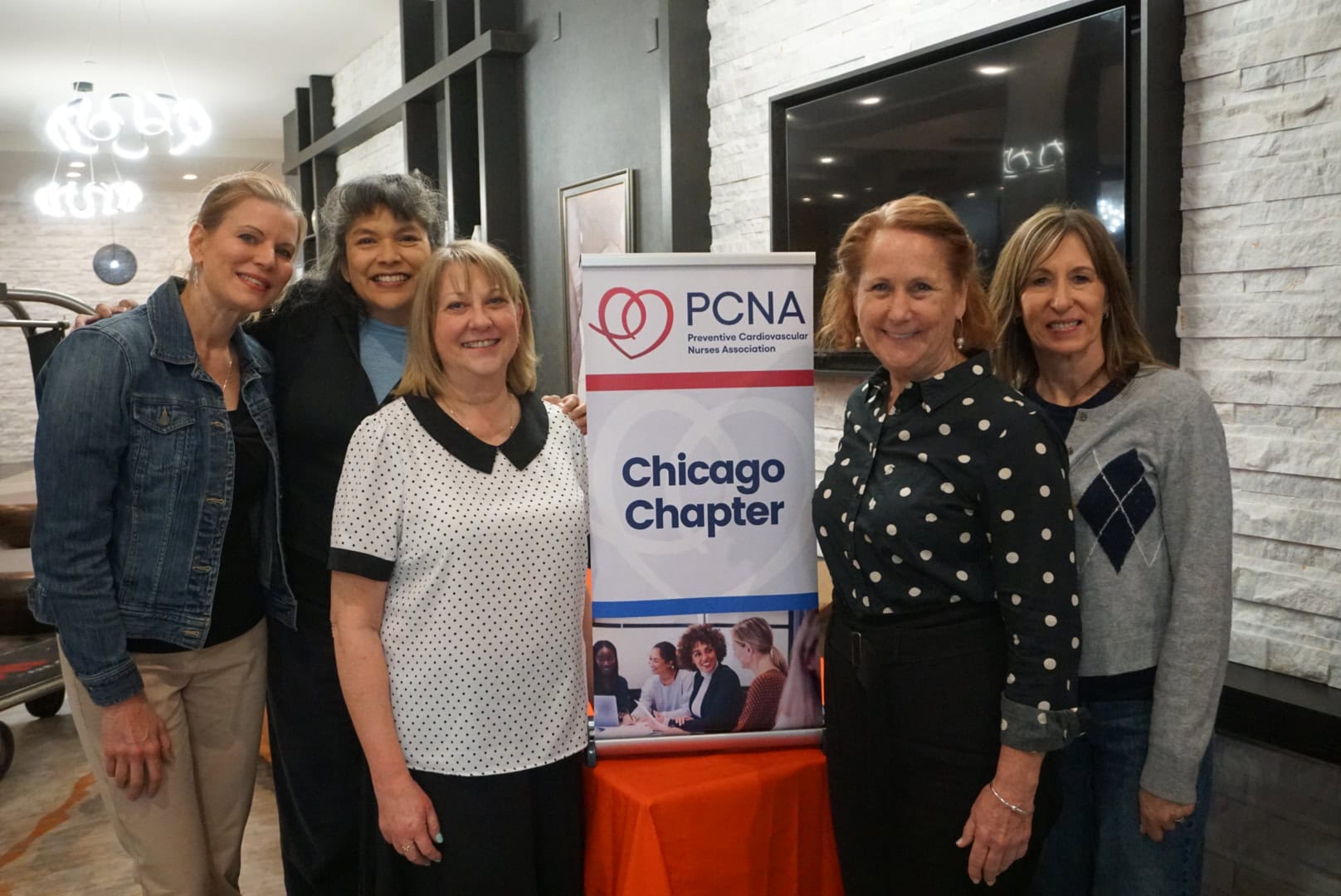
Everything You Need to Know to Run a PCNA Chapter
The following resources can be considered your manual for running a PCNA chapter and will give you all the tools and information you need!
Start A Chapter
Chapter Events
Hosting a Successful Event
Leadership Teams
Sponsorship
CE Library
Submitting Original CE Content
Steps to Start a Chapter
Follow the four steps below to assess feasibility, build your leadership team, and launch a chapter that connects local nurses through education and networking.
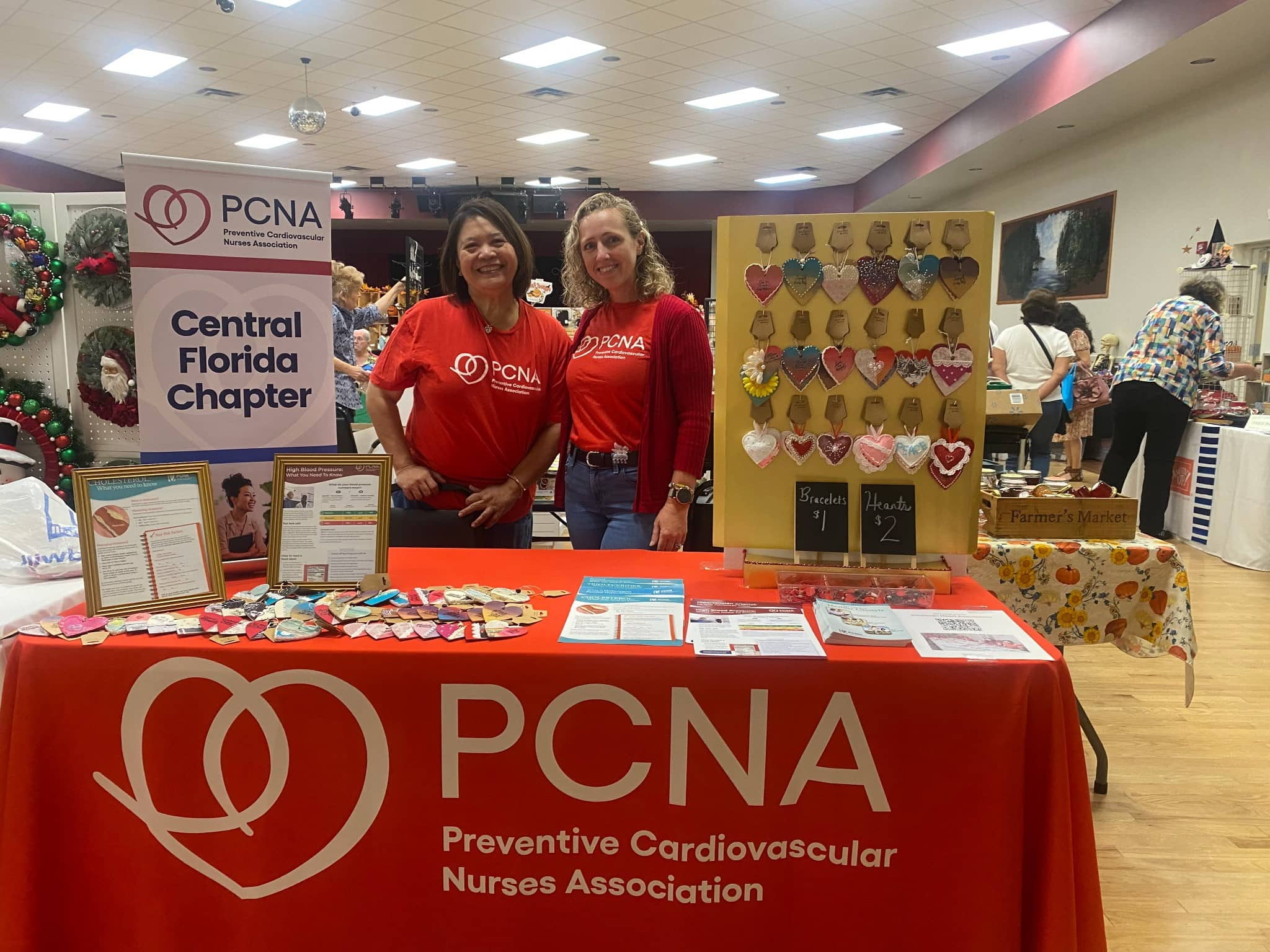
Step 1: Determine Feasibility
It is important to determine the need for a local chapter in your area. Chapters provide the opportunity for additional education and networking among colleagues. Additionally, be sure to determine that there are a sufficient number of nurses in the geographical area to support the formal structure of a chapter.
- Establish proposed boundaries of the new chapter. Keep in mind:
- Travel time to meetings (≤ 1 hours by car)
- Proximity of other chapters
- Determine current PCNA presence in your area by asking the national office to send you a list of potential chapter members within the proposed boundaries. (Please include a zip code and mile radius). Email your request to Mariel Snyder.
- Determine potential chapter members by reaching out to nurses at your place of work. A reminder: you do not need to be a PCNA member to join and attend chapter events.
Step 2: Identify Leadership
It is important to have support from colleagues in chapter start-up. Identify 1-3 individuals who will commit to spending time planning chapter events. Another option is to reach out to the PCNA community and see if there is any interest in co-leading or joining your leadership team.
Step 3: Time Requirements
As a chapter leader, you must be willing to manage all aspects of your chapter, including planning a minimum of 1 event a year, attending two chapter leader conference calls a year, and, when possible, attending the PCNA's Cardiovascular Nursing Symposium. Make sure you can make the commitment before you start a chapter.
Step 4: Contact the National Office
Still up for a rewarding challenge? Contact Mariel Snyder, Senior Membership and Chapter Lead at the PCNA National Office by phone at 608-250-2440 or via email to set up your online petition. Once your potential chapter receives 15 signatures, we’ll set up your webpage and discuss the details of hosting your first event. You do not need to be a PCNA member to sign the petition.
Learn More
Explore these topics further to learn more about calculating your risk.
Chapter Events
Hosting a Successful Event
Leadership Teams
Sponsorship
CE Library
Submitting Original CE Content
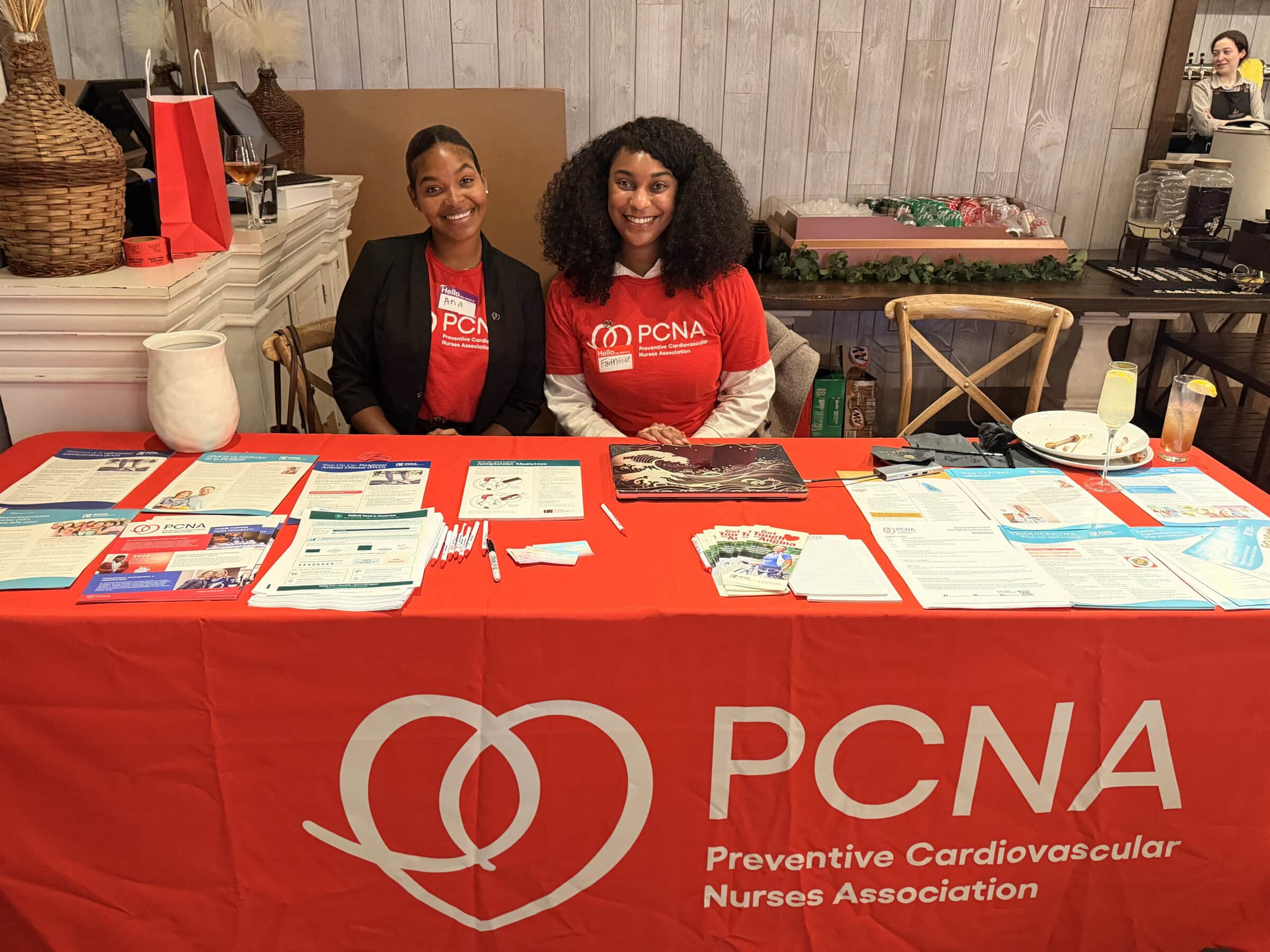
Chapter Events
The steps below walk you through planning a successful chapter event with support from the national office.
Decide on the Date/Time/Location
Determine the date of your program. Typically, weekday events take place in the evening, and weekend events take place in the morning. Choose a location that is central to attendees if possible. You can choose to host your program at a restaurant (with a private dining area and AV capabilities), community center, library, hospital, or a hotel if there are reasonable accommodations available. Be creative! Make sure AV is available at your venue.
Budget
PCNA will cover the cost of your program. All budgets are unique and based on your estimated attendance and the region in which you are located. If possible, you will be assigned a 1-hour non-CE presentation to your agenda to help offset costs.
CE Topic & Agenda
Choose a CE slide deck from the CE library or submit your own original content. Then set an agenda for the program. An example agenda for a weekday evening program is below.
5:30 pm – Welcome and Sign-In
5:45 pm – 1-hour CE presentation (10-15 min of Q & A)
6:45 pm – 1-hour CE presentation (10-15 min of Q & A)
7:45 pm – Closing
Speakers
Identify a speaker who is knowledgeable about the CE topic you choose. They will need to complete a Bio, Disclosure, and a W9 if you wish to offer an honorarium of $500 per 1 CE hour presented.
Communication
The national office will send out email invitations to PCNA nurses assigned automatically to your chapter based on their zip code. Emails will be sent 6 weeks, 4 weeks and 2 weeks prior to your program. Event details and a registration link will be included in these emails. A final email reminder will go out to registrants a few days prior to your event.
Materials
The following items will be sent to you prior to your event:
- Tablet (used for attendee sign-in)
- Introduction PCNA PowerPoint slides
- Program agenda
- PCNA pens and notepads
- Patient education materials
- Name tags
- Satisfaction survey
- Raffle Ticket (PCNA membership and CVN registration are prizes)
- Drink tickets (1 alcoholic drink is included per attendee)
The Beginning of Your Event
Make sure all attendees sign the sign-in sheet on your tablet, as this is the only way they will be sent an instructional email describing how to obtain their CE certificate.
The End of Your Event
Send any final receipts and pictures to the National Office.
National Office Address
PCNA National Office
Attn: Mariel Snyder
613 Williamson Street STE 205
Madison, WI, 53703
Chapter Marketing
Chapter Webpages
In an effort to build chapter awareness, PCNA provides each chapter with its own chapter webpage on the PCNA website. Each chapter page lists:
- Chapter President & contact information
- Chapter Leadership Team Members
- A description of the chapter & area it serves
- A calendar of local chapter events
- Chapter photos
Although the PCNA National Office will occasionally monitor these pages, it is the responsibility of the PCNA chapter to monitor your chapter page and submit any changes to the National Office. Changes, photos, and events can be emailed to Mariel Snyder.
Event Flyer
A flyer with your event information will be provided that includes a unique QR code for your event registration.
Learn More
Explore these topics further to learn more about calculating your risk.
Start A Chapter
Hosting a Successful Event
Leadership Teams
Sponsorship
CE Library
Submitting Original CE Content
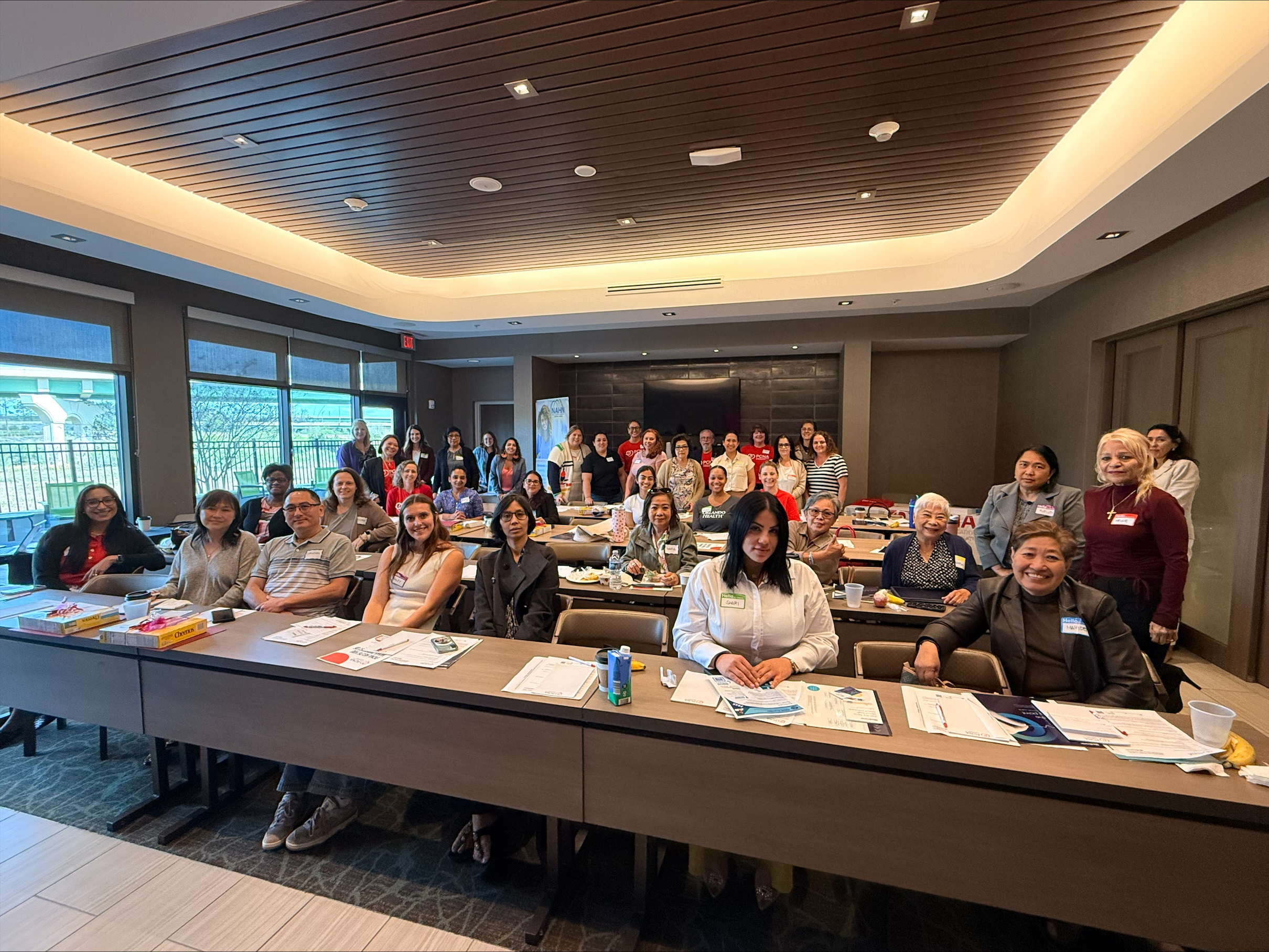
Hosting a Successful Chapter Meeting
The additional tips below will help you host successful chapter meetings.
Communication with Your Fellow Chapter Leaders
Attend the 2 chapter leader conference calls a year and connect with PCNA chapter leaders.
Updating Your Chapter’s Webpage
Keeping your Chapter’s webpage updated is a wonderful way to keep your members aware of upcoming events and changes in the Leadership Team. Send all updates to Mariel via email.
Pictures are a great way to visually represent different events your chapter hosts. Be sure to share photos you would like on your chapter’s webpage.
Mentoring Program
New Chapter Leaders can be assigned a mentor, or another Chapter Leader, who has demonstrated marked success in promoting the mission and goals of PCNA in their Chapter region. If you are interested in being a mentor or participating in this program contact Mariel Snyder.
FAQs
Q: Can we collect money at the event? Or would this have to go through PCNA?
A. Because of our status as a 501(c)(3), we can’t allow organizations/chapters that fall under our umbrella to collect money independently.
Q: Can our meeting be a hybrid virtual and in-person event?
A. Yes, if your venue has the feasibility to support a virtual option
Q. We want to send a survey out to our chapter members – do we need to work through PCNA for this?
A. Yes, if you send Mariel the survey questions, she can send the survey to your chapter list.
Q. Why can’t I just email my chapter members directly?
A. Due to spam laws, PCNA is unable to provide the email addresses of our nurses. One needs to be able to unsubscribe from a mailing, which is not possible through a personal email. All emails go through the PCNA email platform.
Q. What is the purpose of chapter meetings?
A. Although attracting new members is one purpose of chapter events, it isn’t the main goal. Chapter Leaders should focus the mission of their chapters on the below:
- Provide high-quality continuing education to nurses on relevant and engaging topics
- Provide leadership opportunities for the PCNA nursing community
- Provide networking opportunities for local nurses
- Help spread the word about PCNA and grow PCNA membership
Learn More
Explore these topics further to learn more about calculating your risk.
Start A Chapter
Chapter Events
Leadership Teams
Sponsorship
CE Library
Submitting Original CE Content
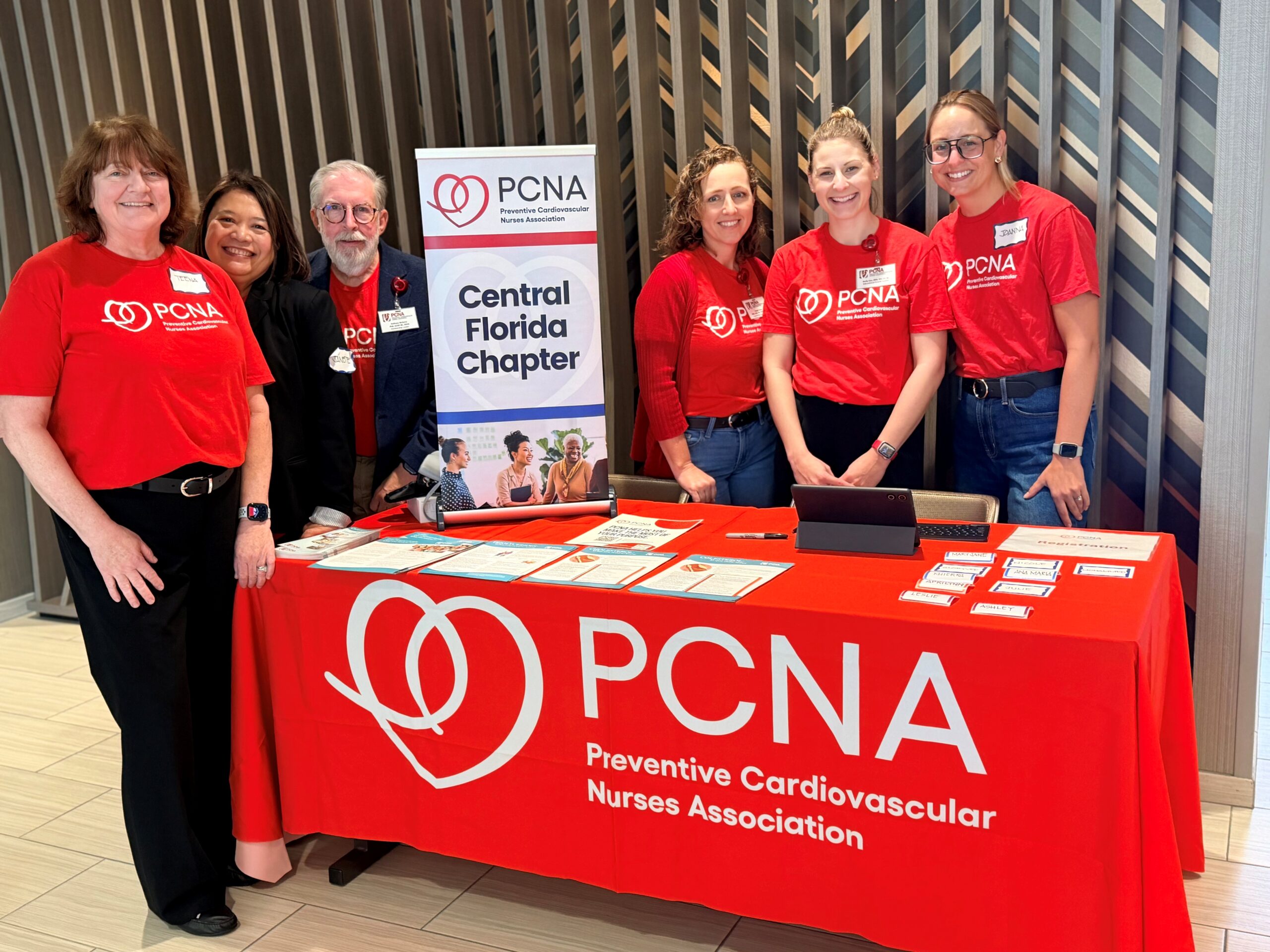
Chapter Leadership Teams
Building a strong chapter leadership team is essential to lightening the load of chapter leadership. By distributing responsibilities across defined roles, chapters ensure programs run smoothly and the chapter continues to thrive year after year.
Chapter President
The Chapter President serves as the primary point of contact between PCNA’s national office and the chapter and provides overall leadership for chapter activities.
Responsibilities include:
- Serve as the primary point of contact between PCNA and the chapter
- Host a minimum of one CE program each year
- Respond to PCNA communications and check-in requests in a timely manner
- Work with the Leadership Team to determine program dates, venue, food and beverage, CE topics, and speakers by established deadlines
- Work within the appropriate event budget based on anticipated attendance and venue
- Ensure final event details, including receipts and attendance/sign-in information, are submitted to PCNA
- Represent the chapter on biannual Chapter Leader calls
- Complete the Annual Chapter Review
- Attend the Cardiovascular Nursing Symposium, either in person or virtually
Chapter Vice President
The Chapter Vice President supports the Chapter President and helps provide continuity and succession planning for the chapter. For succession planning, each chapter is encouraged to identify and develop a Chapter Vice President.
Responsibilities include:
- Step into the Chapter President role when the current President steps down
- Assist the Chapter President with program planning and chapter activities
- Support the Leadership Team as needed
Chapter Communications & Marketing Leader
Supports the chapter’s communication efforts and helps increase awareness and engagement within the local nursing community.
Responsibilities include:
- Regularly review the chapter webpage and ensure information is current
- Review chapter event flyers and distribute them throughout the community
- Work with the Leadership Team to identify opportunities to reach new audiences and increase chapter attendance
Chapter Membership & Engagement Leader
Helps create a welcoming experience for attendees and encourages continued engagement with the chapter.
Responsibilities include:
- Welcome attendees at chapter programs
- Manage the sign-in process and help create a welcoming environment
- Identify and lead engagement activities during chapter events
- Encourage attendees to remain connected with the chapter and PCNA
Chapter Event Leader
Supports the planning and on-site coordination of chapter events.
Responsibilities include:
- Identify the event venue and serve as the primary contact for the on-site coordinator
- Work with the venue to coordinate event logistics, including room setup, audiovisual needs, and meal timing
- Submit the final attendee headcount by the venue’s deadline
- Ensure the final venue receipt is submitted to PCNA
Chapter Education Leader
Supports the educational planning and CE requirements for chapter programs.
Responsibilities include:
- Work with the Leadership Team to identify CE topics and speakers
- Ensure required speaker documents are completed
- Complete and submit required documentation related to the CE presentation
- Work with PCNA to ensure all educational requirements are met
Chapter Community Engagement Leader
Helps connect the chapter with opportunities to engage nurses and the broader community.
Responsibilities include:
- Identify community outreach and engagement opportunities
- Share community engagement opportunities with the Leadership Team and help coordinate participation
- Work with the national office to ensure the chapter has the appropriate materials and resources needed for community events
Learn More
Explore these topics further to learn more about calculating your risk.
Start A Chapter
Chapter Events
Hosting a Successful Event
Sponsorship
CE Library
Submitting Original CE Content
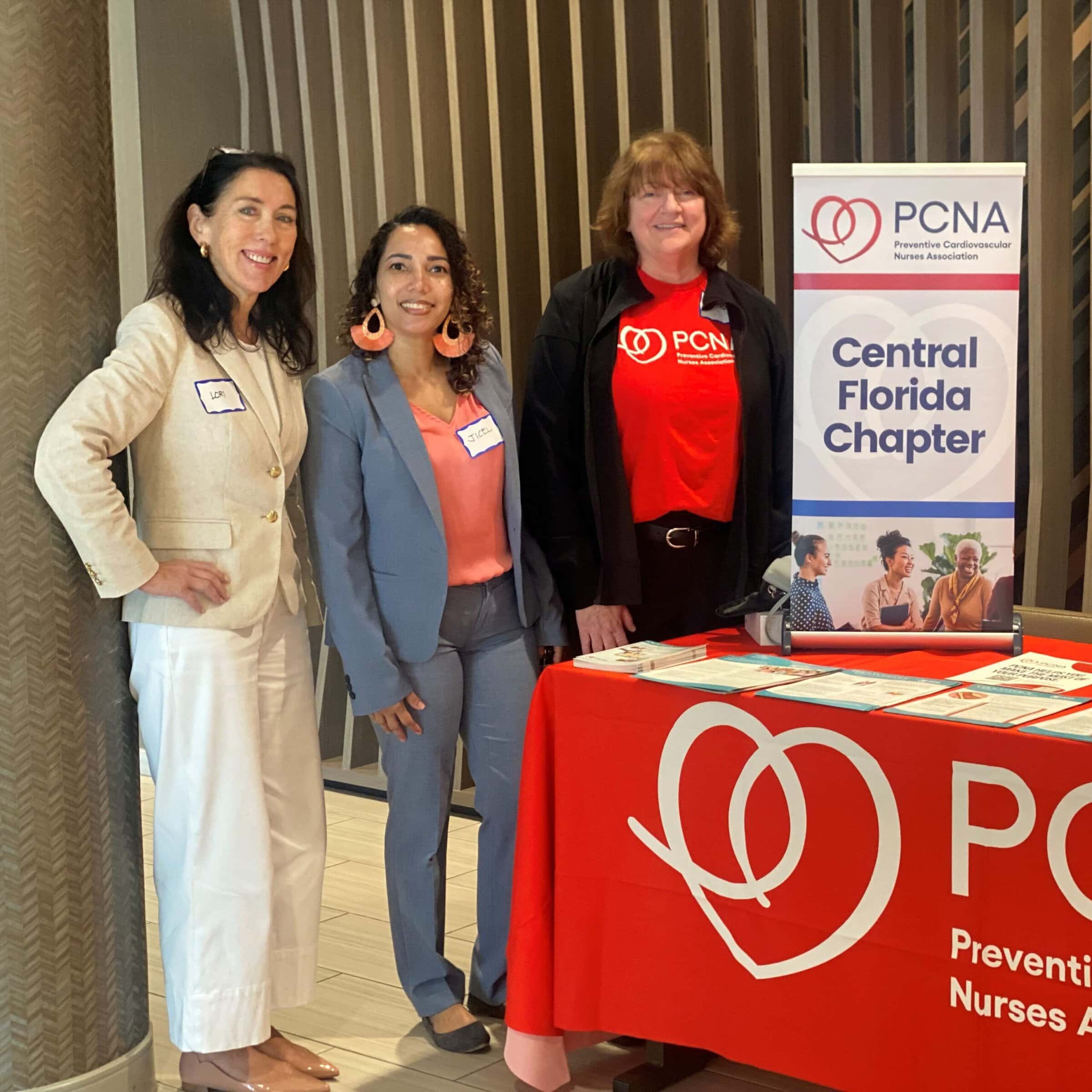
Sponsorship
While the national office is responsible for securing sponsorships that support our chapter programs, it is helpful to understand the ins and outs of sponsored events.
Sponsorship Policy
All chapter programs are free to all attendees. PCNA is able to offer these programs at no cost in part through chapter meeting sponsorships. Working with local sponsors helps to build lasting relationships that can help support future meetings and help to grow your chapter. The national office works hard to secure sponsors for all of our programs; however, sometimes chapters are approached individually by local sponsors unknown to us.
- Sponsors will pay a flat fee to the PCNA National Office.
- The sponsor will not pay the restaurant bill directly. The sponsor sends the National Office a check directly.
- PCNA National will pay for the restaurant deposit and bill.
- The Chapter alone is responsible for creating the content for the CE portion of the program or selecting content from the CE library. The sponsor may not weigh in on subject matter, content, or speaker choices for the CE portion of the event.
- PCNA cannot provide CE credit for programs created by a sponsor. AANP is very clear about PCNA’s CE status as an approved provider, not an approver of CE.
Additional Notes about Sponsorship
Use the following statement before and after the CE portion of the event.
“This is the CE portion of this PCNA event. You will receive {X} amount of continuing education on the following CE program {Title of Program}.”
Signs are great if you have them; a PowerPoint slide should also be used between the commercial presentation and CE portion to distinguish the two parts.
A commercial event/product theater is a presentation given by an outside vendor that is selling or promoting a product.
Learn More
Explore these topics further to learn more about calculating your risk.
Start A Chapter
Chapter Events
Hosting a Successful Event
Leadership Teams
CE Library
Submitting Original CE Content
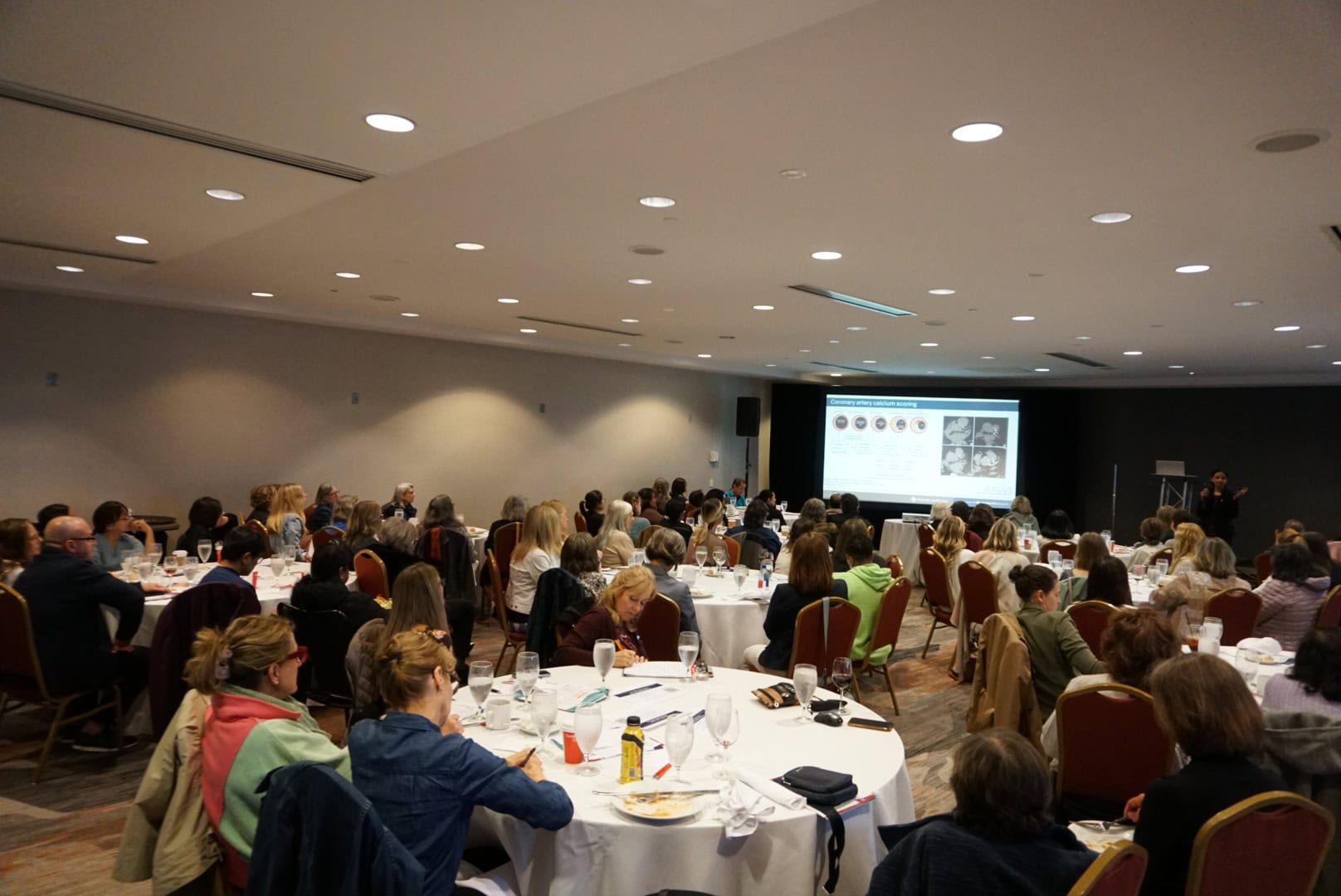
Chapter CE Library
Below is a list of ready-to-go slide decks that Chapter Leaders can use for their Spring or Fall Learning Series. Once a chapter has presented a slide deck, they may not present it again.
2026
Next-Gen Hypertension Management: Cutting-Edge Strategies for CV Nurses (1.0 CE)
Learning Objectives
- Describe updated hypertension classification thresholds and diagnostic approaches.
- Identify evidence-based pharmacologic, procedural, and lifestyle treatment strategies.
- Examine the role of digital health tools in hypertension monitoring and management.
- Apply patient-centered approaches to individualized hypertension care.
Cholesterol Management: Implementing the New Guidelines (1.0 CE)
Learning Objectives
- Summarize the major updates in the newly released cholesterol management guidelines, including changes to risk assessment, thresholds and treatment.
- Explain lipoprotein(a) (Lp(a)) and the increased CVD risk when it is elevated.
- Describe the updated recommendations for lipid testing frequency, including Lp(a) measurement, and articulate why early identification of high-risk markers is critical for preventing ASCVD progression.
- Detail the expanding responsibilities of cardiovascular nurses in implementing testing protocols, monitoring response to therapy, and educating patients on lipid management.
2025
Pulmonary Hypertension: From Examination to Management (1.0 CE)
Learning Objectives
- Examine assessment, diagnosis, and staging of Pulmonary Hypertension (PH)
- Explain the risks of vascular and right ventricular remodeling when PH is under-treated or untreated
- Compare and contrast the mechanisms of action of traditional and novel therapies for PH management
- Explore the role of the CV RN in a team-based care approach to PH management
2024
CVD Jeopardy (1.0 CE)
Learning Objectives
- Review of key concepts of cardiovascular disease states including heart failure, diabetes, obesity, cholesterol, and stroke
- Discuss considerations of advanced cardiovascular disease states including HCM, ATTR-CM, arrhythmias, and vascular disease
- Explore nursing care management and nursing communication techniques
- Apply knowledge of cardiovascular disease states using gamification
Hypertrophic Cardiomyopathy: Advances in Disease Management (1.0 CE)
Learning Objectives
- Review signs and symptoms of HCM to aid earlier recognition
- Explain the differential diagnosis process to rule out non-HCM causes of left ventricular hypertrophy
- Explore the role of novel cardiac myosin inhibitor drug class on HCM treatment
- Examine best practices from a high-volume HCM center in access and adherence to novel treatment
Nurse Leaders: Successful Strategies and Tips to Help Along the Way (0.5 CE – 1.0 CE)
Learning Objectives
- Describe varying leadership styles applicable to nursing
- Discuss application of leadership strategies in nursing
- Explore the benefits and responsibilities of being a mentor and a mentee
Cardiac Amyloidosis: Increasing Awareness and Understanding (1.0 CE)
Learning Objectives
- Review the prevalence and prognosis of risk for cardiac amyloidosis in heart failure patients, emphasizing early diagnosis for improved outcomes
- Discuss the distribution of and inequities in diagnosis and care for cardiac amyloidosis across patient populations, including race, ethnicity, and gender
- Examine the evolving signs and symptoms of cardiac amyloidosis subtypes (hereditary and wild type) as seen in diagnostic imaging, including evidence-based treatments for each
- Explore the role of the cardiovascular nurse in cardiac amyloidosis treatment and management, highlighting promotion of shared-decision making to empower patients to play an active role in their care
Nurse Health and Well-Being (1.0 CE)
Learning Objectives
- Identify the physical health concerns found to be prominent in the nursing population.
- Review the impact of burnout, current workforce issues, and stress on the mental health of nurses.
- Discuss occupational health and safety, including variations and methods to leverage employer wellness programs and workplace environment issues to promote healthy lifestyles and health attainment by nurse employees.
- Explore best practices and innovation in self-care and health promotion of the nursing workforce.
Maternal Mortality & Cardiovascular Disease (1.0 CE)
Learning Objectives
- Describe cardiovascular and cardiometabolic complications of pregnancy including long-term risks across the lifespan.
- Discuss the impact of social determinants of health and implicit bias on cardiovascular-related maternal mortality.
- Review current women’s health guidelines, policies, and recommendations.
- Discuss best practices to prevent maternal mortality including improved hypertension monitoring, increased access to perinatal appointments, and more.
The Basics of 12 Lead ECG Interpretation (1.0 CE)
Learning Objectives
- Explain which wall of the heart is being affected by abnormalities seen in 12-lead ECGs.
- Identify which coronary artery is being affected based on 12-Lead ECG findings.
- Discuss patient care considerations of specific ECG findings, including electrolyte imbalances, Takotsubo Cardiomyopathy, QT prolongation, ventricular hypertrophy, atrial enlargement, and bundle branch blocks.
- Apply knowledge of 12-lead interpretation techniques.
Learn More
Explore these topics further to learn more about calculating your risk.
Start A Chapter
Chapter Events
Hosting a Successful Event
Leadership Teams
Sponsorship
Submitting Original CE Content
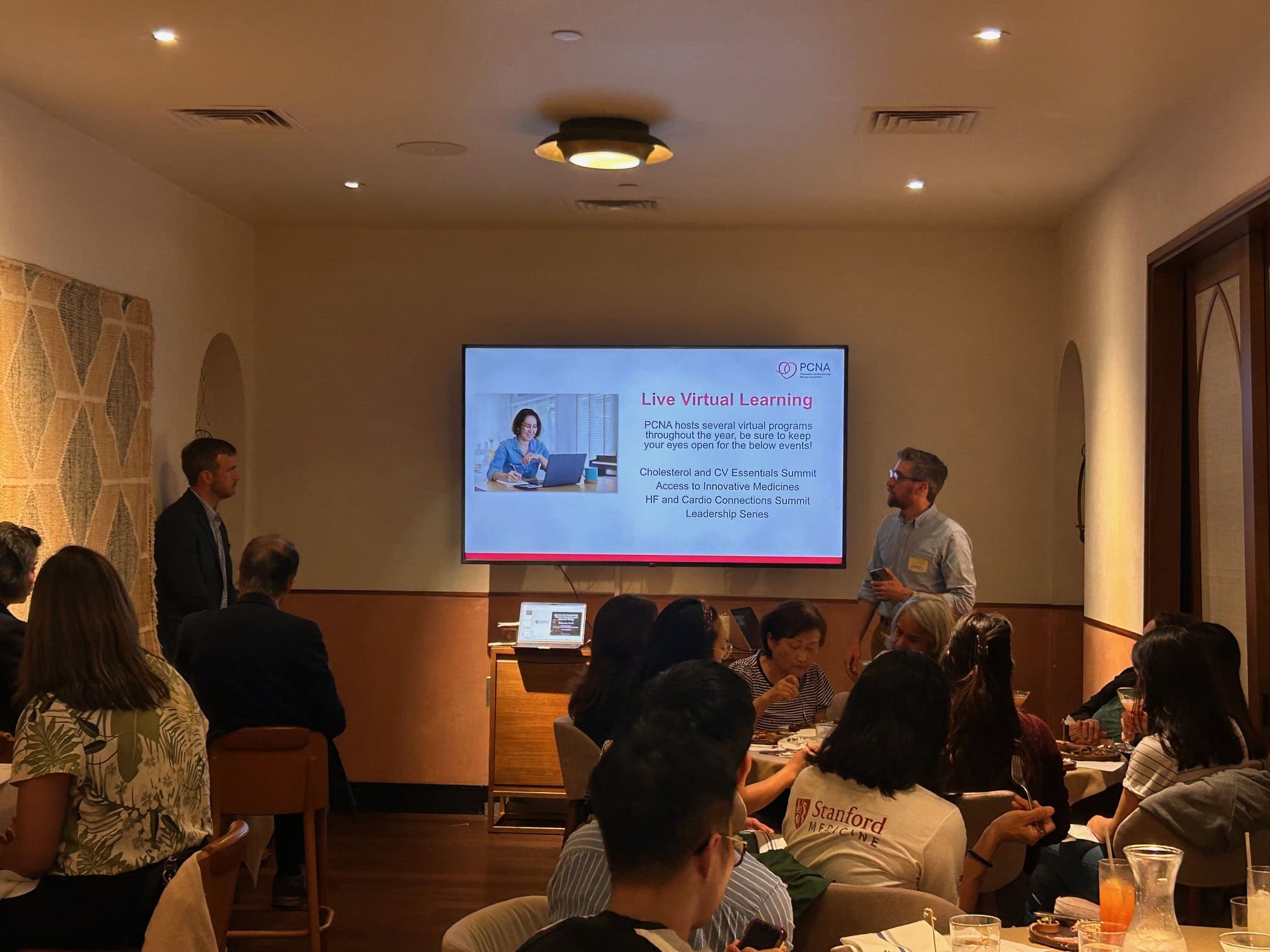
Submitting Original CE Content
We appreciate your commitment to ensuring that PCNA develops high-quality continuing education programs. Please refer to the guidelines below when working with staff, committees, authors, and faculty in program development.
Needs Assessment
- Literature review demonstrates that a problem or educational/clinical practice gap exists
- Literature review shows that nurse-managed cases improve patient outcomes
- Survey data from PCNA members and program evaluations demonstrate educational needs
Objectives and Content Summaries
- Objectives and content summaries are developed based on the findings in the needs assessment
- All objectives are written in a manner in which, when evaluated by participants for having been achieved, may be measured for effectiveness.
- Effective verbs to use in writing measurable educational objectives include: Cite, Define, Identify, List, Apply, Implement, Develop, Integrate, Summarize, Compare, Contrast
- Categorize, Describe, Classify, Explain, Calculate, Perform, Outline, Distinguish, Demonstrate
- All objectives and content summaries are free of commercial bias
- All objectives and content summaries demonstrate that this activity will exceed the learner’s basic nursing education
Authors/Faculty
- The authors/faculty selected are qualified to develop/present material to an NP or higher level audience, including those identified as the target audience.
- The authors/faculty selected to develop/present this material have no perceived conflicts of interest, such as serving on an industry’s speakers bureau in the same general clinical area, or being an employee of the sponsoring company.
- In the case of perceived conflict of interest, the planning committee shall work with those involved in development to determine if, upon further investigation the author/faculty member should be allowed to continue or should be dismissed.
Necessary Documentation for PCNA CE Providership
Before CE Event
- Speaker Bio (Completed by Speaker)
- Speaker Disclosure (Completed by Speaker)
- CE Program Outline Form (Completed by Speaker)
- CE Planning Disclosure Form (Completed by Chapter)
- Application for CE (Completed by Chapter)
During CE Event
All attendees must mark their attendance on the tablet. If they did not pre-register, they must provide their email address. This is the only way we can send them an informational email after the event with instructions on how to obtain their CE.
After CE Event
Provide National Office with the attendee list via email, fax, or by mail.
