






Clinical and Patient Tools
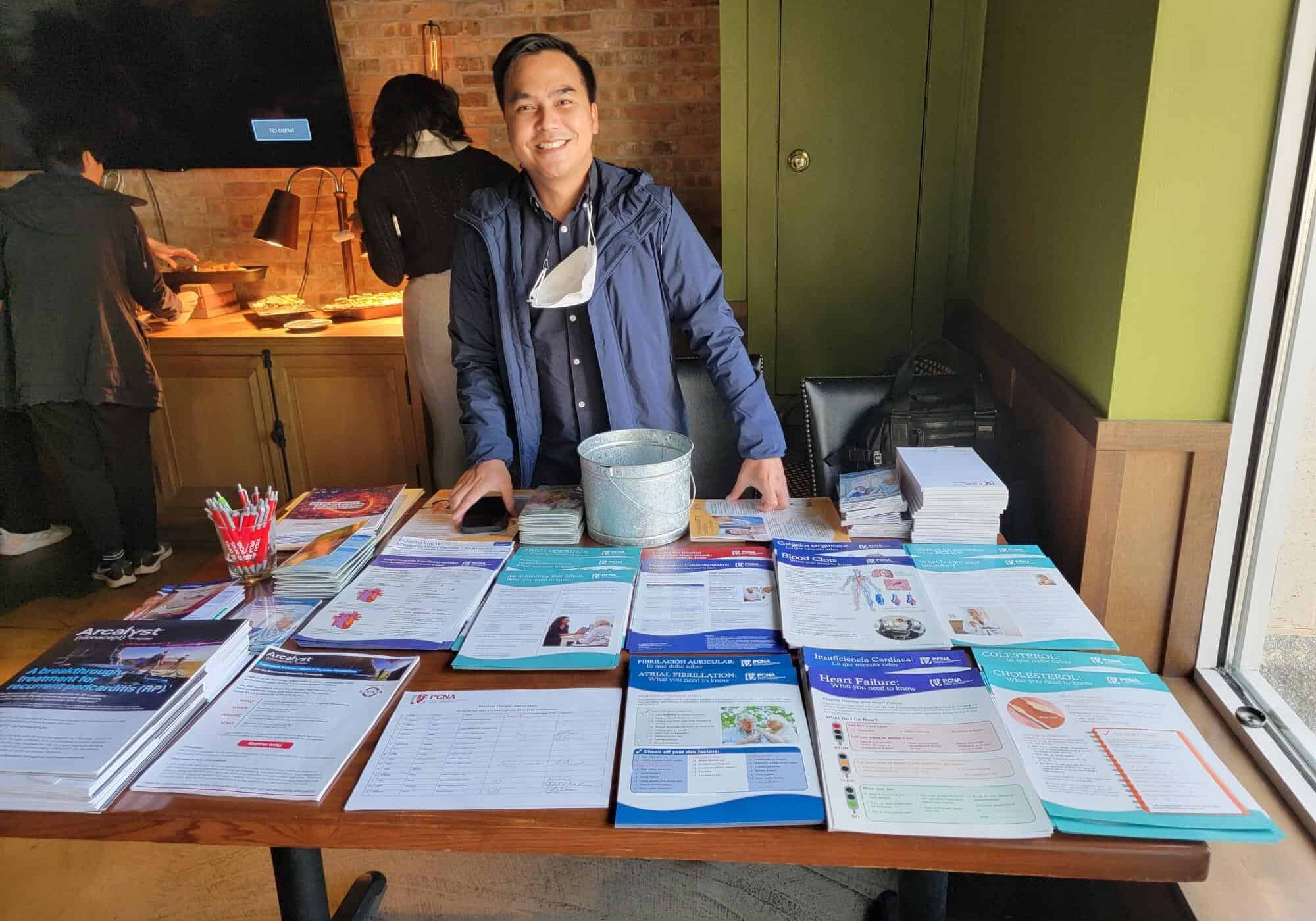
Our tools are available for downloading or ordering.
Patient Education
Our patient education tools and handouts are an important way to influence your patients' health.
Learn More
Provider Resources
Our provider tools are designed for cardiovascular nurses to use to improve their clinical practice.
Learn More
Continuing Education Made Simple
Continuing education resources to provide evidence-based care in the fast-changing world of cardiovascular nursing
Making the Link Between Diabetes and Cardiovascular Disease
Learn practical approaches for cardiovascular clinicians to incorporate the treatment of diabetic patients in cardiology practices. Stanford endocrinologist, Dr. Marilyn Tan reviews current clinical practice guidelines and prescribing recommendations for diabetic therapies that have proven CV outcomes. Then learn to apply these recommendations to cardiovascular patient case studies with nurse practitioner Cindy Lamendola.
Learn MoreInfluenza: Cardiovascular Risks and Considerations During the COVID-19 Pandemic
Learn why the flu vaccine is especially important for individuals with a history of atherosclerotic cardiovascular disease (ASCVD) and stroke, as well as the complications associated with influenza. We’ll also discuss vaccine adherence strategies in the era of Covid-19 and provide practical clinical takeaways you can apply as we head into flu season this year.
Learn MoreThe QT Interval: Too Hot, Too Cold, Just Right
Dr. Michael Ackerman, Director of the Long QT Syndrome Clinic at Mayo Clinic, discusses the importance of the QT Interval and the risk of sudden cardiac death. This course covers the pathophysiology of common causes of cardiac syncope and the evaluation and management of cardiac syncope with a focus on counseling patients to return…
Learn MoreSubscribe for Updates
Get the latest resources, articles, and publications.
Latest News
Keep up-to-date with the latest articles and news.
Keeping the Lantern Lit: The Role of Self-care in Preventing Burnout.
An anonymous author once shared that an empty lantern provides no light. A health care professional (HCP) that has experienced burnout is as ineffective as an empty lantern. HCPs experience job burnout at alarming rates, which significantly compromises patient safety and quality of care (Agency for Healthcare Research and Quality, 2017). The COVID-19 pandemic has…
Read MoreExercise During COVID-19: Safe Practices to Prevent Cardiovascular Complications
Epidemiological evidence suggests exercise offers preventive as well as therapeutic health-related benefits.1-4 Exercise prevents the development of obesity and cardiovascular-related diseases such as hypertension, type 2 diabetes, and thrombosis,1, 3-4 all of which can result in a worse prognosis in a coronavirus disease 2019 setting (COVID-19).5-7 Numerous studies have confirmed the risks for severe complications…
Read MoreNew Patient Tool: Statin Side Effects
Statins are the gold standard for managing dyslipidemia in patients with elevated cardiovascular risk. The benefits of statins in primary and secondary prevention is among the most studied in modern medicine. While their safety has been well documented, statin intolerance continues to be a major concern, resulting in non-adherence or discontinuation of therapy. An estimated 50% of patients with coronary…
Read MoreCardiovascular Nursing Symposium
PCNA’s Annual Cardiovascular Nursing Symposium is going virtual in 2021. We will continue our tradition of combining clinically relevant content with an intimate setting that allows you to return to your practice rejuvenated and energized.